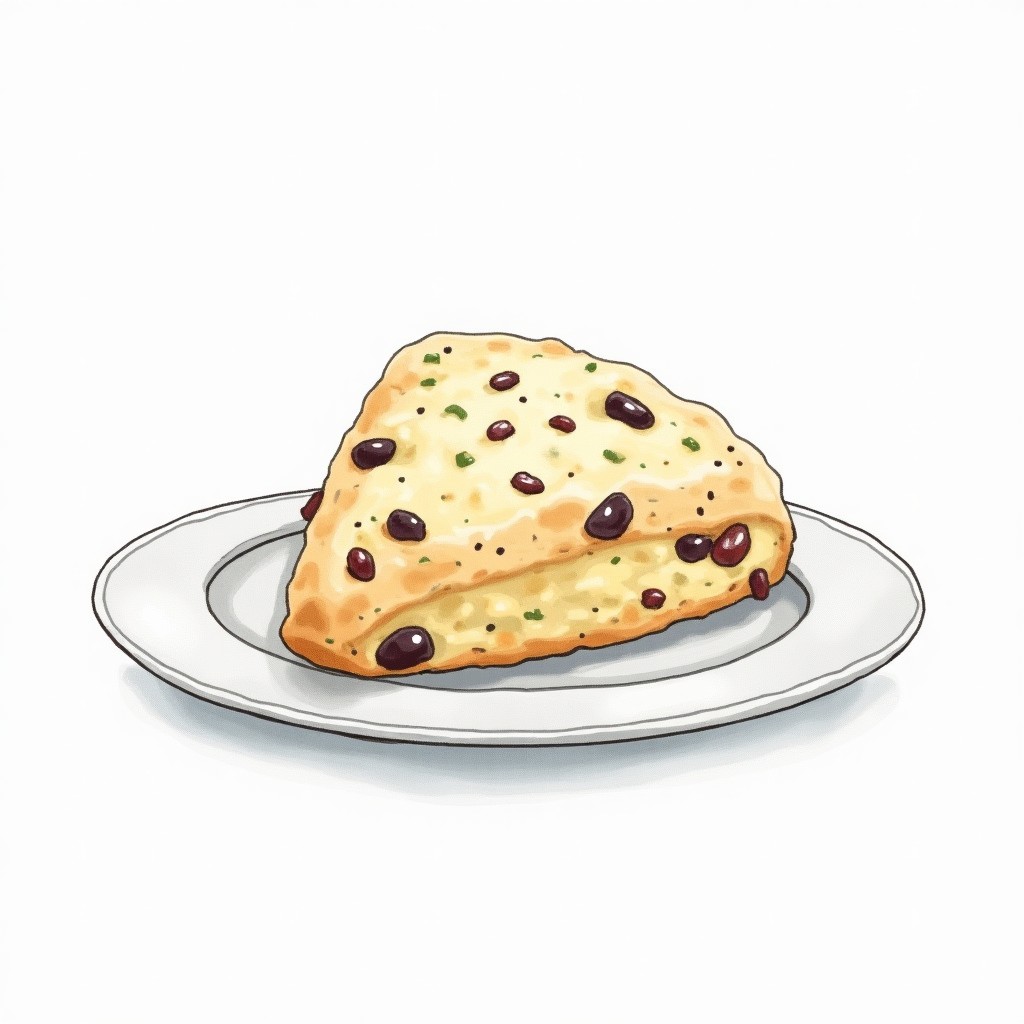
Traditional Irish Soda Scones
Rustic Irish Soda Scones — Buttermilk Gems with Old-World Charm
These scones capture everything wonderful about traditional Irish baking: simple ingredients that work together beautifully, a tender crumb with just enough structure, and that distinctive tangy bite from real buttermilk. They're ready in half an hour and taste like they came from a countryside bakery.
You'd be hard-pressed to find anything more straightforward than Irish soda scones — flour, buttermilk, and baking soda doing exactly what they're supposed to do. No complicated techniques, no overnight fermentation, just honest ingredients that have been feeding families across Ireland for generations. The beauty is in how they come together: the sharp tang of buttermilk activating the baking soda to create a tender rise, while cold butter melts into pockets of richness.
What sets these apart from their sweeter English cousins is their restraint. A touch of sugar balances the buttermilk's bite without masking it, and the dough stays just wet enough to hold together without becoming sticky. The result tastes like what it is — real food made with care, not a dessert masquerading as breakfast. They're equally at home split and slathered with butter for morning tea or tucked alongside a hearty stew when evening calls for something more substantial.
The key lies in treating the dough gently and keeping everything cold. Irish bakers knew that overworked dough meant tough scones, so they developed a light touch that modern bakers would do well to emulate. Mixed properly, these scones emerge from the oven with a golden crust that gives way to an interior that's both sturdy and tender — exactly what you want when you're spreading on jam or sopping up the last of your soup.
Nutrition
Ingredients
- 2 cupall-purpose flour, spooned and leveled
- 2 tbspgranulated sugar
- 1 tspbaking soda
- 1 tspfine salt
- 4 tbspcold unsalted butter, cut into small cubes
- ¾ cupcold buttermilk
- 1 largelarge egg, lightly beaten
- ½ cupcurrants or golden raisins(optional)
Instructions
- Heat your oven to 425°F and line a baking sheet with parchment paper. This high temperature creates the perfect balance between a golden exterior and fully cooked interior.
- Combine the flour, sugar, baking soda, and salt in a large mixing bowl, whisking them together until evenly distributed. The baking soda is what gives these scones their characteristic rise and slightly alkaline flavor that plays so well with the acidic buttermilk.
- Add the cold butter cubes to the flour mixture and work them in with a pastry cutter or your fingertips until the mixture looks like coarse breadcrumbs with some pea-sized butter pieces remaining. These butter bits create flaky layers as they melt in the oven.
- Scatter in the currants or raisins if you're using them, tossing gently to coat them with the flour mixture. This prevents them from sinking to the bottom during baking.
- Create a well in the center of your flour mixture and pour in the cold buttermilk and beaten egg all at once. The temperature contrast helps keep the dough tender.
- Using a fork, stir the mixture just until the dough comes together in shaggy pieces. Stop as soon as you don't see dry flour—overmixing develops the gluten and makes tough scones instead of tender ones.
- Turn the dough out onto a lightly floured surface and gently pat it into a circle about 8 inches across and roughly 3/4 inch thick. Handle it as little as possible—think of it as coaxing rather than kneading.
- Use a sharp knife to cut the dough into 8 equal wedges, wiping the blade clean between cuts. Clean cuts help the scones rise evenly rather than sealing the edges.
- Transfer the wedges to your prepared baking sheet, leaving about 2 inches between each piece to allow for expansion. They'll nearly double in size as they bake.
- Bake for 16-18 minutes, until the tops are golden brown and the scones sound hollow when tapped on the bottom. They should feel firm but still give slightly when pressed gently on top.⏱ 18 min
Tips & Tricks
- Keep your buttermilk cold until the moment you add it to the flour mixture — the temperature shock helps create a more tender crumb.
- Don't worry if your dough looks shaggy and uneven when you turn it out; that rustic texture is exactly what you want for authentic soda scones.
- Cut straight down with your knife rather than dragging it through the dough — clean cuts help the scones rise evenly instead of sealing the edges.
- If you don't have buttermilk, add 2 teaspoons of white vinegar to 3/4 cup regular milk and let it sit for 5 minutes before using.
- Day-old scones split beautifully and toast up crispy on the outside while staying soft within — perfect for a proper Irish breakfast.
Frequently Asked Questions
Can I make these without the currants or raisins?
Absolutely — the fruit is purely optional and many traditional versions skip it entirely. The scones are just as delicious plain, letting the buttermilk flavor shine through.
Why do my scones come out dense instead of light?
The most common culprit is overmixing the dough, which develops too much gluten. Mix just until the dough barely comes together, even if it looks rough — those shaggy bits will smooth out during baking.
How should I store leftover scones?
Wrap them in a clean kitchen towel and keep at room temperature for up to 2 days. For longer storage, freeze them wrapped in plastic for up to 3 months and thaw at room temperature.
Can I substitute regular milk for the buttermilk?
Regular milk won't give you the same tangy flavor or chemical reaction with the baking soda that makes these scones special. If you must substitute, use the vinegar trick mentioned in the tips section.