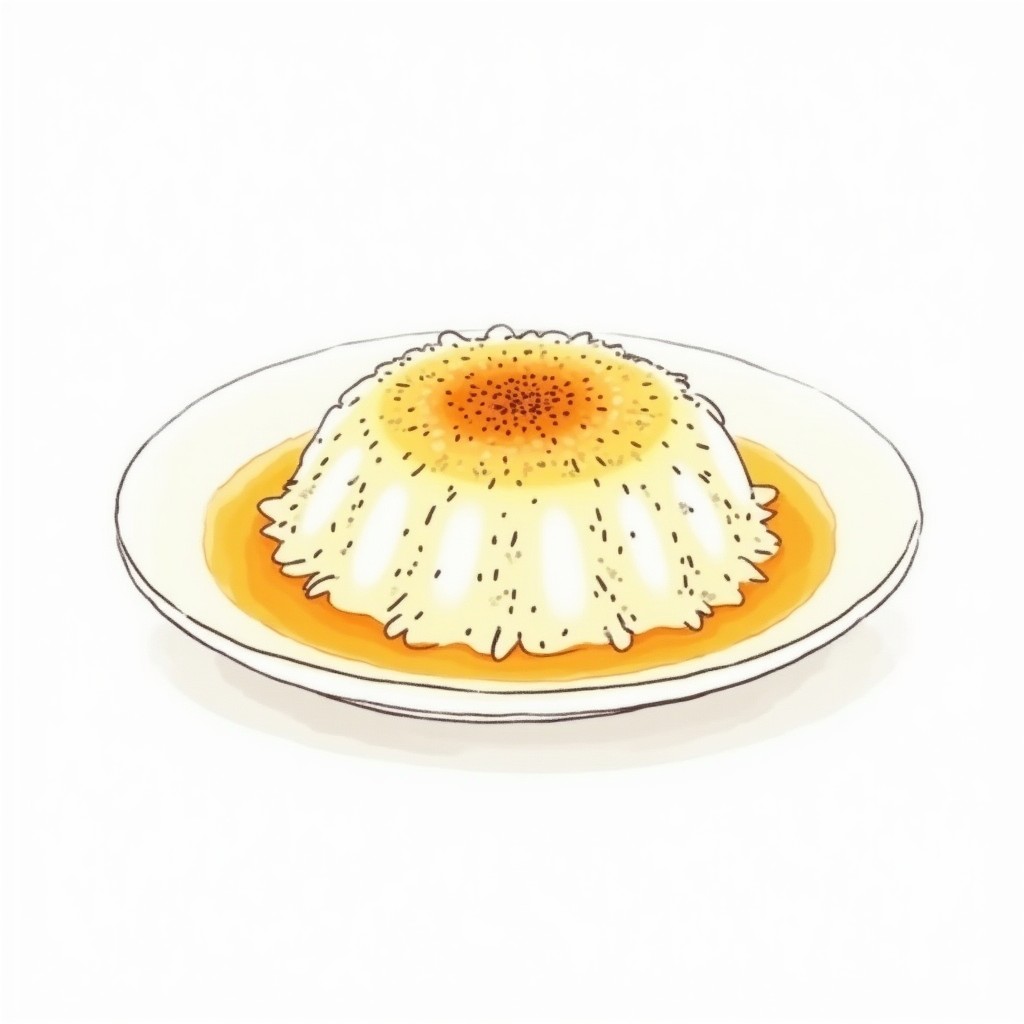
Traditional Arroz con Leche
Silky Spanish Arroz con Leche — The Rice Pudding That Knows How to Take Its Time
This isn't your average rice pudding — it's a study in patience and technique that transforms humble rice into something luxurious. The secret lies in the slow, gentle cooking that coaxes each grain to release its starch, creating a naturally creamy texture without any eggs or cream.
Rice pudding exists in countless forms across the world, but arroz con leche from Spain stands apart for its dedication to pure technique over shortcuts. There's no cornstarch thickener here, no eggs to worry about curdling — just rice, milk, and the kind of gentle patience that modern cooking often abandons.
The magic happens in the slow transformation of short-grain rice as it releases its natural starches. Each grain gradually swells and softens, creating a creamy matrix that binds the milk into something silky and luxurious. The cinnamon stick and lemon peel work quietly in the background, adding warmth and brightness without overwhelming the fundamental simplicity of the dish.
This is comfort food that doesn't apologize for taking time. Spanish grandmothers have been stirring pots of arroz con leche for generations, understanding that the frequent stirring isn't just busywork — it's what prevents sticking and ensures even cooking. The reward is a dessert that tastes like pure indulgence but contains nothing more complicated than what you'd find in any well-stocked pantry.
Nutrition
Ingredients
- 1 cupshort-grain white rice (Arborio or Bomba work beautifully)
- 4 cupwhole milk
- 1 cupwater
- ½ cupgranulated sugar
- 1 stickcinnamon stick (Ceylon if you can find it)
- 1 striplemon peel strip (wide peeler works best)
- ¼ tspsalt
- ground cinnamon for dusting(optional)
Instructions
- Drop the rice, water, cinnamon stick, lemon peel, and salt into a heavy-bottomed saucepan. The heavy bottom is crucial here — it prevents hot spots that could scorch the rice and ruin the whole batch.
- Crank the heat to medium-high and bring everything to a rolling boil, then immediately dial it back to low for a gentle simmer. Leave it uncovered so the liquid can reduce properly — this initial cooking softens the rice and concentrates the flavors.⏱ 10 min
- Pour in the milk and sugar, giving everything a thorough stir to dissolve the sugar completely. The mixture will look quite loose at this point, but trust the process — the rice will work its magic.
- Keep the heat at medium-low and stir frequently — every few minutes at first, then almost constantly toward the end. The rice gradually releases its starch, and you'll notice the mixture thickening and becoming glossy. When a spoon dragged across the bottom leaves a brief trail, you're there.⏱ 30 min
- Fish out the cinnamon stick and lemon peel with a spoon or tongs. They've done their job infusing the pudding with subtle warmth and brightness.
- Serve immediately while warm for comfort food vibes, or chill it for a few hours if you prefer it cold and set. Either way, a light dusting of ground cinnamon on top adds the perfect finishing touch.
Tips & Tricks
- Short-grain rice is essential here — long-grain varieties won't release enough starch to create the proper creamy texture.
- The pudding will continue to thicken as it cools, so don't cook it too far if you plan to serve it chilled.
- If your pudding gets too thick during cooking, whisk in a splash of warm milk to loosen it back up.
- Save the lemon peel strip by using a vegetable peeler to get just the yellow zest, avoiding the bitter white pith underneath.
- Leftover arroz con leche makes an excellent breakfast — just thin it with a little milk if it's gotten too thick in the fridge.
Frequently Asked Questions
Can I use a different type of milk?
Whole milk gives the best results because the fat content contributes to the creamy texture. You can use 2% milk in a pinch, but avoid skim milk — it won't create the same richness.
How do I know when the pudding is thick enough?
When you drag a spoon across the bottom of the pan, it should leave a clear trail that fills in slowly, taking about 2-3 seconds. Remember it will thicken more as it cools.
Can I make this ahead of time?
Absolutely — arroz con leche actually improves after a few hours in the fridge as the flavors meld. Just give it a gentle stir before serving and thin with milk if needed.
My rice pudding turned out lumpy — what went wrong?
This usually happens when the heat is too high or you're not stirring frequently enough. The rice can stick to the bottom and create clumps, so keep the heat gentle and stir more often.