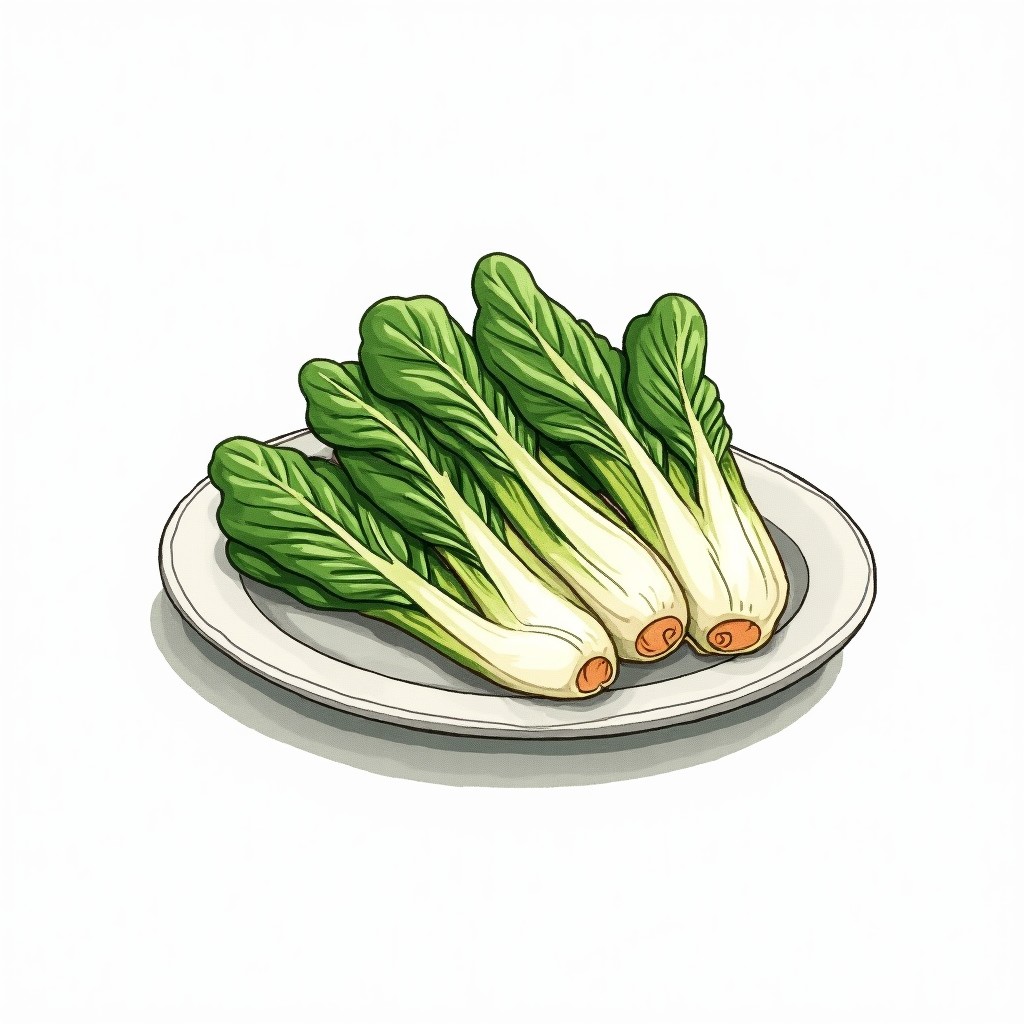
Thai-Style Bok Choy
Crispy-Tender Bok Choy in Thai Stir-Fry Sauce
Baby bok choy gets the full Thai treatment here — sweet, salty, and just spicy enough to keep things interesting. The key is building layers of flavor as you stir-fry, letting the sauce caramelize slightly between additions so each leaf gets properly coated.
There's something deeply satisfying about watching bok choy hit a hot pan — the way the leaves instantly brighten to emerald while the stems sizzle and start to caramelize at the edges. This Thai-inspired stir-fry captures that perfect moment when tender meets crispy, coating each leaf in a sauce that balances sweet brown sugar against the umami depth of fish sauce and oyster sauce.
The technique here matters more than you might expect. Instead of dumping everything in at once, you build the flavors gradually, letting each addition of sauce reduce and concentrate before adding more. This creates those glossy, caramelized bits that cling to the bok choy rather than pooling at the bottom of the pan. The result is vegetables that taste intensely of themselves, enhanced rather than masked by the sauce.
Bok choy responds beautifully to this high-heat, fast-cooking method. The thick white stems need just enough time to soften while the delicate green leaves wilt without becoming soggy. Get your pan properly hot before you start, and trust the process — those first few seconds of aggressive searing are what separate restaurant-quality stir-fry from the steamed vegetables that happen when the heat isn't quite right.
Ingredients
- 4 headbaby bok choy heads, trimmed
- 1 tbspcoconut oil
Stir-Fry Sauce
- 3 clovegarlic cloves, minced fine
- 2 tbspoyster sauce
- 2 tbspsoy sauce
- 2 tbspfish sauce
- 2 tbspsweet chili sauce
- 2 tbspbrown sugar, packed
Instructions
- Trim the bottom inch from each bok choy head to release the individual leaves. For any particularly thick white stems, slice them lengthwise so they'll cook at the same rate as the tender green parts.
- Whisk together the garlic, oyster sauce, soy sauce, fish sauce, sweet chili sauce, and brown sugar in a bowl. Keep stirring until the sugar completely dissolves — you want a smooth, glossy sauce with no gritty bits.
- Get your wok or largest pan screaming hot over medium-high to high heat. Add the coconut oil and swirl it around to coat the surface. The oil should shimmer and move freely when the pan is properly heated.
- Toss in the bok choy along with 2-3 tablespoons of the sauce. Stir-fry vigorously for 1-2 minutes until the liquid starts to evaporate and the pan looks almost dry. This initial searing creates those coveted crispy edges.⏱ 1 min 30 sec
- Keep the heat high and gradually add more sauce, a splash at a time, while continuously stir-frying. The leaves should turn brilliant green and the stems should feel tender-crisp when pierced with a knife. This gradual sauce addition prevents steaming and builds better flavor.
- Give it a taste and make adjustments. If it's too tangy, sprinkle in a pinch more brown sugar. Too salty? A squeeze of lime juice balances things out. Want more heat? A dash of chili flakes does the trick.
- Slide the bok choy onto your serving platter, then drizzle any remaining sauce from the pan over the top. Serve right away while the stems still have that perfect snap and the leaves are vibrant green.
Tips & Tricks
- Cut through thick bok choy stems lengthwise so they cook evenly with the tender leaves — uneven pieces mean some parts will be mushy while others stay too firm.
- Mix your sauce completely before you start cooking; once the stir-fry begins, you won't have time to dissolve sugar or whisk ingredients.
- Add sauce gradually rather than all at once to prevent steaming and build better caramelization on the vegetables.
- The pan should be hot enough that water droplets dance and evaporate immediately when flicked onto the surface.
- Taste and adjust at the end — a squeeze of lime brightens overly salty results, while a pinch more brown sugar tames excess tanginess.
Frequently Asked Questions
Can I use regular bok choy instead of baby bok choy?
Absolutely — just cut large bok choy into 2-inch pieces, separating the white stems from the green leaves. Add the stems to the pan first, then the leaves about a minute later since they need different cooking times.
What can I substitute for fish sauce?
Use an additional tablespoon of soy sauce plus a pinch of salt, though you'll lose some of the sauce's complexity. For vegetarian versions, try mushroom sauce or extra oyster sauce if it's vegetarian-friendly.
Can I make this ahead of time?
This dish is best served immediately while the stems are still crisp and the leaves bright green. Reheated bok choy becomes soft and loses its appealing texture contrast.
Why did my bok choy turn out watery?
Either the pan wasn't hot enough or you added too much sauce at once. High heat evaporates excess moisture quickly, while gradual sauce additions prevent the vegetables from steaming in liquid.
How spicy is this dish?
It's quite mild — the sweet chili sauce adds more sweetness than heat. For more spice, add fresh sliced chilies with the garlic or finish with chili flakes to taste.