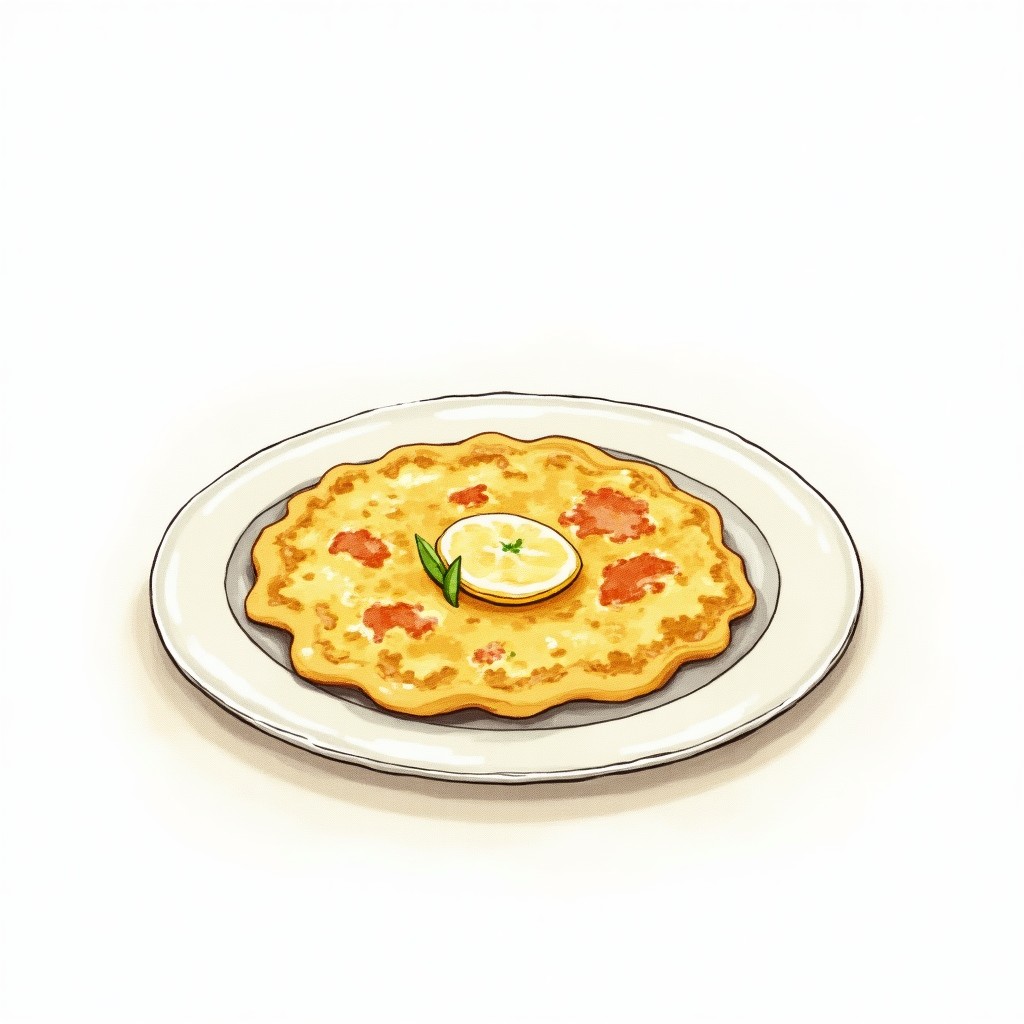
Spanish Potato Tortilla
Classic Spanish Tortilla with Golden Potatoes
This thick, custardy omelet is Spain's answer to comfort food — tender potato slices suspended in silky eggs, cooked low and slow until just set. It's equally good warm from the pan or at room temperature hours later, making it perfect for any time of day.
Most Spanish tortillas are about timing and patience, not complexity. The thick, golden rounds you see in Madrid tapas bars aren't flashy — they're the result of understanding that eggs and potatoes, when treated right, become something much greater than their parts. This isn't scrambled eggs with potatoes thrown in; it's a careful balance where tender potato slices are suspended in just-set custard, creating layers of texture that shift with each bite.
The secret lies in that initial poaching step. Instead of frying the potatoes until crispy, you're essentially confiting them in olive oil, cooking them so gently that they stay creamy and almost buttery. When those warm, oil-kissed potatoes meet the beaten eggs, they begin a slow transformation that continues as the tortilla cooks. The result is something that holds its shape when cut but yields immediately to your fork.
Spanish cooks eat tortilla at room temperature as often as they do hot, which tells you everything about its versatility. Pack it for lunch, serve it for dinner with a simple salad, or cut it into small squares for your next party. It improves as it sits, the flavors melding and the texture settling into that perfect balance between firm and creamy that makes this dish a national treasure.
Nutrition
Ingredients
- 2 lbYukon Gold potatoes, peeled and sliced 1/8-inch thick
- 1 largelarge yellow onion, thinly sliced
- 1 cupextra virgin olive oil
- 6 largelarge eggs, room temperature preferred
- 1 tspfine sea salt
Instructions
- Pour the olive oil into a 10-inch non-stick skillet and set it over medium heat until the oil warms through but doesn't smoke. You need enough oil to gently poach the potatoes, not fry them aggressively.⏱ 2 min
- Slide the potato slices and onion into the warm oil — they should barely bubble. Cook them gently, stirring occasionally, until the potatoes yield easily to a fork but haven't taken on any color. This slow poaching is what gives tortilla its creamy texture.⏱ 15 min
- Crack the eggs into a large bowl and whisk with the salt until well combined. The mixture should be smooth and pale yellow with no streaks of white remaining.
- Strain the potatoes and onions through a fine mesh sieve, catching the oil in a bowl below — you'll need some of it later. Gently fold the still-warm vegetables into the beaten eggs, being careful not to break up the potato slices too much.
- Let the egg and potato mixture sit undisturbed while the flavors meld and the potatoes absorb some of the egg. This resting time helps everything bind together properly.⏱ 10 min
- Wipe out the skillet and add 2 tablespoons of the reserved oil. Heat it over medium-high heat until it shimmers — you want good heat to set the bottom quickly.⏱ 1 min
- Pour the egg mixture into the hot skillet and give it a gentle shake to spread everything evenly. Let it cook without stirring until you can see the edges beginning to set and pull away slightly from the sides.⏱ 3 min
- Here's the moment of truth: place a large plate face-down over the skillet, then quickly but confidently flip the whole thing so the tortilla lands on the plate. Slide it back into the pan with the uncooked side now facing down.
- Continue cooking until the bottom develops a golden crust and the center feels just barely set when you press it gently. It should still have a slight jiggle — it will finish cooking from residual heat.⏱ 4 min
- Slide the finished tortilla onto a clean serving plate and resist the urge to cut into it immediately. Those few minutes of resting help it hold together when you slice it into wedges.⏱ 5 min
Tips & Tricks
- Use a mandoline or very sharp knife to get consistent 1/8-inch potato slices — uneven pieces cook at different rates and can leave you with mushy spots alongside undercooked chunks.
- Don't skip the resting period after mixing the eggs and potatoes; those few minutes let the potatoes absorb some egg mixture, which helps bind everything together and prevents the tortilla from falling apart.
- The flip is easier than it looks if you commit to it fully — hesitation is what causes disasters, so place that plate firmly and flip with confidence in one smooth motion.
- A slightly underdone center is better than overdone; the tortilla continues cooking from residual heat even after you remove it from the pan, and you want that creamy, custard-like texture.
- Save the strained olive oil for other cooking — it's now infused with potato and onion flavor and perfect for roasting vegetables or making vinaigrettes.
Frequently Asked Questions
Can I make this ahead of time?
Absolutely — tortilla is actually better after it sits for a few hours or even overnight in the refrigerator. The flavors develop and the texture becomes more cohesive. Bring it to room temperature before serving, or warm it gently in a low oven.
What if I don't have a 10-inch non-stick pan?
You can use a well-seasoned cast iron or carbon steel pan, just make sure it's thoroughly heated and add a bit extra oil. The pan size matters more than the material — too large and your tortilla will be thin, too small and it won't cook evenly.
Can I add other vegetables besides onion?
Red bell peppers are a common addition, but add them with the onions and cook until soft. Avoid watery vegetables like tomatoes or zucchini, which can make the tortilla soggy and prevent it from setting properly.
Why did my tortilla fall apart when I tried to flip it?
Usually this means the eggs weren't set enough on the bottom before flipping. Let it cook a bit longer until you can see the edges pulling away from the pan and the center looks less liquid when you gently shake the skillet.
Can I use less olive oil?
The generous amount of oil is essential for properly poaching the potatoes — with less oil, they'll fry instead of getting that creamy texture that makes tortilla special. You'll strain out most of it anyway, and the leftover oil is delicious for other cooking.