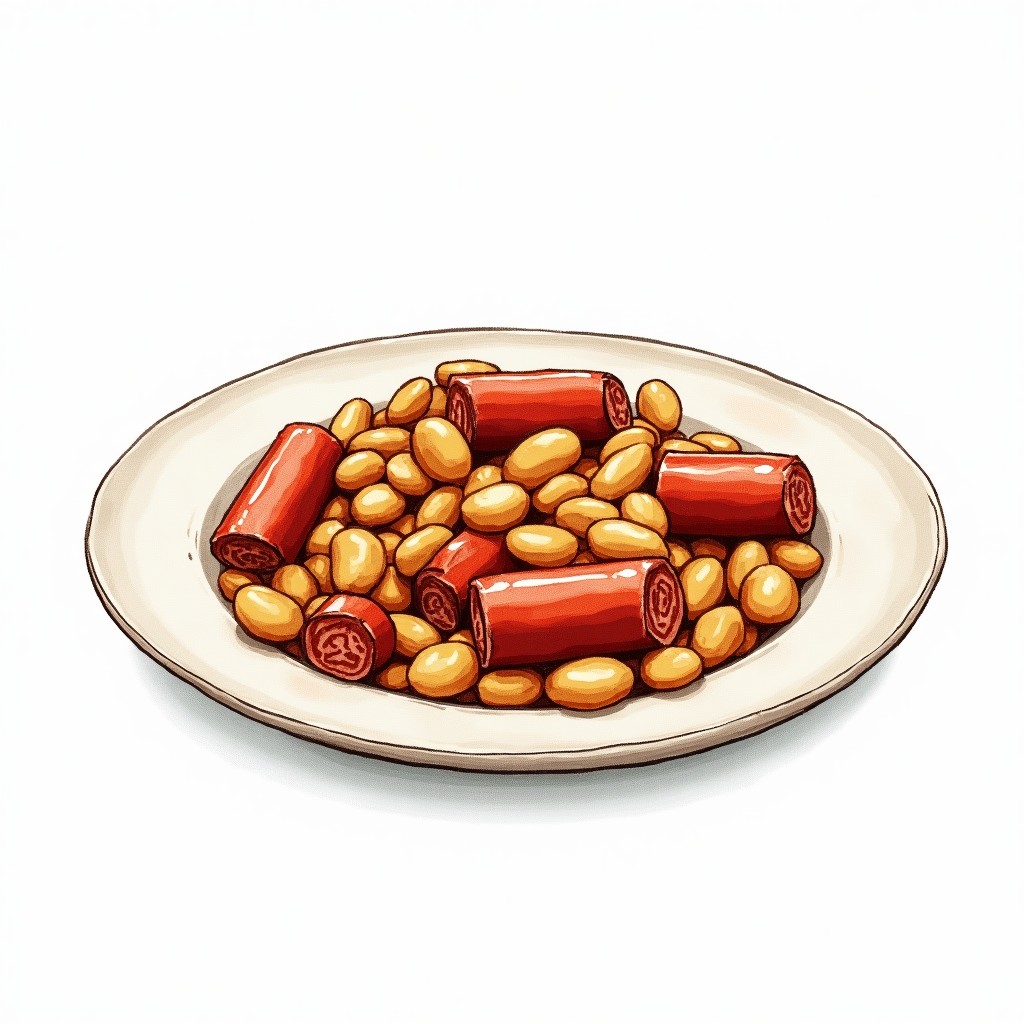
Spanish Fabada Asturiana
Rich Asturian Fabada — Spain's Ultimate Bean Stew Worth Every Patient Hour
From the misty mountains of Asturias comes this legendary bean stew that turns simple ingredients into pure comfort gold. The magic happens when creamy faba beans meld with smoky chorizo, earthy blood sausage, and tender pork through hours of gentle simmering. Every spoonful delivers the soul of northern Spain.
Every Asturian grandmother has earned her reputation through fabada, the region's most celebrated dish that separates patient cooks from the merely ambitious. This isn't a recipe you rush through on a Tuesday night — it's a weekend project that rewards your time with layers of flavor that only develop through slow, careful cooking.
The secret lies in understanding that fabada is as much about technique as ingredients. Those plump faba beans need hours to transform from tough legumes into creamy vessels that absorb the smoky essence of chorizo and the earthy depth of morcilla. The pork shoulder breaks down into tender shreds, while saffron threads bloom into golden threads that perfume the entire pot.
Asturians take this dish seriously enough to have protected designation laws governing authentic versions, but the home cook's version can be just as soul-satisfying. What matters is respecting the process — keeping that simmer gentle, stirring with purpose, and tasting as you go. The reward is a stew that captures the essence of Spain's rugged northern coast in every spoonful.
Nutrition
Ingredients
- 1 lbdried faba beans or large lima beans, soaked overnight
- 8 ozpork shoulder, cut into 2-inch chunks
- 4 ozSpanish chorizo, sliced into thick rounds
- 4 ozmorcilla or blood sausage, sliced thick
- 1 mediummedium onion, finely diced
- 4 clovegarlic cloves, minced
- 1 tspsweet paprika (pimentón dulce preferred)
- 1 pinchsaffron threads, lightly crushed
- 2 tbspextra-virgin olive oil
- salt and freshly ground black pepper
Instructions
- Drain your soaked beans and transfer them to a large pot. Cover with cold water by about 2 inches — the beans will absorb plenty as they cook and you don't want them going dry.
- Bring the beans to a rolling boil, then dial the heat back to maintain a steady simmer. Cook until the beans are tender but still hold their shape — they should give way easily when pressed with a fork but not turn to mush.⏱ 45 min
- In a separate heavy-bottomed pot, heat the olive oil over medium heat until shimmering. Add the pork chunks and brown them thoroughly on all sides — this creates the foundational flavor layer for your stew.⏱ 8 min
- Toss the diced onion and minced garlic into the pot with the pork. Cook until the onion turns translucent and everything smells aromatic — this base will carry the entire dish.⏱ 5 min
- Sprinkle in the paprika and crushed saffron, stirring constantly so they release their fragrance without burning. Thirty seconds is plenty — you'll smell the difference immediately.⏱ 30 sec
- Add your cooked beans along with all their cooking liquid to the pot, followed by the chorizo and morcilla slices. The bean liquid is pure gold — it's where much of the stew's richness comes from.
- Check your liquid level — ingredients should be barely covered. Add hot water if needed, then bring everything to a gentle simmer. You want just tiny bubbles breaking the surface, not a vigorous boil.
- Cover the pot and let the stew simmer lazily over low heat, stirring every 15-20 minutes and adding hot water as needed. The beans will break down slightly and thicken the liquid into something luxurious.⏱ 1 hr 30 min
- Taste and season with salt and pepper — the chorizo and morcilla add plenty of flavor, so go easy at first. Let the fabada rest off the heat to allow the flavors to settle and the stew to thicken further.⏱ 10 min
Tips & Tricks
- Test your beans for doneness by pressing one against the side of the pot with a wooden spoon — it should give way easily but still hold its shape, not turn to mush.
- Keep a kettle of hot water nearby throughout cooking to maintain liquid levels without shocking the stew with cold water.
- The stew will thicken significantly as it cools, so don't worry if it seems a bit soupy while hot — that's exactly what you want.
- Save some of the plain bean cooking liquid before adding other ingredients — it makes an excellent base for future soups and stews.
- If you can't find morcilla, substitute with a good-quality blood sausage or even Italian sanguinaccio, though the flavor will shift slightly.
Frequently Asked Questions
Can I use canned beans instead of dried?
You can, but you'll miss the starch-rich cooking liquid that makes authentic fabada so creamy. If using canned, drain them but reserve the liquid, and reduce your total cooking time to about 45 minutes.
What's the best substitute for faba beans?
Large lima beans are the closest match in size and creaminess. White navy beans work too but will break down more, giving you a thicker, less traditional texture.
How do I know when the fabada is properly done?
The beans should be completely tender, the pork should shred easily with a fork, and the liquid should coat a spoon lightly. The stew will look creamy rather than watery, with some beans naturally breaking down to thicken the base.
Can I make this ahead or freeze it?
Fabada actually improves after a day in the refrigerator as flavors meld. It freezes well for up to three months, though you may need to add a splash of water when reheating as the beans will absorb more liquid.