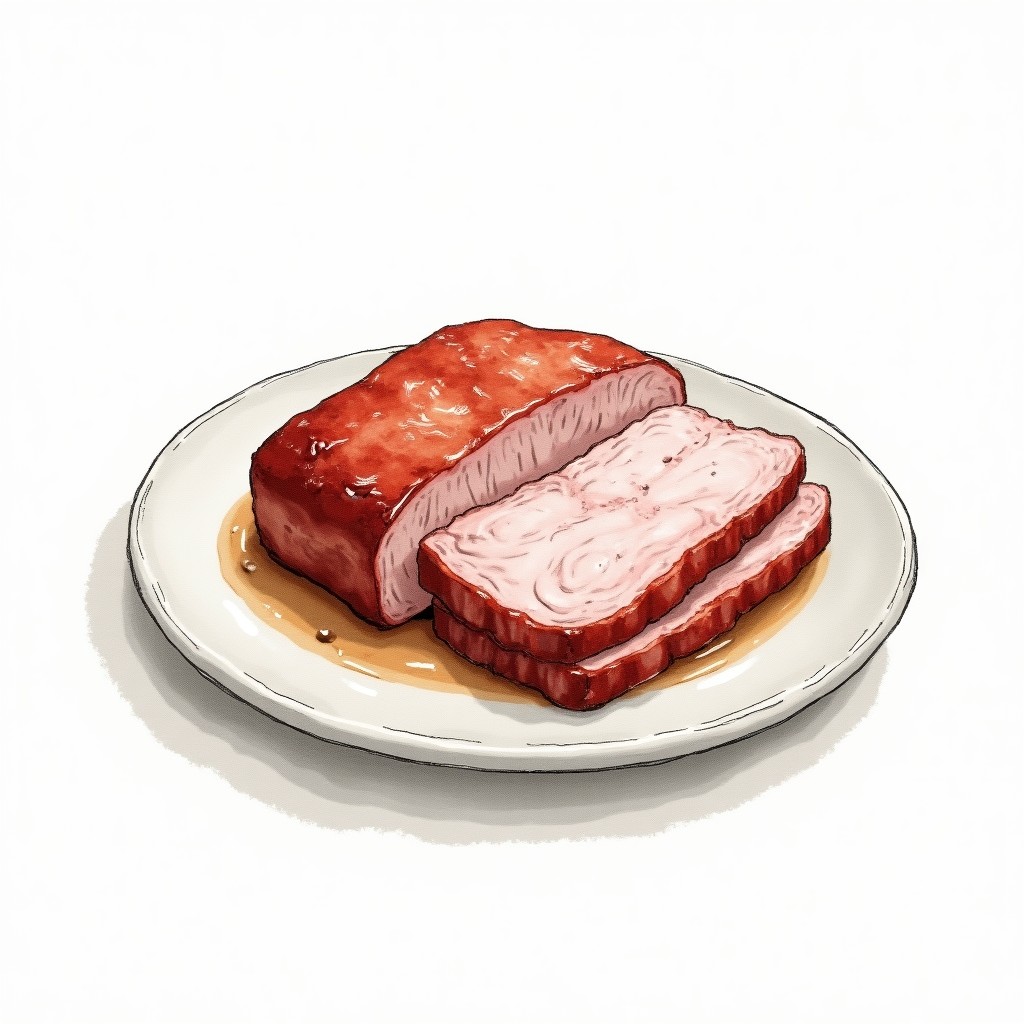
Smoked Pork Butt
Pit Master's Pork Butt with Perfect Bark and Tender Shred
True barbecue happens when smoke, time, and patience converge. This pork shoulder spends nearly half a day in the smoker, developing a mahogany bark while the interior transforms into pull-apart perfection. The technique here mirrors what you'd find in championship barbecue joints — low heat, strategic spritzing, and the crucial foil wrap that pushes the meat past its final temperature plateau.
Championship pitmasters will tell you that real barbecue happens in your sleep — literally. While you're dreaming, sugar breaks down into smoke rings, collagen transforms into gelatin, and a tough shoulder becomes tender enough to shred with a fork. This isn't weekend grilling; it's a commitment that starts before dawn and rewards you with meat so good it needs nothing more than a slice of white bread underneath.
The technique here comes straight from competition circuits, where pork butt reigns as the most forgiving cut for beginners yet challenging enough to separate the serious from the casual. That overnight timeline isn't negotiable — the low heat works slowly to render fat and break down connective tissue while smoke penetrates deep into the meat. The Texas Crutch wrap around hour eight pushes you through the dreaded stall, where internal temperature plateaus while moisture evaporates.
What sets this apart from backyard barbecue is the attention to bark development. That mahogany crust isn't just for looks — it's concentrated flavor created by the Maillard reaction between proteins and sugars under steady heat and smoke. The simple three-ingredient rub lets the pork speak for itself, while strategic spritzing keeps everything moist without washing away your seasoning. By the time you unwrap that foil, you'll have meat that pulls apart in perfect strands, glistening with its own rendered juices.
Ingredients
Meat
- 8 lbbone-in pork butt (Boston butt), skin removed
- 2 tbspgrapeseed oil (for lighting)
For the rub
- ¼ cupkosher salt
- ¼ cupcoarse black pepper, 16-mesh grind
- paprika
For the slather
- yellow mustard or hot sauce (for binding)
For the spritz
- water, beer, or apple cider vinegar (for spritzing)
Instructions
- Combine the salt, black pepper, and paprika in a large shaker or bowl, mixing thoroughly. This three-ingredient rub is barbecue fundamentals — salt for penetration, pepper for heat, paprika for color and mild smoke complement.
- Transfer your mustard or hot sauce into a squeeze bottle for easy application. The slather isn't for flavor — it's the glue that helps your rub stick and creates better bark formation.
- Fill a spray bottle with your chosen liquid. Water works fine, but beer adds subtle malty notes and vinegar brings acidity that balances the rich pork fat.
- Map out your timeline before you start — you'll need a full hour for prep, ten hours of active smoking, plus an hour of resting. Start early; this isn't a dish you can rush.
- Arrange your smoking wood in a log cabin or basket weave pattern, stacking 2-3 layers high. This structure allows proper airflow while providing steady fuel for your long cook.
- Light the fire using oil-soaked butcher paper as starter. You're aiming for clean, thin blue smoke at a steady 270°F — thick white smoke will make your pork bitter, so adjust your vents until the smoke runs clear.
- Set a water pan filled with warm water inside your smoker. This creates humidity that prevents the exterior from drying out during the long cook and helps maintain consistent temperature.
- Coat the pork butt evenly with your slather, then season aggressively with the rub mixture, covering every surface. Save the fat cap for last and really work the seasoning into those crevices.
- Let the seasoned pork rest at room temperature while your smoker stabilizes. This gives the salt time to start its work and ensures more even cooking from the start.⏱ 35 min
- Place the pork butt fat-side up in your 270°F smoker and resist all urges to peek. Every time you open the lid, you're adding 15-20 minutes to your cook time.⏱ 3 hrs
- Give the pork a thorough spritz with your liquid, then continue cooking at steady 270°F. Spritz every hour from this point — it keeps the surface moist and helps build that coveted bark.⏱ 5 hrs
- Watch for the moment when the bark begins to crack and split along the fat cap — this usually happens around the 8-hour mark and signals it's time to wrap. The meat has absorbed all the smoke it can.
- Lay two sheets of heavy-duty foil with generous overlap. Center the pork butt, give it one final spritz, then wrap tightly — you want to trap all the steam and juices that will finish the cooking process.
- Return the wrapped pork to your smoker and continue cooking at 270°F. The foil wrap, known as the Texas Crutch, will push the meat through the temperature stall and speed up the final stretch.⏱ 1 hr
- Bump your smoker temperature up to 295°F for the final push. This higher heat helps finish the interior breakdown without overcooking the outside.⏱ 1 hr
- Check that your internal temperature hits 200°F, but more importantly, the meat should feel soft and jiggly when you press it through the foil. Let it rest wrapped for the full hour — this redistributes the juices throughout.⏱ 1 hr
- Unwrap carefully, saving every drop of those concentrated juices. Pour them back over the meat, then shred using your hands or tongs — the bone should slide out cleanly, and the meat should fall apart with minimal effort.
Tips & Tricks
- Start your fire with seasoned hardwood only — green or freshly cut wood produces harsh, bitter smoke that will ruin ten hours of work.
- The internal temperature matters less than the feel test; properly cooked pork butt should jiggle like jello when you press the foil wrap.
- Save those concentrated juices from the foil wrap and mix them back into your shredded pork for extra moisture and flavor.
- If your smoker runs hot, drop the temperature to 250°F rather than risk drying out the exterior before the interior finishes.
- Leftover pulled pork freezes beautifully for up to three months — portion it with some of those saved juices before freezing.
Frequently Asked Questions
Can I use a pellet grill instead of a traditional smoker?
Absolutely — pellet grills excel at maintaining steady temperatures for long cooks like this. Set it to 270°F and follow the same timeline, though you might finish 30-60 minutes faster due to more consistent heat.
What if I don't have time for the full 10-hour cook?
You can wrap earlier around hour 6 to speed things up, or start with a smaller 5-6 pound shoulder that will finish in 7-8 hours. Don't try to raise the temperature significantly — you'll dry out the exterior.
How do I know when the bark is properly set before wrapping?
Look for a dark mahogany color and surface that feels firm to the touch, with visible cracks starting to form along the fat cap. The bark should no longer feel tacky when you press it lightly.
Can I cook this without the foil wrap?
You can, but expect the cook to take 12-14 hours and potentially result in drier meat. The foil wrap speeds up cooking and ensures the interior stays moist during those final crucial hours.