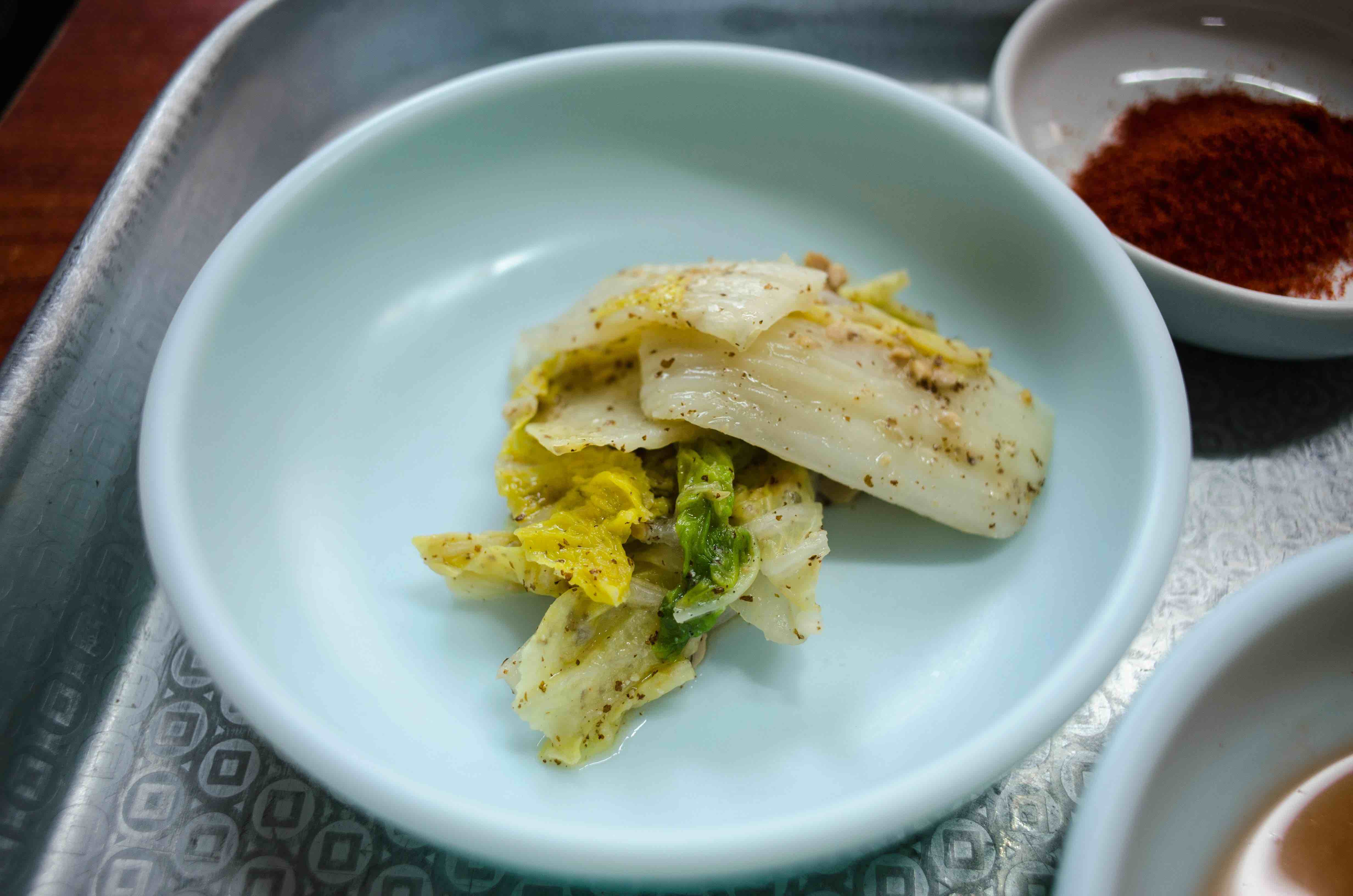
Quick Green Cabbage Kimchi
Fresh Green Cabbage Kimchi
This quick fermentation method skips the traditional weeks-long wait without sacrificing that signature tangy bite. Salt-wilted cabbage mingles with a punchy yangnyum paste that deepens into complex, funky flavors in just two days.
Green cabbage kimchi breaks all the rules traditionalists hold dear, yet somehow captures everything that makes the real thing irresistible. While purists might raise an eyebrow at skipping napa cabbage or rushing the fermentation, this version delivers the same addictive tang and crunch that keeps you reaching back into the jar.
The secret lies in understanding what kimchi actually is beneath all the ritual — salt-wilted vegetables bathed in a fiery, funky paste that transforms humble ingredients into something transcendent. Green cabbage holds its texture beautifully against the aggressive salting, while the quick two-day fermentation develops just enough sourness to satisfy that probiotic craving without the month-long commitment.
This yangnyum paste does the heavy lifting, building layers of heat, umami, and sweetness that penetrate every shred of cabbage. Fish sauce provides the essential funk that separates authentic kimchi from spicy pickled vegetables, while the careful balance of fresh and dried chilies creates heat that builds rather than burns.
Ingredients
- 1 headgreen cabbage
- 2 green onions
- 3 ozKorean chives(optional)
- 4 tbspsea salt
- 3 cupwater
Yangnyum
- 2 fresh red chili peppers
- 2 ozgarlic, peeled
- ½ tspfresh ginger, chopped
- ½ onion
- 4 tbspfish sauce
- 1 tbspsugar
- 2 tbspdried red chili powder
Instructions
- Halve the cabbage and remove the tough core, then chop into 1-1.5 inch pieces. Rinse in cold water and drain thoroughly — excess water will dilute the brine.
- Dissolve 3 Tbsp salt in 3 cups water, stirring until completely clear. Place cabbage in a large bowl, pour the salt water over it, then sprinkle the remaining 1 Tbsp salt directly on top.
- Let the cabbage brine for 1 hour, tossing every 20 minutes to ensure even salting. The cabbage will release its water and start to wilt.⏱ 1 hr
- Meanwhile, mince the garlic, onion, red pepper, and ginger as finely as possible. Combine with sugar, chili powder, and fish sauce, stirring into a thick paste. This yangnyum will coat every piece of cabbage.
- Chop green onions and chives into 2-inch lengths. Keep them separate from the yangnyum for now — they'll add fresh crunch to the finished kimchi.
- Test the cabbage by bending a piece — it should feel flexible, not rigid. Rinse thoroughly under cold water and drain completely. Press gently to remove excess moisture.
- Wear gloves and combine the drained cabbage with yangnyum, green onions, and chives. Mix thoroughly, massaging the paste into every piece until evenly coated and bright red.
- Taste a piece and adjust — add more fish sauce for saltiness or chili powder for heat. The flavor should be bold since fermentation will mellow it slightly.
- Pack tightly into a clean container, pressing down to eliminate air pockets. Ferment at room temperature for 2 days, then refrigerate for several days for deeper flavor development.⏱ 48 hrs
Tips & Tricks
- Press the wilted cabbage gently after rinsing — too much pressure crushes the structure, but you need to remove excess water or your kimchi will be watery.
- Mince the yangnyum ingredients as finely as possible; large chunks won't distribute evenly and create pockets of overwhelming heat or garlic.
- Wear gloves during the mixing stage — the chili oils will stay on your hands for hours and burn if you touch your eyes.
- Pack the kimchi tightly in the container to minimize air exposure, which can lead to surface mold during fermentation.
- Taste after one day of fermentation and adjust the timing based on your preference — warmer kitchens ferment faster.
Frequently Asked Questions
Can I use regular chili powder instead of Korean chili powder?
Korean chili powder (gochugaru) has a specific fruity heat and texture that's hard to replicate. Regular chili powder will work but use half the amount as it's typically hotter and more concentrated.
How do I know when the fermentation is done?
After 2 days at room temperature, the kimchi should smell tangy and taste slightly sour. If it's not sour enough for your liking, leave it another day before refrigerating.
What can I substitute for fish sauce?
Soy sauce works but won't give the same funky depth. Use 2 tablespoons soy sauce plus 1 teaspoon salt, or try fermented shrimp paste if you can find it.
How long does this keep in the refrigerator?
Properly stored kimchi continues to ferment slowly in the fridge and stays good for 3-4 weeks. The flavor will become more sour and complex over time.
Can I make this without the Korean chives?
Yes, the chives are optional. You can substitute regular chives, scallion greens, or just use extra green onions for similar fresh crunch.