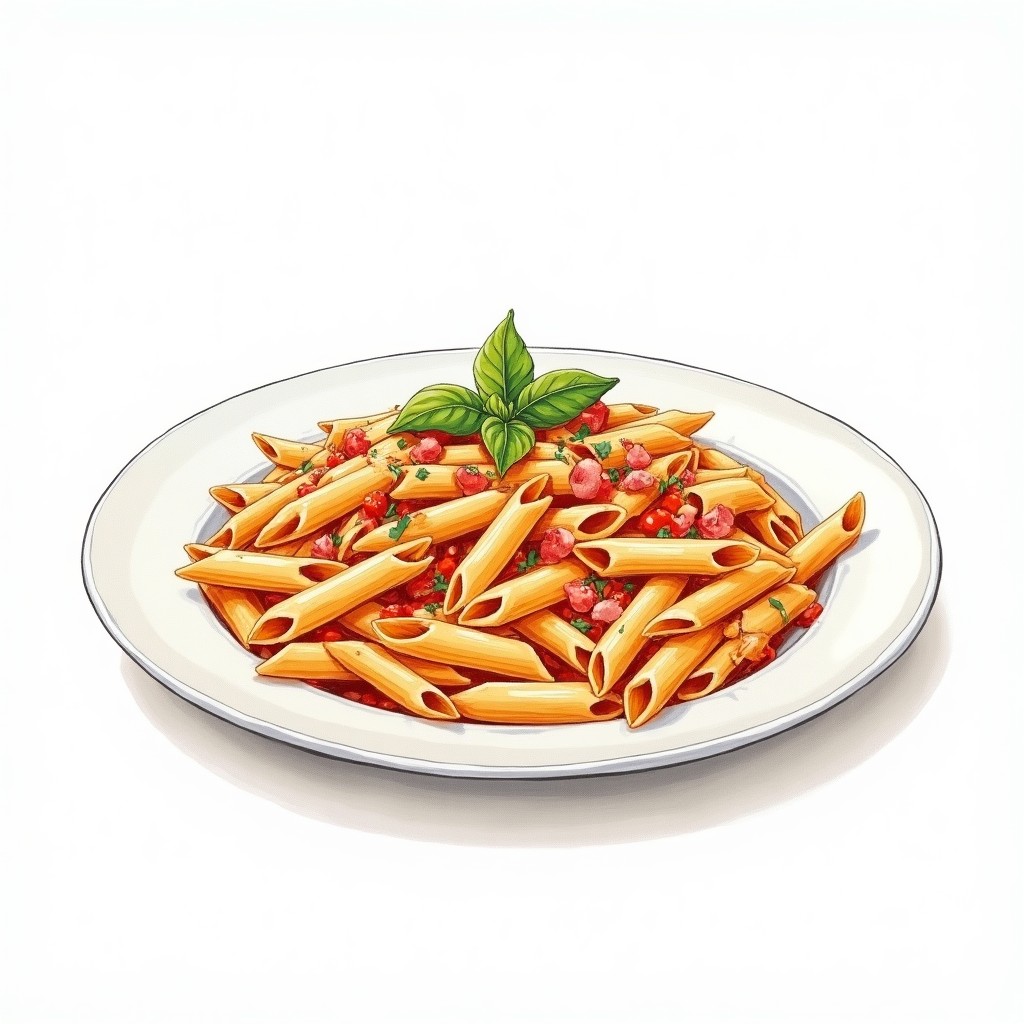
Penne alla Vodka
Penne alla Vodka — Rich Tomato Cream Sauce with Crispy Pancetta
The vodka isn't just for show here — it actually pulls flavors from the tomatoes that water and wine can't touch, creating a sauce that's both bright and deeply satisfying. Crispy pancetta adds little bursts of saltiness that play perfectly against the smooth, pink cream sauce.
Vodka in pasta sauce puzzled me for the longest time. Why would anyone add neutral spirits to something that already had wine for acidity and depth? Then a chef friend explained the science behind it: vodka's unique alcohol content allows it to extract flavor compounds from tomatoes that neither water nor wine can reach. It's not about tasting the vodka — it's about unlocking flavors that would otherwise stay trapped.
This revelation transformed how I approach penne alla vodka, turning it from a restaurant curiosity into something I actually crave at home. The dish finds its roots in Italian-American kitchens of the 1980s, though some say it originated in Bologna decades earlier. Regardless of its true birthplace, what matters is how perfectly it balances richness with brightness — that signature pink sauce clinging to each tube of pasta, punctuated by bursts of salty pancetta.
The key lies in building layers of flavor, starting with properly rendered pancetta fat as your cooking medium. This creates a foundation that cream alone never could, while the vodka reduction intensifies everything the tomatoes have to offer. When you finally fold in that heavy cream, you're not just adding richness — you're creating a sauce that somehow manages to feel both indulgent and balanced.
Nutrition
Ingredients
- 1 lbpenne pasta
- 4 ozpancetta, diced
- 1 mediummedium onion, finely chopped
- 3 clovegarlic cloves, minced
- ½ cupvodka
- 1 cancrushed tomatoes
- ¾ cupheavy cream
- ½ cupParmigiano-Reggiano, grated
- 2 tbspfresh basil, chopped
- salt and black pepper
- 2 tbspolive oil
Instructions
- Get a large pot of well-salted water going over high heat. You want enough salt that the water tastes seasoned — this is your only chance to flavor the pasta itself.
- Warm the olive oil in a large skillet over medium heat. The pan should be big enough to eventually hold all the pasta, so don't go too small here.
- Scatter the diced pancetta into the hot oil and let it cook until golden and crispy, stirring occasionally. The fat will render out and create the flavor foundation for your sauce.⏱ 5 min
- Toss the chopped onion in with the crispy pancetta and cook until it's soft and translucent. Don't let it brown — you want sweetness, not caramelization here.⏱ 4 min
- Stir in the minced garlic and cook just until it releases its aroma. Garlic burns quickly, so keep it moving in the pan.⏱ 1 min
- Pour in the vodka and let it bubble away until it reduces by half. This concentrates the alcohol's flavor-extracting power while cooking off the harsh bite.⏱ 4 min
- Add the crushed tomatoes along with a good pinch of salt and pepper. Let this simmer gently, stirring now and then, until it thickens slightly and the flavors meld together.⏱ 8 min
- Drop the penne into your boiling water and cook according to the package directions until al dente. You want it to have just a tiny bit of bite since it will finish cooking in the sauce.
- Turn the heat under your sauce down to low and slowly stir in the heavy cream. Let it simmer gently just until heated through — don't let it boil or it might curdle.⏱ 2 min
- Before draining the pasta, scoop out about 1 cup of the starchy cooking water with a ladle or measuring cup. This liquid gold will help bind everything together.
- Drain the pasta and add it directly to the sauce along with half the grated Parmigiano-Reggiano. Toss everything together, adding splashes of pasta water until the sauce coats each piece perfectly.
- Divide among bowls and finish with the remaining cheese and a generous sprinkle of fresh basil. Serve immediately while the pasta is still steaming.
Tips & Tricks
- Save a full cup of pasta water before draining — the extra starch is crucial for getting the sauce to properly coat the penne and bind everything together.
- Let the vodka reduce by half before adding tomatoes, or you'll end up with a harsh, boozy flavor instead of the smooth extraction effect you're after.
- Keep the heat low once you add the cream to prevent curdling, and don't let the sauce come to a full boil.
- Cut your pancetta into small, uniform pieces so they crisp evenly and distribute throughout each serving.
- Finish the pasta in the sauce rather than just ladling sauce on top — this final toss creates the creamy coating that makes the dish sing.
Frequently Asked Questions
Can I substitute the vodka with something else?
White wine works in a pinch, though you'll lose some of the brightness that makes this sauce special. Use the same amount and let it reduce the same way. Avoid substituting with water or broth — the alcohol content is what extracts those specific tomato compounds.
What if I can't find pancetta?
Bacon makes a fine substitute, though it will add a slightly smokier flavor. Cut it the same way and render it until crispy. Guanciale works beautifully too if you can find it, giving you an even richer, more traditional Italian flavor.
Can this be made ahead?
The sauce can be made up to two days ahead and refrigerated, but cook the pasta fresh when serving. Reheat the sauce gently and add a splash of pasta water to bring back the proper consistency when combining with hot pasta.
Why is my sauce separating?
This usually happens when the cream gets too hot too fast. Always reduce the heat to low before adding cream, and stir it in gradually. If it does separate, remove from heat and whisk in a few tablespoons of pasta water to bring it back together.