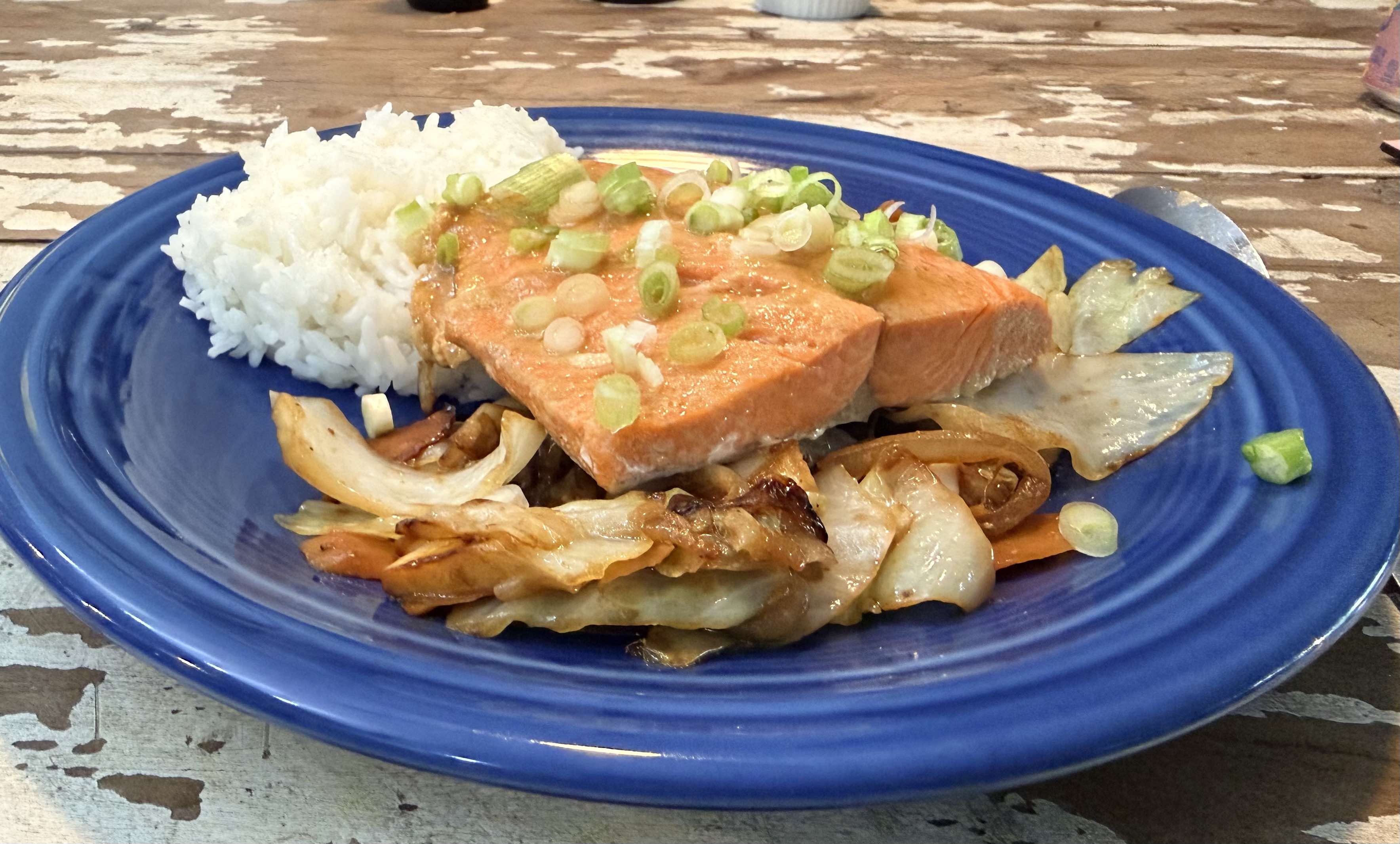
Miso Cod
Butter-Miso Glazed Cod with Caramelized Crust
White miso and butter create an unexpectedly rich glaze that builds flavor in layers as it bakes. The sauce caramelizes on top while keeping the cod flaky and moist underneath.
White miso has this remarkable ability to transform ordinary fish into something that tastes like it came from an expensive Japanese restaurant. Unlike its salty red cousin, white miso brings a gentle sweetness that plays beautifully with butter — creating a glaze that's both familiar and exotic at the same time.
This technique borrows from Japanese culinary tradition but simplifies it for the home kitchen. The key is cooking the glaze first, which concentrates the flavors and creates a sauce that clings to the fish instead of pooling around it. As it bakes, the miso caramelizes into golden patches while the butter keeps everything rich and glossy.
Cod works perfectly here because its mild flavor doesn't compete with the glaze, and its firm texture holds up well to the brief, high-heat baking. The optional salting step might seem fussy, but it firms up the fish noticeably — the difference between flaky cod and cod that holds its shape beautifully when you cut into it.
Ingredients
- 2 piececod fillets, 150-200g each
- ½ cupwhite miso
- 30 mlsake
- 30 mlmirin
- 30 mllight soy sauce
- 1 tbspunsalted butter
Optional Pre-Salting
- 1 tspsalt per fillet(optional)
Instructions
- For firmer texture, cover both fillets with a generous coating of salt and let them sit at room temperature for 10 minutes. Rinse thoroughly under cold water and pat completely dry with paper towels.⏱ 10 min
- Add the miso, sake, mirin, soy sauce, and butter to a small saucepan over low-medium heat. Whisk continuously until the butter melts and the miso dissolves into a smooth mixture, then bring to a rolling boil.
- Heat your oven to 390°F and arrange the cod fillets on a baking sheet. Pour the hot miso mixture directly over each fillet, making sure they're completely coated.
- Bake for 3 minutes, then remove and spoon any pooled sauce back over the fish. Return to the oven for another 3 minutes, checking that the internal temperature hits 130°F. If needed, give it 1-2 more minutes.⏱ 8 min
- Let the cod rest for 1-2 minutes before plating — this helps the glaze set slightly and prevents it from sliding off.⏱ 1 min 30 sec
Tips & Tricks
- Cook the glaze until it actually bubbles and boils — this step concentrates the flavors and helps it stick to the fish instead of sliding off.
- Don't skip the second basting at the 3-minute mark; this builds up the caramelized layer that makes the dish special.
- If your fillets are thicker than 1 inch, add 1-2 minutes to the cooking time but check the internal temperature to avoid overcooking.
- The glaze will look loose when it comes out of the oven but sets up as it cools — resist the urge to keep cooking if the fish is at temperature.
- Save any leftover glaze in the fridge for up to a week; it's excellent on salmon, chicken thighs, or even roasted vegetables.
Frequently Asked Questions
Can I use red miso instead of white miso?
Red miso will work but creates a much saltier, more intense flavor. Use about half the amount and taste the glaze before adding it to the fish. The final dish will be darker and more assertive.
What can I substitute for sake and mirin?
Replace both with dry white wine or rice vinegar, but add a pinch of sugar to compensate for mirin's sweetness. The flavor won't be quite as authentic, but it'll still be delicious.
How do I know when the cod is properly cooked?
The internal temperature should hit 130°F, and the fish should flake easily when pressed gently with a fork. The glaze will be golden brown and slightly bubbling around the edges.
Can I make this with frozen cod fillets?
Yes, but thaw them completely and pat very dry before proceeding. Frozen fish often releases more moisture, so you might need an extra minute or two in the oven.
Will this work with other types of fish?
Absolutely — salmon, halibut, or sea bass all work well. Adjust the cooking time based on thickness, but the glaze technique remains the same.