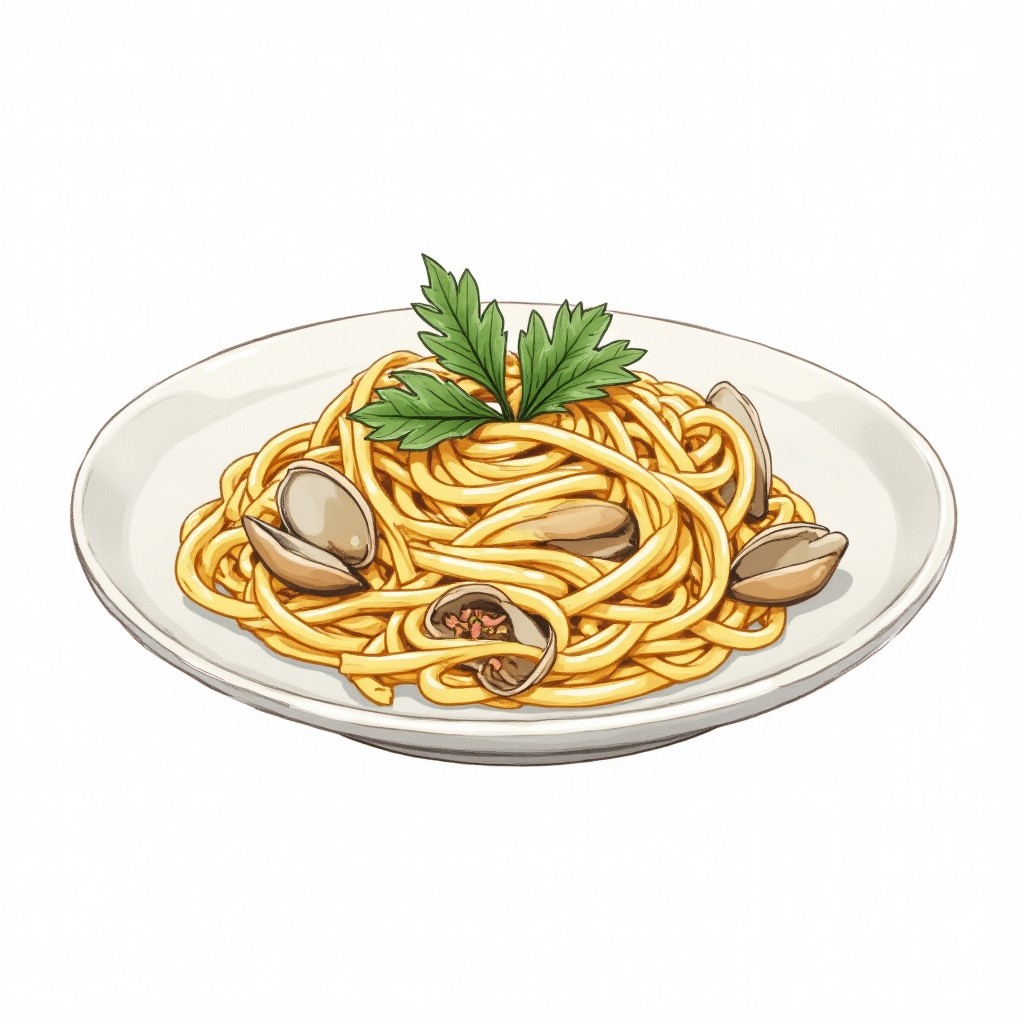
Linguine alle Vongole
Linguine alle Vongole — Silky Clam Pasta Where Every Shell Tells a Story
Fresh littlenecks release their briny essence into white wine and garlic, creating a sauce that clings to each strand of linguine like liquid ocean. This is Italian coastal cooking at its purest — no cream, no fuss, just the sea meeting the wheat in perfect harmony.
Every Italian coastal town has its version of linguine alle vongole, and locals will argue theirs is the only authentic one. What they all agree on is this: the clams must open in wine, never water, and the pasta water becomes part of the sauce. It's a dish that demands respect for timing — everything happens fast once those shells start opening.
The magic happens in that moment when briny clam juices meet starchy pasta water and good olive oil. No cream belongs here, despite what some American interpretations suggest. The sauce should taste like the ocean itself, clean and bright with just enough richness from the olive oil and a knob of butter at the end. Each clam shell becomes a tiny bowl, catching bits of garlic and parsley that cling to the linguine strands.
This is cooking that relies on quality ingredients doing what they do best. Fresh littlenecks will give you the sweetest meat and the clearest broth — avoid anything that's been sitting around or smells too fishy. The wine you use should be something you'd actually drink; it becomes the backbone of the entire sauce. When everything comes together in those final moments of tossing, you'll understand why this simple combination has remained unchanged for generations.
Nutrition
Ingredients
- 2 lblittleneck clams, scrubbed clean (choose tightly closed shells)
- 1 lblinguine pasta
- 1 cupdry white wine (pinot grigio or sauvignon blanc work well)
- 6 clovegarlic cloves, sliced paper-thin
- ½ cupextra virgin olive oil, good quality
- ¼ tspred pepper flakes
- ¼ cupfresh flat-leaf parsley, roughly chopped
- 2 tbspunsalted butter
- kosher salt
- freshly ground black pepper
Instructions
- Submerge the clams in a large bowl of cold salted water for 30 minutes. This purging process lets them expel any gritty sand trapped inside their shells — skip this step and you'll be crunching through dinner.⏱ 30 min
- Fill a large pot with water, salt it generously until it tastes like seawater, and bring to a rolling boil. You want this ready when the clam sauce is nearly finished.
- Pour the olive oil into your largest skillet and warm it over medium heat. The wide surface area gives the clams room to open properly without steaming each other.
- Slide in the sliced garlic and red pepper flakes, stirring constantly until the garlic turns golden and releases its aroma — about a minute. Watch carefully here; burnt garlic will make the whole dish bitter.⏱ 1 min
- Add the drained clams and wine in one swift motion, then immediately cover the pan. The steam trapped inside forces the shells open — you'll hear them start clicking and popping after a few minutes.⏱ 8 min
- Transfer all opened clams to a large serving bowl using tongs, leaving the cooking liquid behind. Any clams that stubbornly stayed closed should go straight into the trash — they were already dead.
- Drop the linguine into your boiling water and cook according to package directions until al dente. The pasta will finish cooking in the clam sauce, so err on the side of slightly firm.
- Crank the heat under your clam cooking liquid to high and let it bubble furiously until reduced by half. This concentrates all those briny, garlicky flavors into a silky sauce base.⏱ 3 min
- Whisk the butter and half the chopped parsley into the reduced liquid until the butter melts completely. The butter adds richness and helps the sauce cling to the pasta strands.
- Add the drained linguine and reserved clams to the skillet, tossing everything together with tongs until each strand glistens with sauce. The residual pasta water helps bind everything into harmony.
- Taste and adjust seasoning with salt and freshly cracked pepper, then scatter the remaining parsley over the top. Serve immediately in warmed bowls — this dish waits for no one.
Tips & Tricks
- Test one clam by tapping it against the counter — fresh ones will clamp shut immediately, while dead ones stay open and should be discarded.
- Save a cup of the starchy pasta cooking water before draining; it helps bind the sauce and creates the silky texture you're after.
- Don't overcook the opened clams when you add them back to the pan — they just need to warm through or they'll turn rubbery.
- If your reduced clam broth tastes too salty, add a splash of the pasta cooking water to balance it out.
- Warm your serving bowls in a low oven for a few minutes; this dish cools quickly and benefits from the extra heat.
Frequently Asked Questions
Can I use frozen clams instead of fresh?
Fresh littlenecks are really essential here since their opening process creates the base of your sauce. Frozen clam meat can work in a pinch, but you'll need to substitute clam juice or fish stock for the cooking liquid.
What if some of my clams don't open?
Toss any clams that don't open after 8-10 minutes of cooking — they were likely dead before cooking and aren't safe to eat. This happens occasionally even with fresh clams.
Can I make this dish ahead of time?
This is definitely a serve-immediately dish since the pasta will absorb the sauce and become gummy as it sits. You can prep ingredients ahead, but the actual cooking and serving should happen all at once.
What wine works best for the sauce?
Any dry white wine you'd enjoy drinking works well — Pinot Grigio, Sauvignon Blanc, or Vermentino are all excellent choices. Avoid anything sweet or heavily oaked.