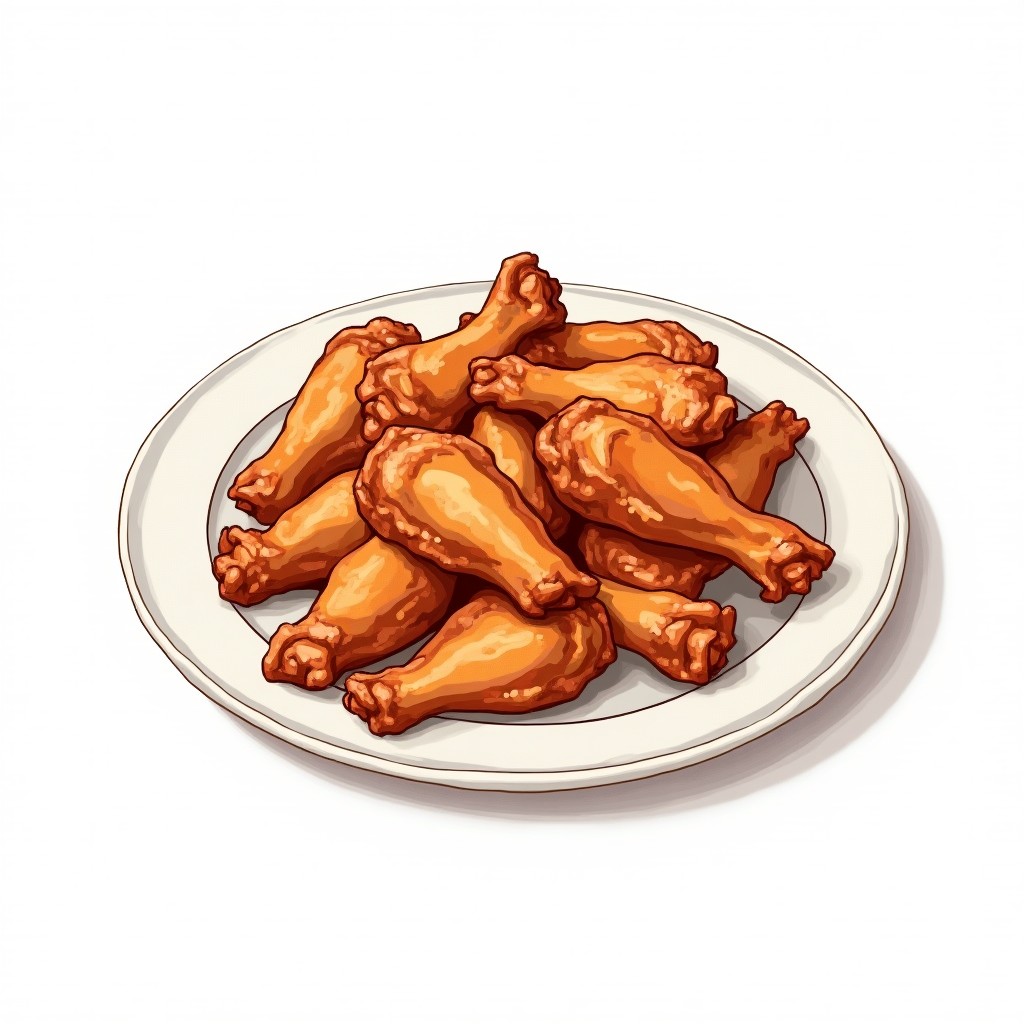
Korean Chicken Wings
Gochujang-Glazed Chicken Wings with Sesame Crunch
High-heat roasting transforms these wings into golden, crackling perfection before they meet their glossy, sweet-spicy gochujang coating. The sauce strikes that addictive Korean balance where heat meets sweetness, clinging to every crispy ridge.
Wings reveal their true potential when subjected to blazing heat, and Korean flavors know exactly how to reward that patience. The magic happens in two stages: first, that 450°F oven works its crispy transformation, rendering fat and creating those golden, crackling edges that make wings irresistible. Then comes the gochujang glaze, a glossy amber coating that balances fermented heat with just enough sweetness to keep you reaching for more.
Gochujang brings complexity that regular hot sauce simply can't match — its fermented depth creates layers of flavor that unfold with each bite. The chile paste has been Korea's secret weapon for centuries, delivering heat that builds slowly rather than burning immediately. When combined with a touch of gochugaru and balanced with soy sauce and vinegar, it becomes the kind of sauce that clings perfectly to every crispy ridge.
This isn't fusion cooking trying too hard to impress — it's Korean flavors applied to a format that just makes sense. The sesame seeds and scallions aren't mere garnish; they add textural contrast and fresh bite that cuts through the rich glaze. These wings disappear fast, so consider doubling the batch if you're feeding a crowd.
Ingredients
- 2½ lbchicken wings, wingettes and drumettes
- salt
- ground black pepper
- 3 clovegarlic, minced
- 3 tbspKorean red chili pepper paste (gochujang)
- ½ tspKorean chili powder (gochugaru)
- 2 tbspsoy sauce
- ½ tbspapple cider vinegar
- 2 tbspsugar
- 2 tbspwater
- 1 tspsesame oil
garnish
- white sesame seeds
- scallions, chopped
Instructions
- Preheat your oven to 450°F and line a baking sheet with parchment paper. Season the wings generously with salt and pepper, then arrange them skin-side up on the prepared sheet. Roast for 40-45 minutes until the skin is deeply golden and the juices run clear when pierced — the high heat is what creates those irresistible crispy edges.⏱ 45 min
- While the wings roast, whisk together the garlic, gochujang, gochugaru, soy sauce, apple cider vinegar, sugar, water, and sesame oil in a small saucepan. Set over low heat and stir constantly until the sugar dissolves and everything melds into a glossy, cohesive sauce. Remove from heat once it's smooth and fragrant.
- Transfer the hot wings to a large bowl and pour the warm sauce over them, tossing until each wing is thoroughly coated in that sticky, amber glaze. Sprinkle with sesame seeds and chopped scallions, then serve right away while the wings are still crackling hot.
Tips & Tricks
- Pat the wings completely dry with paper towels before seasoning — any moisture will prevent proper crisping.
- Don't crowd the wings on the baking sheet; they need space for air circulation to get properly crispy.
- The sauce should be warm when you toss it with the hot wings so it coats evenly and doesn't seize up.
- Toast your sesame seeds in a dry pan for 2-3 minutes for extra nutty flavor before sprinkling.
- If your gochujang is particularly thick, add an extra tablespoon of water to thin the sauce slightly.
Frequently Asked Questions
Can I use sriracha instead of gochujang?
Sriracha will give you heat but lacks gochujang's complex, fermented depth. If substituting, use 2 tablespoons sriracha plus 1 tablespoon tomato paste and increase the sugar to 3 tablespoons to approximate the sweetness.
How do I know when the wings are properly crispy?
The skin should be deeply golden and feel firm when gently pressed. You'll hear a slight crackling sound when they're properly rendered, and the juices should run clear when pierced at the thickest part.
Can these wings be made ahead?
Roast the wings up to 2 hours ahead and keep them warm in a 200°F oven. Make the sauce fresh and toss just before serving to maintain the crispy texture.
What if I can't find gochugaru?
Regular red pepper flakes work in a pinch, but use half the amount since they're typically hotter. Aleppo pepper is a closer substitute with similar mild heat and fruity notes.