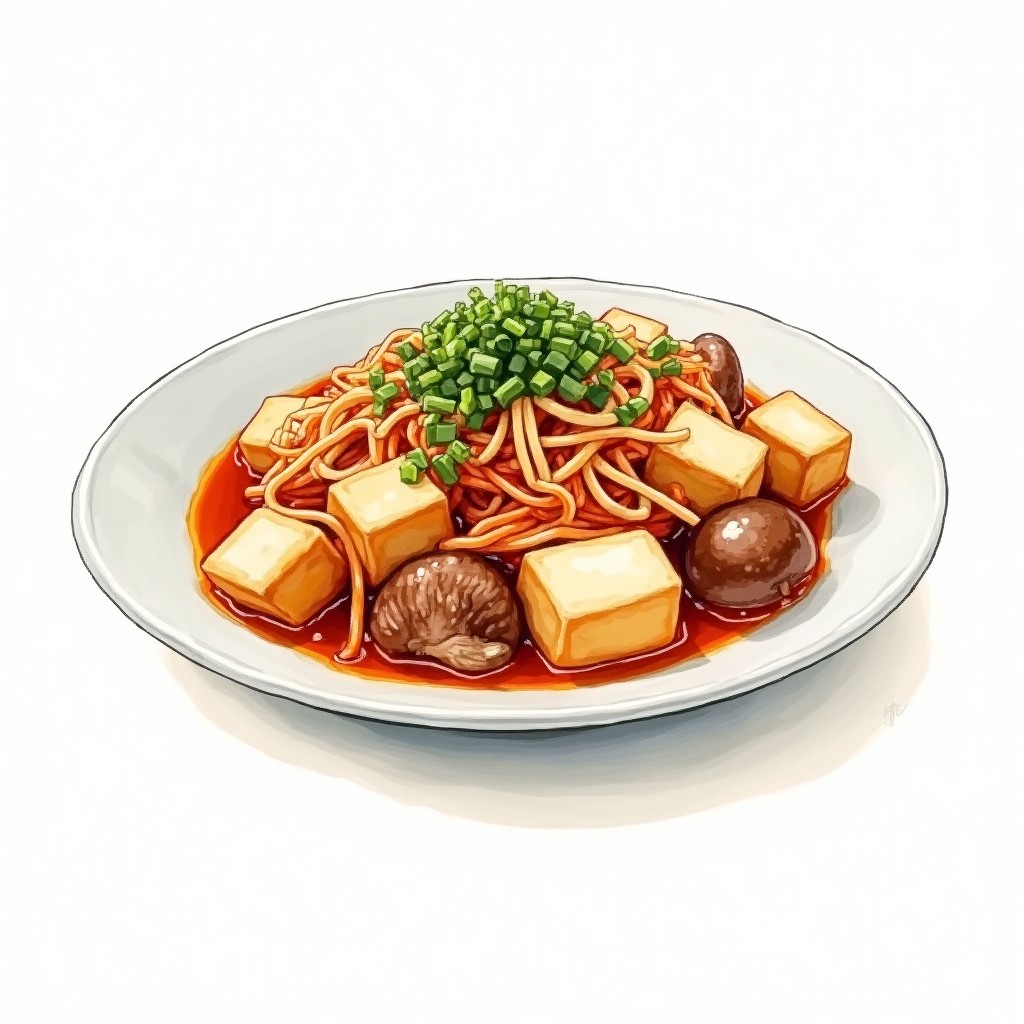
Kimchi Jjigae
Fiery Kimchi Jjigae with Tender Pork Belly
This soul-warming Korean stew transforms funky, aged kimchi into liquid comfort gold. The pork belly melts into silky richness while gochujang builds complex heat that'll clear your sinuses and warm you from the inside out.
Every Korean family has their own kimchi jjigae ritual, and most involve opening the refrigerator to find that jar of kimchi that's been sitting there just a little too long. You know the one — the kimchi that's gone from bright and crisp to deeply sour and almost fizzy. That's exactly what you want for this stew.
The magic of kimchi jjigae lies in its simplicity and its timing. The aged kimchi provides both the vegetable base and the fermented funk that makes this stew so addictive. When you sauté it first, those sour edges caramelize slightly, creating a deeper, more complex flavor that carries through the entire pot. The pork belly renders its fat slowly, creating a rich backdrop for the kimchi's assertive personality.
This isn't a dish you make when you're trying to impress anyone with technique or presentation. It's the kind of stew that appears on Korean tables when someone needs comfort, when the weather turns cold, or when there's kimchi that needs using up. The beauty is in how these humble ingredients — funky vegetables, fatty pork, soft tofu — come together to create something that feels both nourishing and exciting.
Ingredients
Meat
- 180 gpork belly, skinless, cut into bite-size pieces
- 1 tbsprice wine (mirin or sake work well)
- 3 sprinklesfreshly ground black pepper
Kimchi & Others
- ¾ cupaged kimchi, well-fermented, cut into bite-size pieces
- ¼ brown onion, small, thinly sliced
- ½ stalkgreen onion, small stalk, thinly sliced
- 2 shiitake mushrooms, small, stems removed and sliced thin
- 150 gfirm tofu, sliced into 1cm rectangles
- 1 cupwater
Jjigae base
- 1 tbspKorean chili flakes (gochugaru)
- 1 tbspsoy sauce, light or regular
- 1 tspKorean chili paste (gochujang)
- ¼ tspgarlic, finely minced
- 3 sprinklesfreshly ground black pepper
Instructions
- Toss the pork belly pieces with rice wine and black pepper in a bowl. Let them sit while you prep everything else — this brief marination removes any gaminess and adds subtle depth.⏱ 15 min
- Heat a dry skillet over medium heat and add the kimchi. Cook, stirring occasionally, until it softens and releases its tangy juices — about 4-5 minutes. The edges should look slightly caramelized.
- Whisk together all the jjigae base ingredients in a small bowl until the gochujang dissolves completely. Layer the marinated pork in the bottom of your pot, then top with the cooked kimchi, sliced onion, mushrooms, and tofu. Pour in the water and spoon the sauce mixture over everything. Keep the green onion aside for now.
- Bring the whole pot to a vigorous boil over medium-high heat, then dial it back to medium. Let it bubble away steadily, stirring gently every few minutes and ladling the developing broth over the tofu and vegetables. The pork should be completely tender and the flavors fully melded.⏱ 15 min
- Scatter the green onion over the surface, give everything one final gentle stir, and kill the heat. The residual warmth will wilt the green onion perfectly while keeping its fresh bite intact.
Tips & Tricks
- Use kimchi that's at least two weeks old — the more soured and softened it is, the better your jjigae will taste.
- Don't skip sautéing the kimchi first; this step concentrates its flavors and removes excess liquid that would otherwise dilute your broth.
- Let the pork belly render slowly rather than browning it aggressively — you want the fat to melt into silky richness, not crispy bits.
- Add the tofu in the final minutes to prevent it from breaking apart completely, though some crumbling actually adds nice texture to the stew.
- Taste and adjust the gochujang during cooking — different brands vary significantly in heat and saltiness.
Frequently Asked Questions
Can I use fresh kimchi instead of aged kimchi?
Fresh kimchi won't give you the same depth of flavor since it lacks the developed sourness that makes this stew special. If that's all you have, add a tablespoon of kimchi juice or a splash of rice vinegar to mimic some of that fermented tang.
What can I substitute for pork belly?
Thinly sliced pork shoulder or even bacon works well, though you'll lose some of the silky richness that pork belly provides. For a leaner option, use pork tenderloin but add a bit more oil to the pot.
How spicy is this stew?
The heat level is moderate but builds as you eat — the gochujang provides warmth rather than overwhelming fire. If you're sensitive to spice, start with half the amount and adjust upward.
Can I make this vegetarian?
Replace the pork with extra mushrooms and use vegetable broth instead of water. Add a splash of soy sauce for umami depth, though you'll miss the richness that pork fat brings to the broth.
How do I store leftovers?
This stew actually improves overnight as the flavors meld further. Store it covered in the refrigerator for up to three days, and reheat gently on the stove with a splash of water if needed.