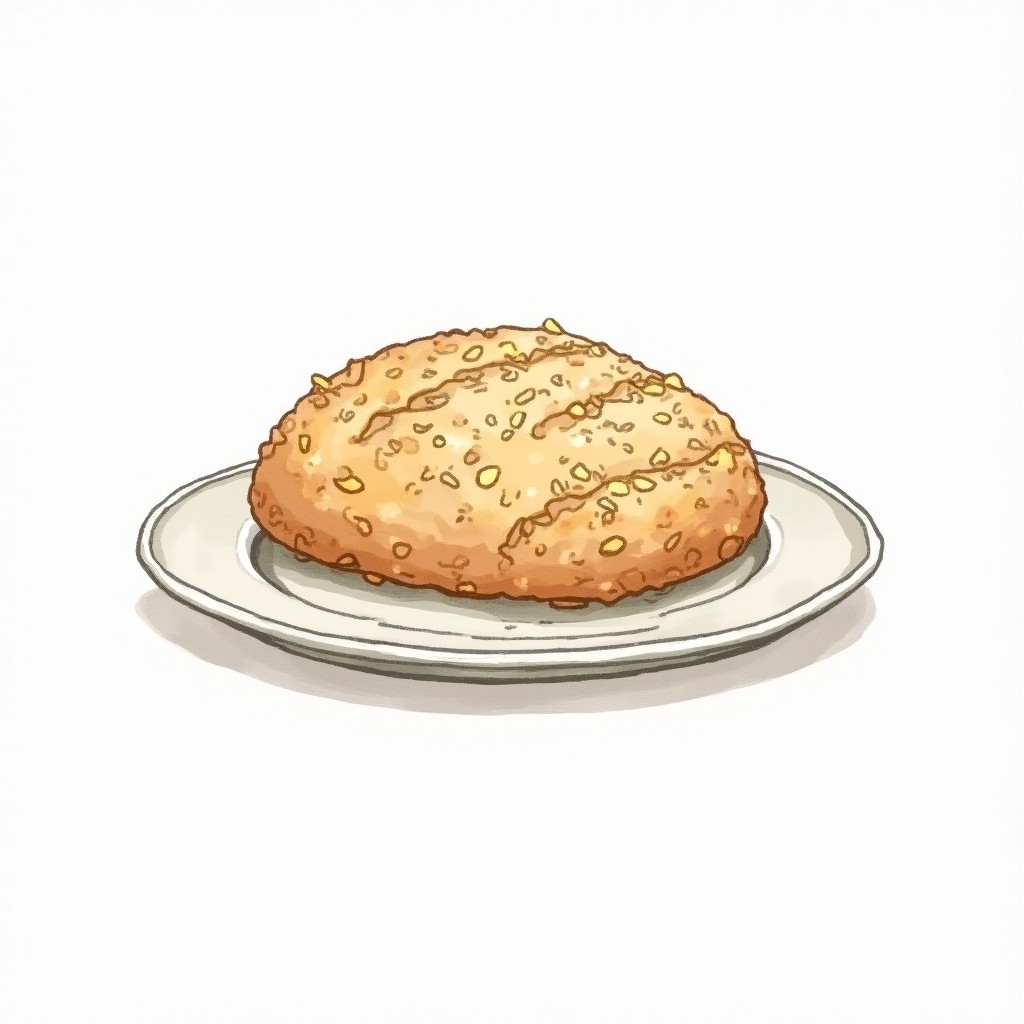
Irish Oatmeal Soda Bread
Hearty Irish Oatmeal Soda Bread — Rustic Loaves Made Easy
Rolled oats transform classic soda bread into something heartier and more satisfying, with a pleasant chew that pairs beautifully with the tangy buttermilk crumb. The oats toast as the bread bakes, adding a subtle nuttiness that makes each slice feel substantial without being heavy.
Soda bread might be Ireland's most democratic loaf — no yeast, no rising time, just mix and bake. But adding rolled oats transforms this humble quick bread into something altogether more interesting. The oats create pockets of chewy texture that contrast beautifully with the tender crumb, while their natural oils contribute a subtle nuttiness that deepens as the bread bakes.
The beauty of oatmeal soda bread lies in how the oats behave during baking. They soften just enough to become pleasantly chewy while maintaining their shape, creating a bread that feels substantial without being dense. Each slice has character — some bites more oaty, others showcasing the tangy buttermilk crumb that makes soda bread so distinctive.
This version strikes the perfect balance between rustic and refined. The honey adds just a whisper of sweetness that plays off the buttermilk's tang, while the melted butter enriches the crumb without making it heavy. It's the kind of bread that works equally well torn warm from the loaf with butter or toasted the next morning with jam.
Nutrition
Ingredients
- 3 cupall-purpose flour, spooned and leveled
- 1 cuprolled oats (old-fashioned, not quick-cooking)
- 1 tspbaking soda
- 1 tspsalt
- 1½ cupbuttermilk, well-shaken
- 2 tbspunsalted butter, melted and slightly cooled
- 1 tbsphoney
Instructions
- Preheat your oven to 425°F and line a baking sheet with parchment paper. This high heat creates the perfect crust while keeping the inside tender.
- In a large mixing bowl, whisk together the flour, oats, baking soda, and salt until evenly distributed. The oats will add texture throughout, so make sure they're well mixed with the flour.
- Stir the buttermilk, melted butter, and honey together in a measuring cup until the honey dissolves. The mixture should look smooth and cohesive.
- Pour the buttermilk mixture into the flour mixture and stir with a wooden spoon just until a shaggy, slightly sticky dough forms. Don't overwork it — some flour streaks are fine and actually preferred.
- Dump the dough onto a lightly floured surface and gently knead 3-4 times, just until it comes together in a cohesive mass. The dough should feel soft but manageable.
- Pat and shape the dough into a rustic 8-inch round loaf, about 2 inches thick. Transfer it to your prepared baking sheet — it doesn't need to be perfect.
- Using a sharp knife, score a deep X across the entire top of the loaf, cutting about 1/2 inch deep. This classic mark helps the bread expand evenly as it bakes.
- Bake until the loaf is golden brown all over and sounds hollow when you tap the bottom — this takes about 45 minutes. The crust should feel firm to the touch.⏱ 45 min
- Transfer the bread to a wire rack and let it cool for at least 30 minutes before slicing. This resting time lets the crumb set properly and prevents gummy slices.⏱ 30 min
Tips & Tricks
- Don't skip the 30-minute cooling time — cutting too early will give you gummy, compressed slices instead of the light, airy texture you want.
- Your dough should look shaggy and slightly rough after mixing; smooth dough means you've overworked it and the bread will be tough.
- Score that X deep enough to matter — shallow cuts won't help the bread expand properly and you'll end up with a dense, uneven loaf.
- The bread is done when it sounds hollow when tapped on the bottom, not just when the top looks golden brown.
- Day-old slices toast beautifully and actually have better texture than fresh for things like breakfast toast or sandwiches.
Frequently Asked Questions
Can I use quick oats instead of rolled oats?
Rolled oats work better here because they hold their shape and provide the chewy texture that makes this bread special. Quick oats will dissolve too much during baking and you'll lose that pleasant contrast.
What if I don't have buttermilk?
Add 1 tablespoon of white vinegar or lemon juice to regular milk and let it sit for 5 minutes until it curdles. This creates the acidity you need for the baking soda to work properly.
How should I store leftover bread?
Wrap it in a clean kitchen towel for up to 2 days at room temperature. Plastic wrap will make the crust soggy, and the refrigerator will dry it out faster.
Can I make this dairy-free?
Replace the buttermilk with non-dairy milk mixed with vinegar (same ratio as above) and use melted coconut oil instead of butter. The flavor will be different but still delicious.