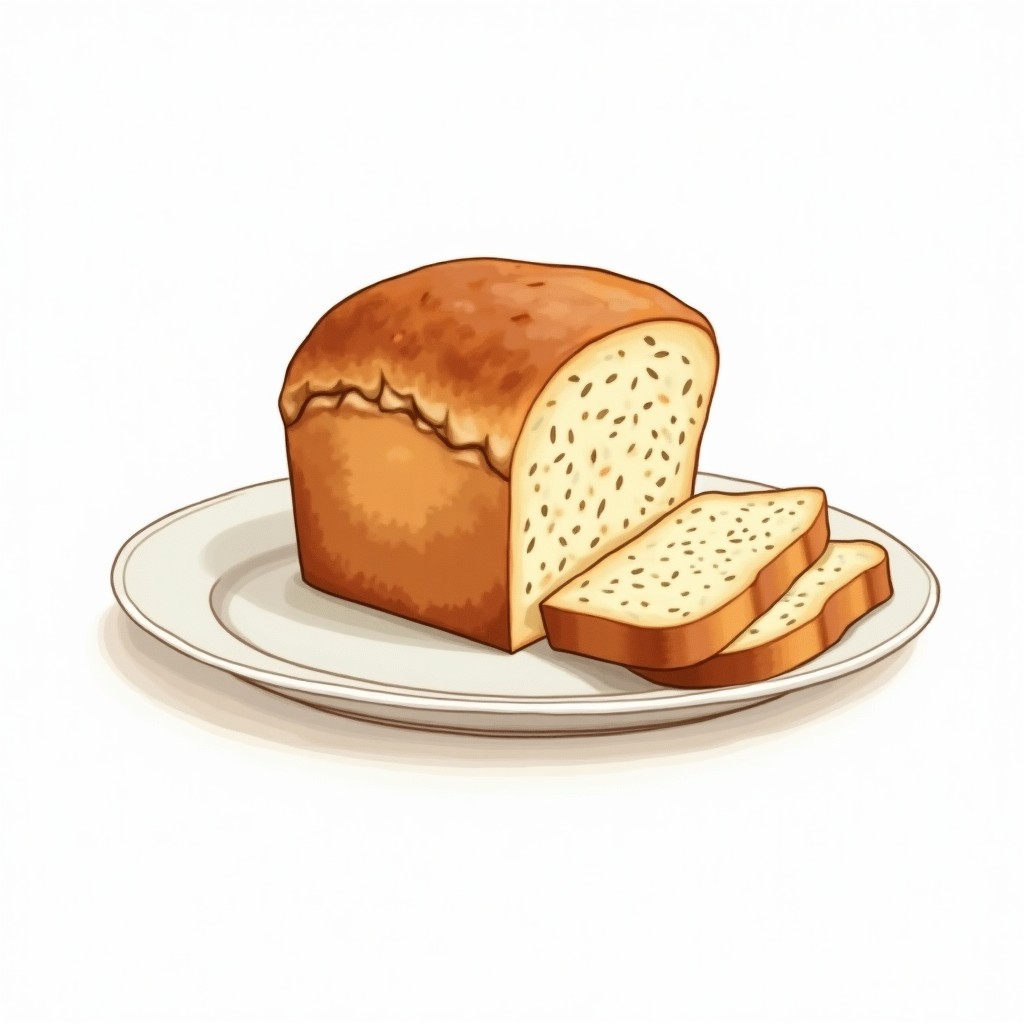
Irish Brown Bread
Traditional Irish Brown Bread — Rustic Whole Wheat Soda Bread from the Old Country
This dense, earthy loaf captures the soul of Irish baking with its mix of whole wheat and white flours, leavened simply with baking soda and tangy buttermilk. No yeast, no kneading, no fuss — just honest ingredients that come together into something wonderfully substantial and satisfying.
In Irish kitchens, brown bread isn't just baked — it's conjured from the simplest pantry staples into something that feels like home itself. This isn't the soft, pillowy bread of French bakeries or the chewy sourdoughs of San Francisco. Irish brown bread is dense, earthy, and unapologetically rustic, with a crumb that holds up to thick butter and sharp cheese.
The genius lies in what it doesn't require: no yeast to proof, no lengthy rising times, no complicated techniques passed down through generations of bakers. Just flour, buttermilk, baking soda, and salt meeting in a bowl for fifteen minutes before emerging from the oven as a proper loaf. The whole wheat flour gives it substance and a nutty depth that white bread simply can't match, while the buttermilk's tang balances the earthiness with just enough brightness.
This bread speaks to practicality born from necessity. Irish cooks needed something reliable that could be made quickly with ingredients that kept well — and they found it in this simple formula that turns out consistently good results whether you're an experienced baker or someone who rarely ventures beyond toast. The deep X scored across the top isn't just tradition; it's functional, helping the thick dough bake evenly while creating those wonderful crusty edges that make each slice interesting from first bite to last.
Nutrition
Ingredients
- 2 cupwhole wheat flour, preferably stone-ground
- 1 cupall-purpose flour
- 1 tspbaking soda
- 1 tspsalt, fine sea salt or kosher
- 1½ cupbuttermilk, well-shaken
- 2 tbsprolled oats, old-fashioned style(optional)
Instructions
- Set your oven to 425°F and give a 9-inch round cake pan a thorough coating of butter or cooking spray. The high heat creates the crisp crust that makes this bread special.
- In a large mixing bowl, whisk the whole wheat flour, all-purpose flour, baking soda, and salt until evenly distributed. The baking soda needs to be completely incorporated — any lumps will create bitter spots.
- Create a deep well in the center of your flour mixture and pour the buttermilk straight in. The acid in the buttermilk is what activates the baking soda, so work quickly once they meet.
- Using a wooden spoon, stir from the center outward just until the flour disappears into a shaggy, slightly sticky dough. Stop the moment it holds together — overworking will make the bread tough and dense.
- Dust your work surface with flour and turn out the dough. With floured hands, gently shape it into a round loaf about 7 inches across. Don't knead or press hard — just coax it into shape.
- Transfer the loaf to your prepared pan and use a sharp knife to cut a deep X across the entire surface, going about halfway through the dough. This traditional cross helps the bread bake evenly and prevents cracking.
- Scatter the oats over the top if you're using them, pressing lightly so they stick. They add a pleasant texture and rustic appearance to the finished loaf.
- Bake until the crust turns deep golden brown and tapping the bottom produces a hollow sound — this means the interior is fully cooked. The top should feel firm and spring back lightly when pressed.⏱ 45 min
- Let the bread rest on a wire rack to prevent the bottom from getting soggy. The crumb needs this time to set properly, and slicing too early will give you gummy pieces instead of clean slices.⏱ 10 min
Tips & Tricks
- Don't sift the flours — you want the coarse texture of whole wheat to remain intact for the bread's characteristic heartiness.
- Work fast once the buttermilk hits the flour mixture, since the acid-base reaction starts immediately and loses strength if you dawdle.
- The dough will feel stickier than regular bread dough — this is normal and necessary for the proper texture.
- Test doneness by lifting the loaf and tapping the bottom; a hollow sound means it's ready, while a dull thud means it needs more time.
- Let the bread cool completely before storing — cutting into warm brown bread releases too much moisture and makes it gummy.
Frequently Asked Questions
Can I use regular milk instead of buttermilk?
Regular milk won't work the same way since the acid in buttermilk is essential for activating the baking soda. If you're in a pinch, add 1 tablespoon of lemon juice or vinegar to 1½ cups of regular milk and let it sit for 5 minutes before using.
How should I store leftover brown bread?
Wrap the cooled loaf tightly in plastic wrap or store in an airtight container at room temperature for up to 3 days. For longer storage, slice and freeze wrapped portions for up to 3 months.
Why did my bread turn out too dense and heavy?
Overmixing is usually the culprit — stir just until the flour disappears and stop there. Also check that your baking soda is fresh; old baking soda loses its leavening power and won't give you the lift you need.
Can I make this without a round cake pan?
Absolutely — you can bake it free-form on a parchment-lined baking sheet, or use a loaf pan for a more traditional sandwich-bread shape. Just adjust the baking time slightly and watch for that golden-brown color.