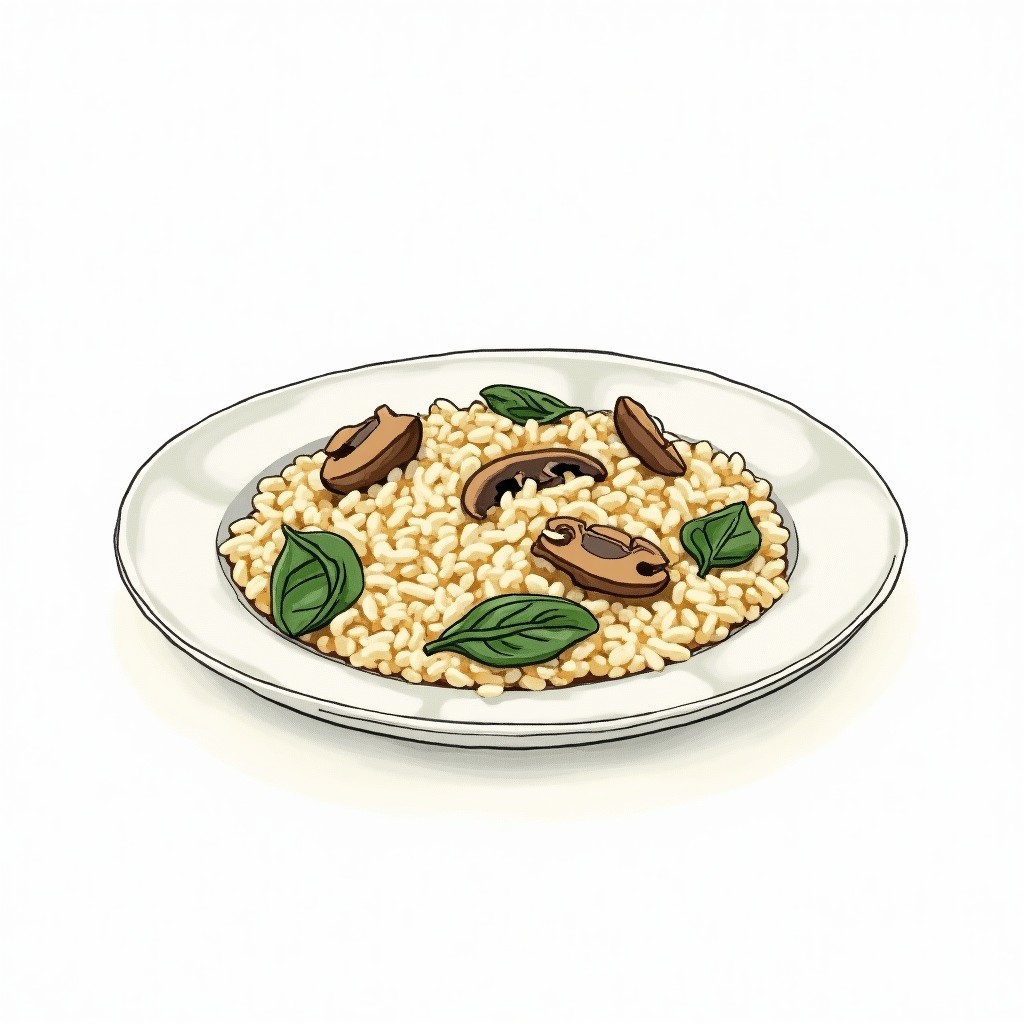
Instant Pot Mushroom Risotto
Instant Pot Mushroom Risotto — Silky Arborio Rice That Actually Works in a Pressure Cooker
Yes, you can make proper risotto in an Instant Pot, and it's genuinely good. The pressure cooking method creates that signature creaminess without endless stirring, while earthy mushrooms and bright peas make every spoonful satisfying.
Risotto skeptics often point to Instant Pot versions as proof that pressure cooking can't replicate traditional techniques. They're mostly wrong. While nothing fully replaces the meditative rhythm of stirring hot broth into rice grain by grain, this pressure cooker method produces genuinely creamy risotto that tastes like it came from a proper Italian kitchen.
The secret lies in understanding what actually makes risotto creamy: it's not the stirring itself, but the gradual release of starch from arborio rice as it cooks. The Instant Pot creates the same effect through steam and pressure, breaking down the rice's outer layer while keeping the center pleasantly al dente. The mushrooms here aren't just add-ins — they contribute earthy depth and natural umami that makes each bite more complex.
What you lose in ceremony, you gain in reliability. No more hovering over a pot for thirty minutes, no more worrying about scorching the bottom, no more ladling warm broth one cup at a time. This version delivers the comfort and satisfaction of traditional risotto in a fraction of the time, proving that sometimes modern shortcuts can honor classic flavors.
Ingredients
- 4 tbspunsalted butter, divided
- 3 clovegarlic cloves, minced fine
- 1 yellow onion, diced small
- 8 ozcremini mushrooms, sliced thin (about 1/4 inch)
- kosher salt
- freshly ground black pepper
- 2 cupgood-quality chicken broth
- 1 cuparborio rice (don't substitute other varieties)
- ¼ tspdried thyme
- 2 cupfresh baby spinach
- ¾ cupfrozen peas, thawed and drained
- ¼ cupParmesan cheese, freshly grated
Instructions
- Turn your Instant Pot to high sauté mode and let it heat for a minute. Drop in 2 tablespoons of butter and swirl it around as it melts. Add the minced garlic and diced onion, stirring frequently to prevent browning. You want the onion pieces soft and glassy, which takes about 4 minutes of active stirring.⏱ 4 min
- Toss in the sliced mushrooms and give everything a good stir. The mushrooms will release their moisture and shrink considerably as they cook. Keep stirring occasionally until they're tender and most of their liquid has evaporated. Season the whole mixture with a generous pinch of salt and several grinds of pepper.⏱ 4 min
- Pour in the chicken broth, scraping up any browned bits from the bottom of the pot — this adds flavor. Stir in the arborio rice and thyme, making sure every grain gets coated. Lock the lid, set the valve to sealing, and pressure cook on manual high for exactly 6 minutes. When the timer beeps, immediately do a quick pressure release.⏱ 6 min
- The rice should look creamy but still have a slight bite. Stir in the spinach along with the remaining 2 tablespoons of butter. The residual heat will wilt the greens completely in about 2 minutes of gentle stirring. Don't worry if it looks a bit loose — it'll tighten as it cools.⏱ 2 min
- Fold in the thawed peas and grated Parmesan, stirring just until the peas are warmed through and the cheese melts into the rice. Taste and adjust seasoning with more salt and pepper as needed. Serve immediately while the risotto is still creamy.⏱ 1 min
Tips & Tricks
- Don't skip the sauté step at the beginning — building that flavor base with properly softened onions and concentrated mushrooms is what separates good risotto from bland rice soup.
- Use the quick release immediately when the timer goes off, not natural release, to prevent overcooking the rice.
- The risotto will look quite loose when you first open the pot, but it thickens significantly as you stir in the butter, spinach, and cheese.
- Fresh peas work beautifully here if you have them — just add them with the spinach so they cook through completely.
- Leftover risotto reheats well with a splash of broth or water to restore its creaminess.
Frequently Asked Questions
Can I use vegetable broth instead of chicken broth?
Absolutely — vegetable broth works perfectly and keeps the dish vegetarian. Choose a flavorful variety rather than a mild one, since the broth provides much of the risotto's savory backbone.
What if I don't have arborio rice?
Carnaroli rice is actually the ideal substitute and often preferred by Italian cooks. Avoid long-grain rice like jasmine or basmati — they won't release enough starch to create proper creaminess.
Can I make this ahead of time?
Risotto is best served immediately, but you can make it a few hours ahead and reheat gently with extra broth to restore the creamy texture. Don't add the peas and spinach until reheating to keep them bright.
Why is my risotto too thick or too thin?
Too thick means it overcooked slightly — thin it with warm broth. Too thin usually means it needs more time to rest and thicken, or the rice needs a few more minutes of stirring to release more starch.