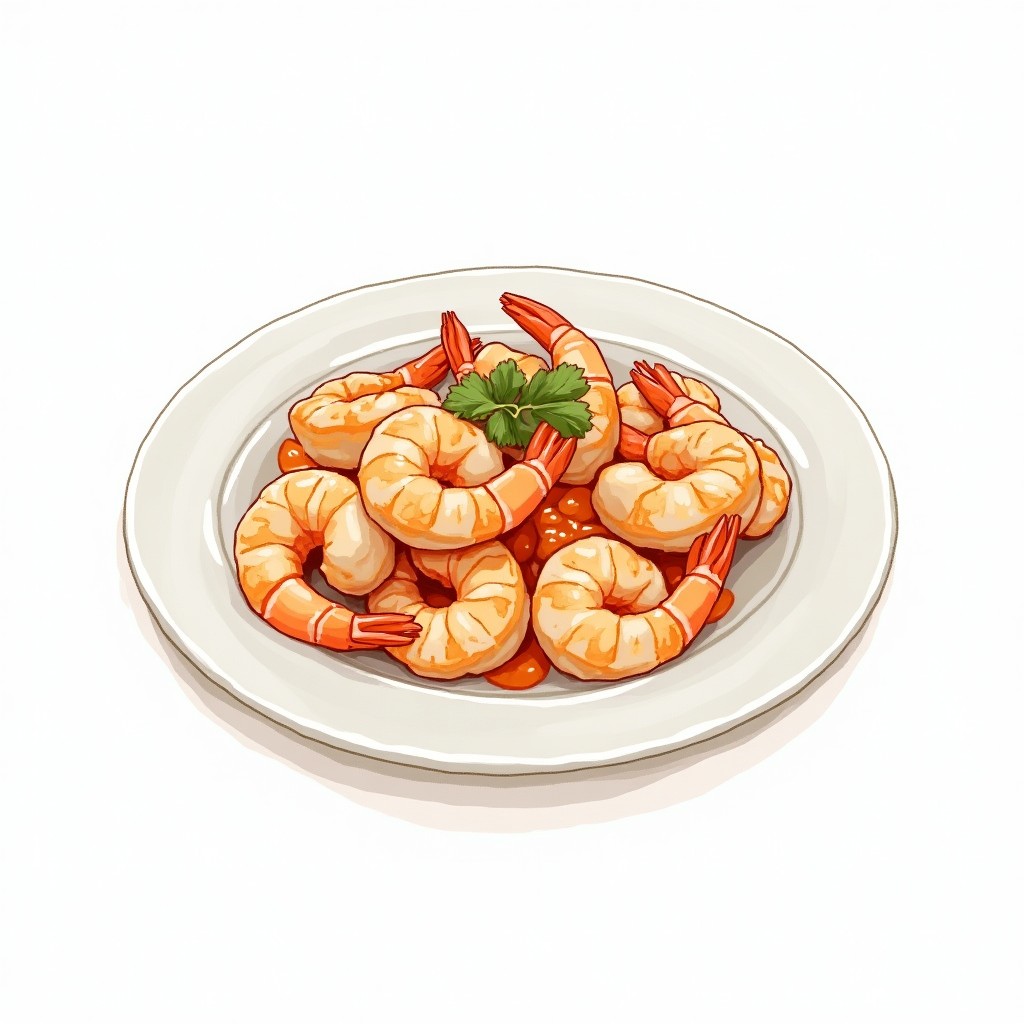
Hibachi Shrimp
Restaurant-Style Hibachi Shrimp with Tangy Sesame White Sauce
Quick searing locks in the shrimp's natural sweetness while soy sauce adds that essential umami depth. The creamy white sauce, spiked with sriracha heat and sesame oil, brings the whole dish together with restaurant-quality flavor.
The theatrics of hibachi dining — the flaming onion volcanoes, the rapid-fire knife work, the sizzling grill — often overshadow what's happening on your plate. But strip away the showmanship and you're left with something surprisingly elegant: perfectly seared shrimp with a sauce that balances sweet, spicy, and tangy in just the right proportions.
That signature white sauce is where the magic lives. It's not just mayo dressed up — the rice vinegar provides sharp acidity, sesame oil adds nutty depth, and sriracha brings controlled heat without overwhelming the delicate shrimp. The sugar isn't there to make it dessert-sweet; it rounds out the vinegar's edge and helps the flavors marry into something cohesive.
The shrimp technique matters more than you might expect. High heat and minimal handling create the caramelized exterior that gives hibachi shrimp its distinctive flavor. When you hear that initial sizzle as the shrimp hit the pan, you know you're on the right track. The soy sauce and lemon go on after the flip — they deglaze the pan and create those concentrated, slightly sticky juices that cling to each piece.
Ingredients
- 12 ozlarge shrimp, peeled and deveined
- 2 tbspolive oil
- 2 tspsoy sauce
- 1 wedgefresh lemon wedge
White Sauce
- ¼ cupmayonnaise
- 1 tspgranulated sugar
- 1 tspsriracha
- 2 tsprice vinegar
- ½ tsptoasted sesame oil
Instructions
- Whisk together the mayonnaise, sugar, sriracha, rice vinegar, and sesame oil in a small bowl until smooth. Give it a taste—the balance should hit sweet, tangy, and spicy notes. Cover and refrigerate until serving time.
- Heat the oil in a large skillet over medium-high heat until it shimmers and moves easily across the pan. You want it hot enough that the shrimp will sear immediately on contact.
- Lay the shrimp in a single layer without overcrowding—work in batches if needed. Let them sear undisturbed for 2 minutes until the bottoms turn golden brown and release easily from the pan.⏱ 2 min
- Flip each shrimp, then immediately drizzle with soy sauce and squeeze the lemon wedge over everything. Cook for 1-2 minutes more until the second side is browned and the shrimp curl into tight C-shapes.⏱ 1 min 30 sec
- Transfer the shrimp to plates alongside rice and vegetables. Drizzle generously with the white sauce—it's what transforms this from good to restaurant-memorable.
Tips & Tricks
- Pat the shrimp completely dry before cooking — any surface moisture will steam instead of sear, preventing that golden crust.
- Make the white sauce at least 30 minutes ahead so the flavors can blend, and taste it before serving since sriracha heat levels vary by brand.
- Don't move the shrimp during the first 2 minutes of cooking — they'll release naturally when properly seared and ready to flip.
- If your shrimp are jumping around in the hot oil, your heat might be too high — reduce it slightly to maintain control.
- Save any pan juices after cooking and drizzle them over rice — those caramelized bits are pure flavor.
Frequently Asked Questions
Can I use frozen shrimp for this recipe?
Yes, but thaw them completely and pat very dry with paper towels. Frozen shrimp hold more moisture, which can prevent proper searing and make the pan splatter more.
How can I make the white sauce spicier?
Start with an extra half teaspoon of sriracha and taste — you can always add more, but you can't take it back. For deeper heat, try adding a pinch of garlic powder or a few drops of sesame oil with chili.
What size shrimp works best?
Medium to large shrimp (16-20 count per pound) are ideal — they're big enough to develop a good sear without overcooking, but not so large that they take forever to cook through.
Can I make this without sesame oil?
The sesame oil provides the nutty depth that makes this taste like restaurant hibachi sauce, but you can substitute with a tiny drizzle of regular oil and a pinch of toasted sesame seeds if needed.