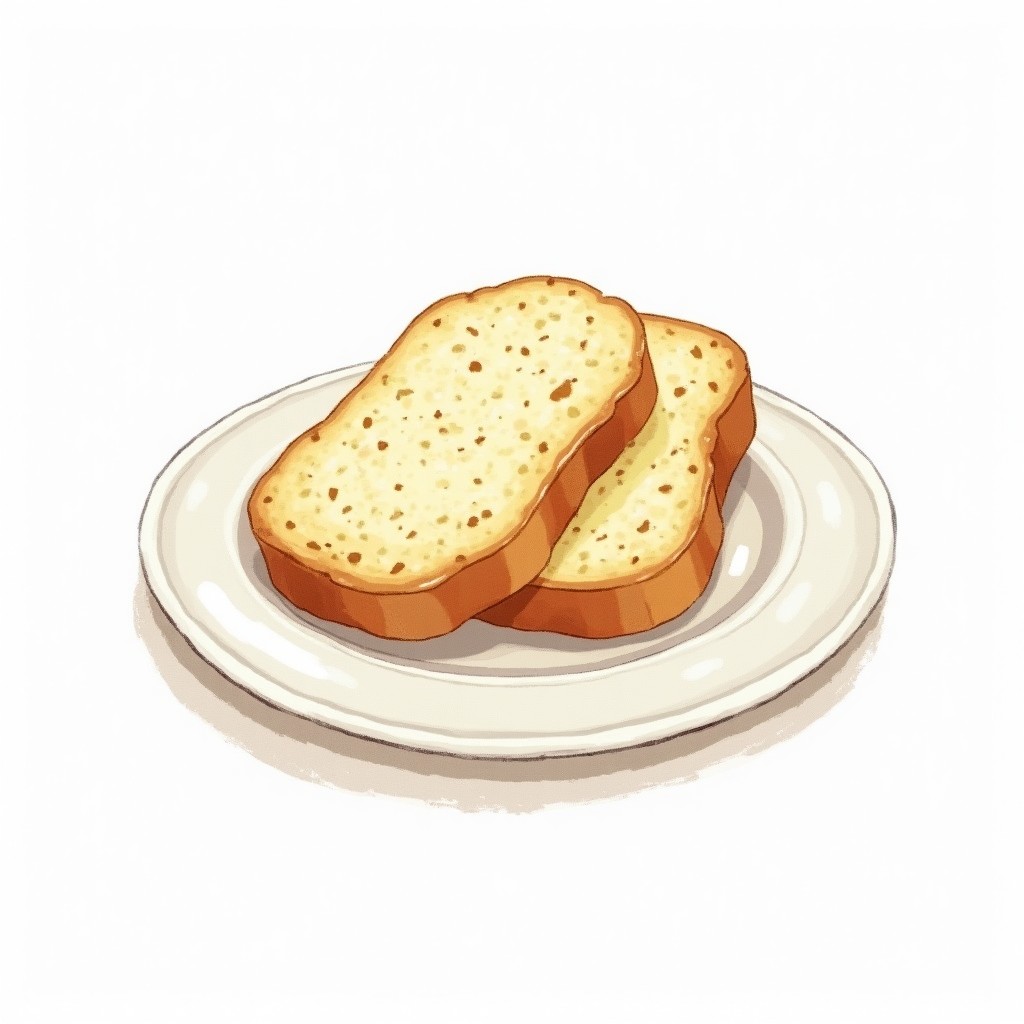
Guinness Irish Soda Bread
Dark Stout Soda Bread — Rich Guinness Loaf with No-Fuss Irish Tradition
The dark, malty depth of Guinness transforms everyday soda bread into something more complex and satisfying. This sturdy loaf comes together in minutes without any kneading or rising, delivering the authentic taste of Ireland with barely any work from you.
Guinness does something remarkable to soda bread that plain stout just can't achieve — it adds a complexity that tastes both ancient and sophisticated, like someone took the basic Irish loaf and gave it depth without fuss. The dark beer's roasted malt flavors weave through every bite, creating pockets of richness that make this bread substantial enough to anchor a meal yet refined enough to serve alongside soup at dinner.
Soda bread emerged from necessity in 19th-century Ireland when families needed to stretch precious ingredients into something filling and nourishing. The addition of stout wasn't just about flavor — it was practical, using what was often more readily available than fresh milk. That Guinness brings its own leavening properties too, working alongside the baking soda to create a tender crumb that's never heavy.
What makes this version so satisfying is how the beer's natural bitterness balances the slight sweetness in the dough, while those roasted notes echo through each slice. You get all the rustic charm of traditional Irish baking with layers of flavor that make simple butter and jam taste like a proper feast. The best part? It takes longer to drink a pint than it does to mix this dough.
Nutrition
Ingredients
- 4 cupall-purpose flour
- 1 tspfine sea salt
- 1 tspbaking soda
- 2 tbspgranulated sugar
- 4 tbspcold unsalted butter, cut into small cubes
- 1 cupGuinness stout, room temperature
- ¾ cupbuttermilk
- 1 largelarge egg, lightly beaten
Instructions
- Crank your oven to 425°F and butter a 9-inch round cake pan well. The high initial temperature creates the crust you want on this bread.
- Combine the flour, salt, baking soda, and sugar in a large bowl, whisking them together until evenly distributed. These dry ingredients need to be perfectly mixed before you add anything wet.
- Work the cold butter cubes into the flour mixture with a pastry cutter or your fingertips until you get coarse, uneven crumbs. Some larger pieces are fine — you want texture, not uniformity.
- Whisk the Guinness, buttermilk, and beaten egg together in a separate bowl until smooth. The stout should be at room temperature so it doesn't shock the other ingredients.
- Add the wet mixture to the flour mixture and fold together with a wooden spoon just until a shaggy dough forms. Stop the moment it comes together — overworking will make your bread tough and dense.
- Dump the dough onto a lightly floured counter and gently pat it into a round loaf that fits your prepared pan. Handle it as little as possible while still getting a decent shape.
- Score a deep X across the entire top with your sharpest knife, cutting about halfway down into the loaf. This classic mark helps the bread bake evenly and looks properly traditional.
- Slide the pan into the oven for 15 minutes, then drop the temperature to 400°F and continue baking for 30 minutes more. The finished loaf should be deep golden and sound hollow when you tap the bottom.⏱ 45 min
- Let the bread rest in the pan for 10 minutes before turning it out onto a cooling rack. This brief rest prevents it from falling apart when you remove it.⏱ 10 min
Tips & Tricks
- Let your Guinness go completely flat before using it — the carbonation can create an unpredictable rise and texture.
- Don't skip the butter cubing step; those small pieces create pockets of richness that make each bite more interesting than uniform mixing would.
- The X score should be decisive and deep — a shallow cut won't allow the center to bake through properly.
- This bread tastes best within 24 hours but freezes beautifully wrapped tightly for up to three months.
- Test doneness by lifting the loaf and tapping the bottom — a hollow thump means it's ready, while a dull thud needs more time.
Frequently Asked Questions
Can I use a different stout instead of Guinness?
Absolutely — any dark stout will work, though each will bring its own character. Murphy's or Beamish are classic Irish alternatives, while American craft stouts tend to be more intensely flavored.
What if I don't have buttermilk?
Add 1 tablespoon of white vinegar to 3/4 cup regular milk and let it sit for 5 minutes. The acid is essential for reacting with the baking soda, so don't skip this step.
Why did my bread turn out dense and heavy?
Overmixing is the most common culprit — soda bread dough should look shaggy and barely hold together. Also check that your baking soda is fresh; old leavening won't give you the lift you need.
Can I make this ahead of time?
Soda bread is best baked and served the same day, but you can mix the dry ingredients up to a week ahead and store them covered. Add the wet ingredients right before baking for best results.