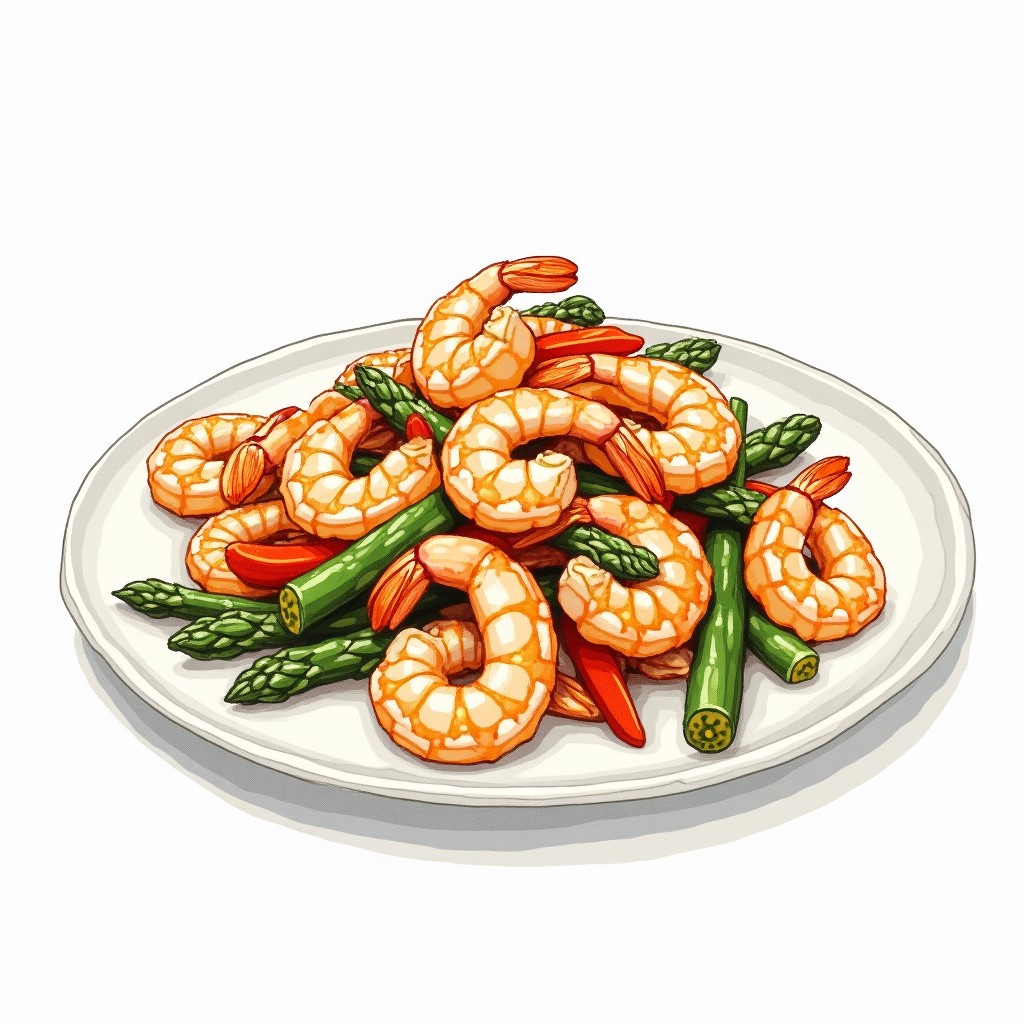
Garlic Shrimp Stir Fry
15-Minute Garlic Shrimp Stir-Fry — Restaurant Speed, Home Kitchen
This is what happens when sweet, plump shrimp meet an aromatic garlic-soy glaze in a blazing hot pan. The vegetables stay crisp, the sauce clings perfectly, and dinner is ready before you know it.
There's something deeply satisfying about the rhythm of stir-fry cooking — the quick prep, the hot pan, the rapid-fire assembly that transforms raw ingredients into dinner in minutes. This garlic shrimp version captures everything that makes stir-frying addictive: bold flavors developing fast, textures staying exactly where they should be, and that unmistakable wok hei smokiness you can achieve even on a home stovetop.
The secret lies in understanding heat and timing. Shrimp cook incredibly fast — too long in the pan and they turn rubbery, but get them just right and they're sweet, tender, and perfectly plump. The vegetables need their own moment to develop some caramelization while keeping their crunch. Meanwhile, that garlic-heavy sauce needs just enough time to thicken and coat everything without becoming gloppy.
What makes this recipe particularly reliable is how it sidesteps the usual stir-fry pitfalls. The sauce is mixed ahead so you're not scrambling with bottles while food overcooks. The vegetables go in together since they all need similar timing. And the shrimp get their moment to properly sear before everything comes together in that final glossy toss that makes restaurant stir-fries so irresistible.
Ingredients
- ½ cuplow-sodium soy sauce or tamari
- 1 tbsptoasted sesame oil
- 1 tbspchili sauce or sriracha
- 2 tbspbrown sugar, packed
- 6 garlic cloves, minced fine
- 1 tbspcornstarch
- 1 tbspwater
- 1 tbspneutral oil like olive or vegetable
- 1 red bell pepper, sliced into thin strips
- ½ lbasparagus spears, woody ends trimmed
- 1 cupfresh snow peas, strings removed
- 2 lblarge shrimp, peeled and deveined
- sesame seeds for garnish(optional)
Instructions
- Mix your sauce first so it's ready when you need it. Whisk together the soy sauce, sesame oil, chili sauce, brown sugar, minced garlic, cornstarch, and water in a small bowl until the cornstarch dissolves completely. The sugar might need a moment to blend in fully.
- Heat the oil in your largest skillet or wok over medium-high heat until it shimmers. Add the bell pepper, asparagus, and snow peas all at once. Stir frequently but let them sit long enough between tosses to get some color — they should be bright and still have snap when you bite them.⏱ 3 min
- Push the vegetables to one side and add the shrimp to the empty space. Let them sear undisturbed for about a minute, then start stirring everything together. The shrimp are done when they're pink and opaque throughout — no gray centers.⏱ 4 min
- Pour the sauce over everything and keep stirring. The cornstarch will work its magic quickly, turning the sauce glossy and coating everything beautifully. Once it's thickened enough to cling to the shrimp and vegetables, you're ready to serve.⏱ 5 min
- Serve immediately over steamed rice and scatter sesame seeds on top if you're using them. This dish loses its charm if it sits around, so have your rice ready and eat while it's hot.
Tips & Tricks
- Pat the shrimp completely dry before cooking — any surface moisture will cause them to steam instead of sear, and you'll miss that caramelized flavor.
- If your pan isn't large enough for everything, cook the vegetables first and set them aside, then cook the shrimp and combine at the end with the sauce.
- The cornstarch in the sauce needs constant stirring once it hits the hot pan or it will clump — keep your spatula moving.
- Frozen shrimp work perfectly here, just thaw them completely and drain well before patting dry.
- Have your rice ready before you start cooking — stir-fries wait for no one and taste best when served immediately.
Frequently Asked Questions
Can I use frozen vegetables instead of fresh?
Fresh vegetables give you the best texture contrast, but if using frozen, thaw and pat them very dry first. Add them to the hot pan without oil initially to cook off excess moisture, then proceed with the recipe.
What if I don't have a wok or large skillet?
Cook in batches using your largest pan rather than overcrowding. Do vegetables first, then shrimp, then combine everything with the sauce for the final minute.
How do I know when the shrimp are perfectly cooked?
They'll turn from gray-translucent to pink-opaque and curl into a loose C-shape. Overcooked shrimp curl tightly and feel bouncy rather than tender.
Can I make this less spicy?
Absolutely — reduce the chili sauce or substitute with a milder sweet chili sauce. You can also add a touch more brown sugar to balance any remaining heat.
Will this keep for leftovers?
It's best eaten fresh, but leftovers will keep refrigerated for 2 days. Reheat gently in a skillet rather than the microwave to preserve some texture in the vegetables.