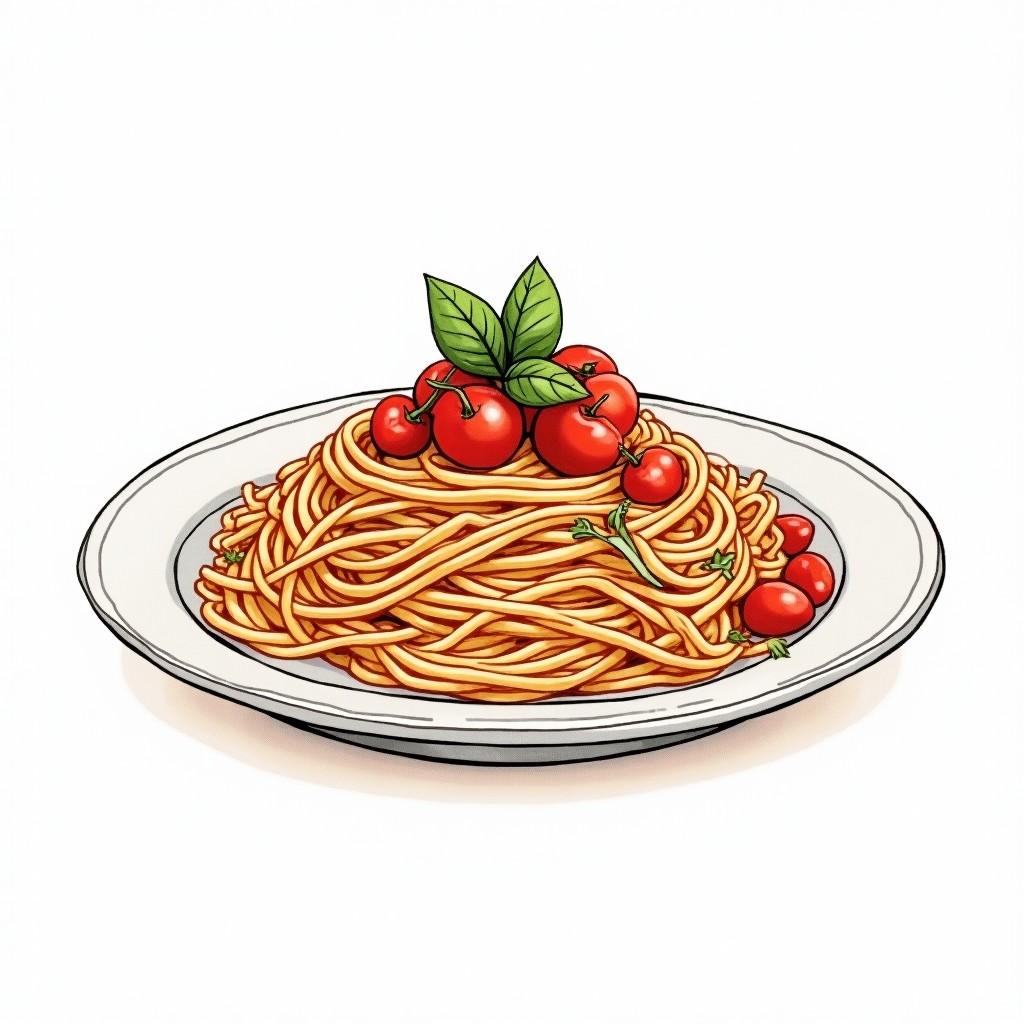
Filetto di Pomodoro
Filetto di Pomodoro — Pure Italian Tomato Sauce with Garden Basil
When August tomatoes are at their peak, this is what you make — a sauce so clean and bright it tastes like summer itself. Just six ingredients transform into something that coats pasta with the essence of ripe fruit and fresh herbs, no heavy cream or complicated technique required.
Every Italian grandmother knows the secret: when tomatoes are perfect, you don't mask them with complications. This is sauce-making at its most elemental — six ingredients that speak clearly to each other without shouting. The tomatoes do the heavy lifting, while olive oil carries their sweetness and garlic adds just enough backbone to keep things interesting.
Filetto di pomodoro literally means "fillet of tomato," which captures exactly what this sauce delivers — the pure essence of the fruit, stripped of anything unnecessary. It's what gets ladled over spaghetti in Roman trattorias where the cook's reputation rests entirely on knowing when to stop adding things. The technique matters here more than you might expect: that gentle simmer concentrates the tomatoes' natural sugars while olive oil and garlic build a foundation that supports without competing.
The basil goes in at the very end, wilted just enough by residual heat to release its oils but not enough to turn it into green mush. This timing is what separates a sauce that tastes like summer from one that merely looks like it should. When you've got tomatoes this good, the goal isn't to transform them — it's to help them become the best version of themselves.
Nutrition
Ingredients
- 2 lbripe tomatoes, peeled and chopped (San Marzano or beefsteak work beautifully)
- 3 clovegarlic cloves, minced
- 3 tbspextra virgin olive oil, preferably cold-pressed
- 1 tspsalt
- ½ tspblack pepper, freshly ground
- ¼ cupfresh basil leaves, torn by hand (never cut with a knife)
Instructions
- Warm the olive oil in a large skillet over medium heat until it shimmers slightly but doesn't smoke. Good olive oil will release its fruity aroma as it heats — that's your cue that it's ready.⏱ 2 min
- Drop in the minced garlic and let it sizzle gently until fragrant and just beginning to turn golden at the edges. Don't let it brown — burnt garlic will make the whole sauce bitter.⏱ 1 min
- Add the chopped tomatoes along with the salt and pepper, stirring to combine everything evenly. The tomatoes will release their juices immediately and start bubbling — this is exactly what you want.
- Let the sauce simmer gently, stirring every few minutes to prevent sticking. The tomatoes will break down and concentrate into a thick, glossy sauce that coats the back of a spoon. You'll know it's ready when a wooden spoon drawn through the center leaves a brief clear trail.⏱ 20 min
- Pull the skillet off the heat and immediately fold in the torn basil leaves. The residual heat will wilt them just enough to release their oils without cooking them completely — this keeps that bright, peppery basil flavor intact.
Tips & Tricks
- Use San Marzano or any paste tomato variety if you can find them — their lower water content means less simmering time and more concentrated flavor.
- Crush the tomatoes by hand rather than using a food processor; the irregular pieces break down into a more interesting texture than uniform chunks.
- Test the sauce's doneness by dragging your wooden spoon across the bottom of the pan — if the trail stays clear for 2-3 seconds before filling in, you're there.
- Save some pasta cooking water before draining — a splash helps the sauce cling better to the noodles when you toss everything together.
- This sauce actually improves after sitting for an hour or two, so make it earlier in the day and reheat gently before serving.
Frequently Asked Questions
Can I use canned tomatoes instead of fresh?
Yes, especially good-quality San Marzanos. Use one 28-oz can of whole tomatoes, crush them by hand, and reduce the cooking time to about 15 minutes since canned tomatoes are already partially cooked.
How do I peel fresh tomatoes easily?
Score an X on the bottom of each tomato, drop them in boiling water for 60 seconds, then transfer to ice water. The skins will slip right off with gentle pressure.
Can I make this sauce ahead of time?
Absolutely — make the sauce without the basil and refrigerate for up to 3 days. Add torn basil when you reheat it, letting the warmth wilt the leaves fresh.
What if I don't have fresh basil?
Fresh oregano or a pinch of dried herbs work, but avoid dried basil — it tastes dusty compared to the bright, peppery notes of fresh leaves that make this sauce special.