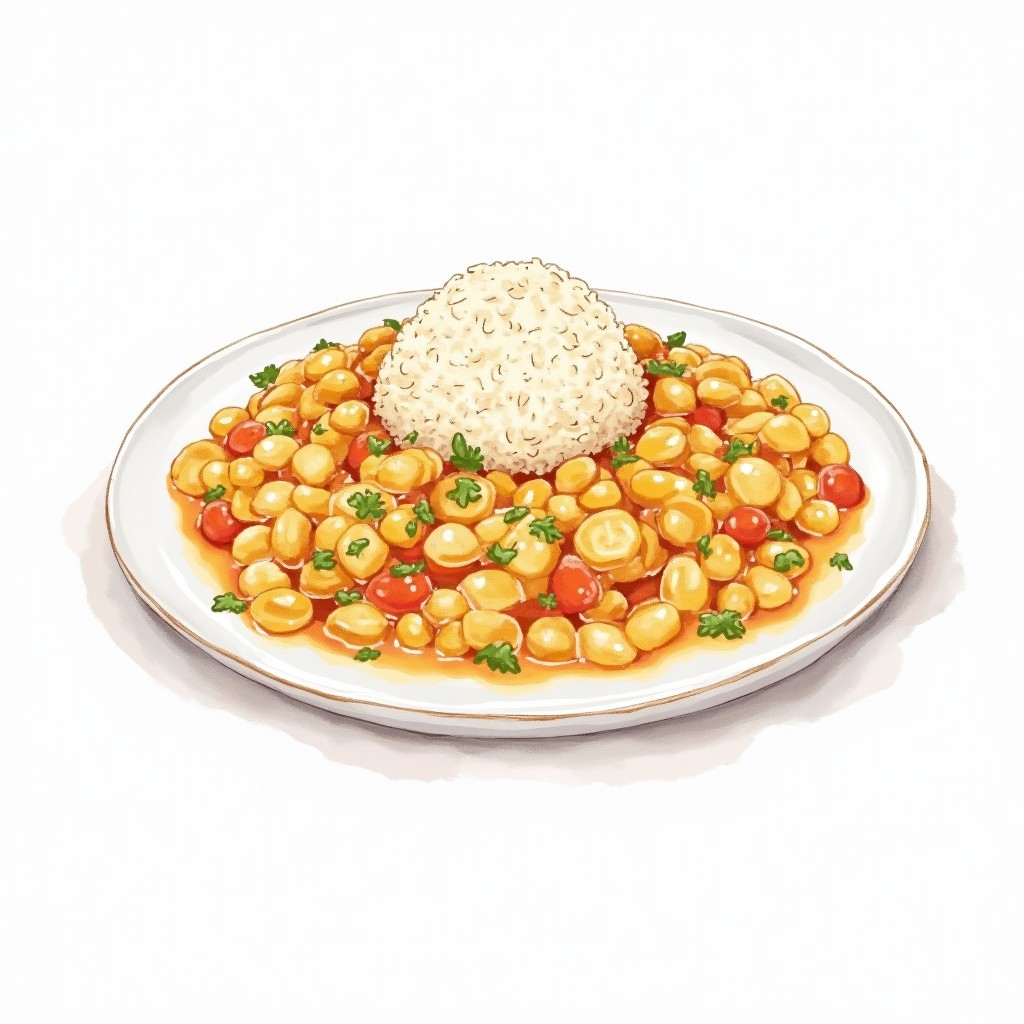
Crawfish Etouffee
Louisiana Crawfish Étouffée
Building a proper étouffée means committing to the roux — that dark, nutty base that takes patience but delivers the deep, complex flavor this dish is famous for. Once you've got that foundation, the crawfish and vegetables come together in a velvety sauce that's pure Louisiana soul food.
Crawfish étouffée isn't just Louisiana comfort food — it's a lesson in patience disguised as dinner. The dish belongs to that class of Creole and Cajun classics where the magic happens slowly, in the foundational steps that can't be rushed. Here, everything hinges on that initial roux, the flour-and-oil mixture that transforms from pale paste to deep mahogany over twenty minutes of constant attention.
The technique migrated from French kitchens through Louisiana's unique cultural melting pot, where African, Spanish, and Native American influences shaped what we now call Creole cooking. "Étouffée" literally means "smothered" — and that's exactly what happens when tender crawfish tails get folded into that rich, dark sauce. The holy trinity of onions, bell peppers, and celery provides the aromatic backbone, while the roux delivers the deep, nutty complexity that makes this dish so addictive.
What sets proper étouffée apart from gumbo or jambalaya is its focus: this is crawfish's starring moment, not a supporting role. The sauce should coat each grain of rice without overwhelming the delicate sweetness of the tail meat. Done right, it's the kind of dish that makes you understand why Louisianans are so protective of their culinary traditions.
Nutrition
Ingredients
- ½ cupall-purpose flour
- ½ cupvegetable oil (or peanut oil)
- 1 largelarge yellow onion, diced
- 1 largelarge bell pepper, diced
- 3 stalkcelery stalks, diced
- 4 clovegarlic cloves, minced
- 3 cupgood-quality seafood stock
- 2 lbcrawfish tail meat, peeled
- 2 tbsptomato paste
- 2 bay leavesbay leaves
- 1 tspsweet paprika
- ½ tspcayenne pepper
- 1 tspdried thyme
- salt and black pepper
- 3 green onionsgreen onions, sliced
- ¼ cupfresh flat-leaf parsley, chopped
For serving
- 3 cupcooked white rice
Instructions
- Combine the flour and oil in a heavy-bottomed pot over medium heat, whisking constantly. This roux needs to reach a deep chocolate brown color — it'll take about 20 minutes of steady whisking, but don't rush it. The color and nutty aroma develop gradually, and if you turn up the heat to speed things along, you'll burn it.⏱ 20 min
- Drop in the diced onion, bell pepper, and celery straight into the hot roux. They'll sizzle and steam at first — that's normal. Stir everything together and cook until the vegetables soften and lose their raw edge. The moisture from the vegetables will also help cool down the roux so it doesn't continue darkening.⏱ 8 min
- Add the minced garlic and stir it in well. You'll smell it bloom almost immediately — don't let it go longer than a minute or the garlic will turn bitter.⏱ 1 min
- Work the tomato paste into the roux mixture and let it cook for a couple minutes. This step deepens the color and adds a subtle richness to the base. You want the paste to darken slightly and lose that raw tomato smell.⏱ 2 min
- Pour in the seafood stock gradually, whisking constantly to prevent lumps from forming. Start with just a splash and whisk it smooth, then add the rest in a steady stream. The mixture will thin out considerably — this is exactly what you want.
- Toss in the bay leaves, paprika, cayenne, and thyme, then bring the whole pot to a boil. The surface should be actively bubbling before you move to the next step.
- Turn the heat down to maintain a gentle simmer and let the sauce reduce and thicken. It should coat the back of a spoon when it's ready — this concentrated base is what makes the étouffée rich and satisfying.⏱ 15 min
- Fold in the crawfish meat gently — these little tails are delicate and don't need much cooking. Just long enough to heat through and absorb some of that flavorful sauce.⏱ 5 min
- Taste and season with salt and black pepper as needed, then fish out those bay leaves. The crawfish usually brings some saltiness, so go easy at first.
- Stir in the sliced green onions and chopped parsley just before serving — they add a fresh pop of color and flavor that cuts through all that richness. Serve immediately over hot white rice.
Tips & Tricks
- Your roux will go from perfect to burned in about thirty seconds, so never walk away from the stove during those final few minutes of browning.
- Frozen crawfish works just as well as fresh for this dish — just thaw it completely and drain off any excess liquid before adding to the pot.
- If your roux gets too dark (black instead of chocolate brown), toss it and start over — there's no saving a burned roux, and it will make the entire dish bitter.
- The étouffée will thicken as it sits, so if you're reheating leftovers, thin it with a splash of stock or water to get the right consistency.
Frequently Asked Questions
Can I substitute shrimp for the crawfish?
Absolutely — use the same weight of medium shrimp, peeled and deveined. Add them at the same point you would the crawfish, cooking just until they turn pink and curl.
How do I know when my roux is dark enough?
You want the color of dark chocolate or coffee grounds, and it should smell deeply nutty, almost like toasted nuts. If it smells burned or acrid at any point, start over.
Can this be made ahead of time?
The étouffée actually improves overnight as the flavors meld. Store it in the fridge for up to three days, but add the crawfish during reheating if you want to prevent overcooking.
What if I can't find seafood stock?
Chicken stock works fine, though you'll lose some seafood depth. For a closer substitute, simmer shrimp shells in chicken stock for 15 minutes, then strain.