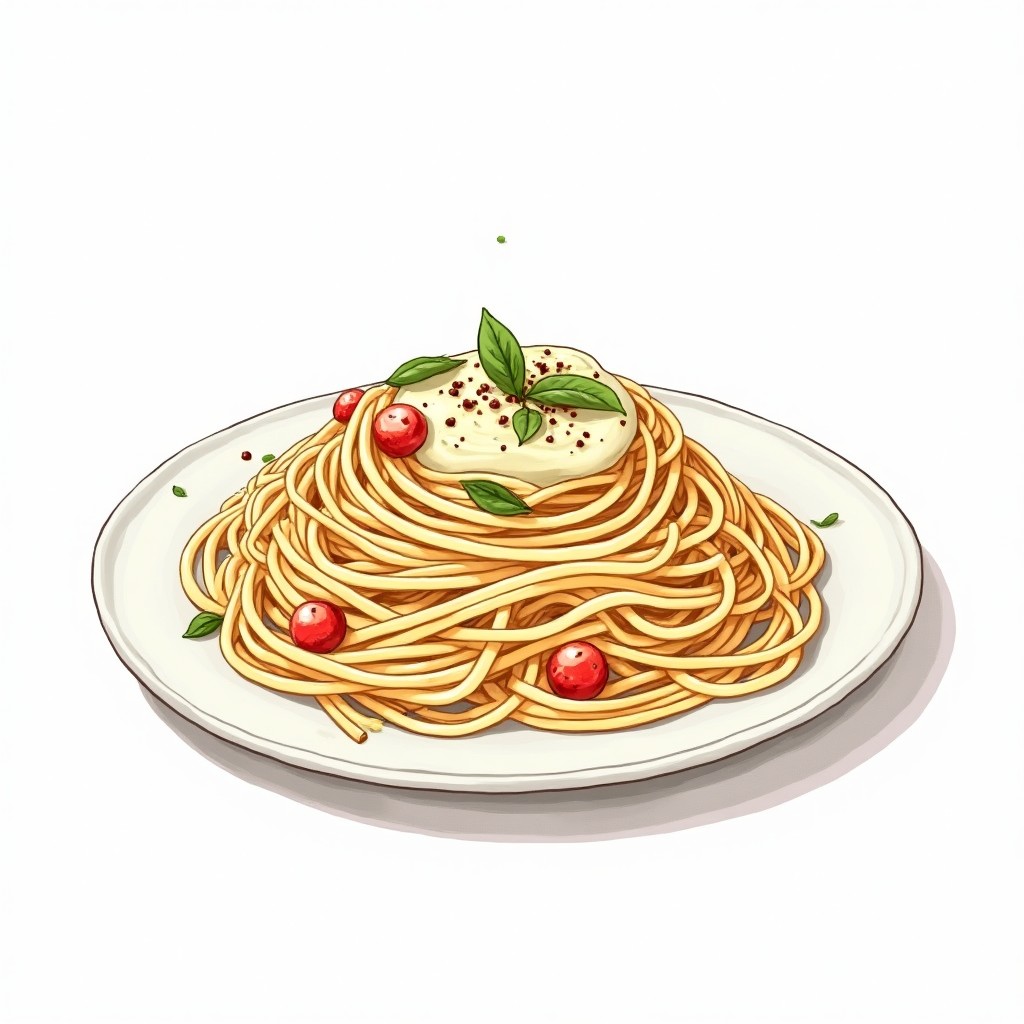
Classic Pasta Carbonara
Real Roman Carbonara
Carbonara done right is pure alchemy — just five ingredients transform into silky perfection through technique alone. The secret lies in creating an emulsion hot enough to cook the eggs but gentle enough to avoid scrambling them.
Romans have been making carbonara for less than a century, yet they defend its purity with religious fervor — and they're absolutely right to. This isn't just pasta with cream sauce (which would make any Roman weep); it's a precise dance between heat, timing, and technique that creates something far greater than its humble parts.
The beauty of authentic carbonara lies in its restraint. No cream, no peas, no chicken — just eggs, cheese, pepper, pancetta, and pasta water working together to create that legendary silky coating. The magic happens in those crucial seconds when hot pasta meets the egg mixture off the heat, creating an emulsion that's simultaneously rich and light.
Master this technique and you'll understand why carbonara has survived unchanged in Roman trattorias for decades. It's comfort food that requires skill, simplicity that demands respect. Get the timing right, and you'll have a bowl of glossy, luxurious pasta that proves sometimes the best dishes are the ones that refuse to be improved upon.
Nutrition
Ingredients
- 1 lbspaghetti, high-quality bronze-cut preferred
- 6 ozpancetta, cut into small dice
- 4 largelarge egg yolks, room temperature
- 1 whole egg, room temperature
- 1 cupParmigiano-Reggiano, finely grated
- 1 tspblack pepper, freshly ground and coarse
- kosher salt for pasta water
Instructions
- Fill your largest pot with water and salt it generously — it should taste like seawater. Bring to a rolling boil over high heat.
- In a large mixing bowl, whisk together the egg yolks, whole egg, grated cheese, and black pepper until well combined. This mixture will create your sauce base.
- Heat a large skillet over medium heat and add the diced pancetta. Cook, stirring occasionally, until the fat renders out and the pieces turn golden and crispy. Don't rush this — proper rendering is crucial for flavor.⏱ 8 min
- Drop the spaghetti into the boiling water and cook according to package directions until al dente. The pasta should have a slight bite when you test it.
- Before draining, scoop out 1 cup of the starchy pasta cooking water and set aside. Then drain the pasta completely.
- Working quickly, add the drained hot pasta directly to the skillet with the pancetta. Toss everything together so the pasta picks up the rendered fat and crispy bits.
- Pull the skillet off the heat immediately, then pour in the egg mixture while vigorously tossing the pasta with tongs. The residual heat will gently cook the eggs without scrambling them.
- Keep tossing while gradually adding the reserved pasta water, a splash at a time, until a glossy, creamy sauce coats each strand. This should take about 2 minutes of constant motion.⏱ 2 min
- Plate immediately and pass extra grated cheese and freshly ground pepper at the table. Carbonara waits for no one — serve it while it's steaming hot.
Tips & Tricks
- Use the hottest pasta possible when mixing with the eggs — the residual heat is what gently cooks them into a creamy sauce without scrambling.
- Save more pasta water than you think you need; the starch content varies, and you might need extra to achieve that perfect glossy consistency.
- Render the pancetta slowly over medium heat rather than rushing it — properly rendered fat is key to the dish's richness.
- Keep the pasta moving constantly once you add the egg mixture; any pause gives the eggs a chance to seize up.
- If your sauce looks too thick, add pasta water a tablespoon at a time while tossing; if it's too thin, keep tossing off the heat to let it thicken.
Frequently Asked Questions
Can I use bacon instead of pancetta?
You can, but it changes the dish significantly. Bacon is smokier and saltier than pancetta, which will overpower the delicate egg and cheese flavors that define carbonara.
What if my eggs scramble despite my best efforts?
If you catch it early, immediately add a splash of pasta water and toss vigorously off the heat. For badly scrambled eggs, start over with a fresh egg mixture and use the salvaged pasta and pancetta.
Can this be made ahead or reheated?
Carbonara is meant to be eaten immediately — the creamy texture doesn't survive reheating well. The eggs will separate and the pasta will become gummy when stored.
Why do some recipes call for whole eggs instead of just yolks?
Using one whole egg plus yolks gives you the richness of yolks with just enough protein from the white to help stabilize the emulsion. It's the traditional Roman ratio that works best.