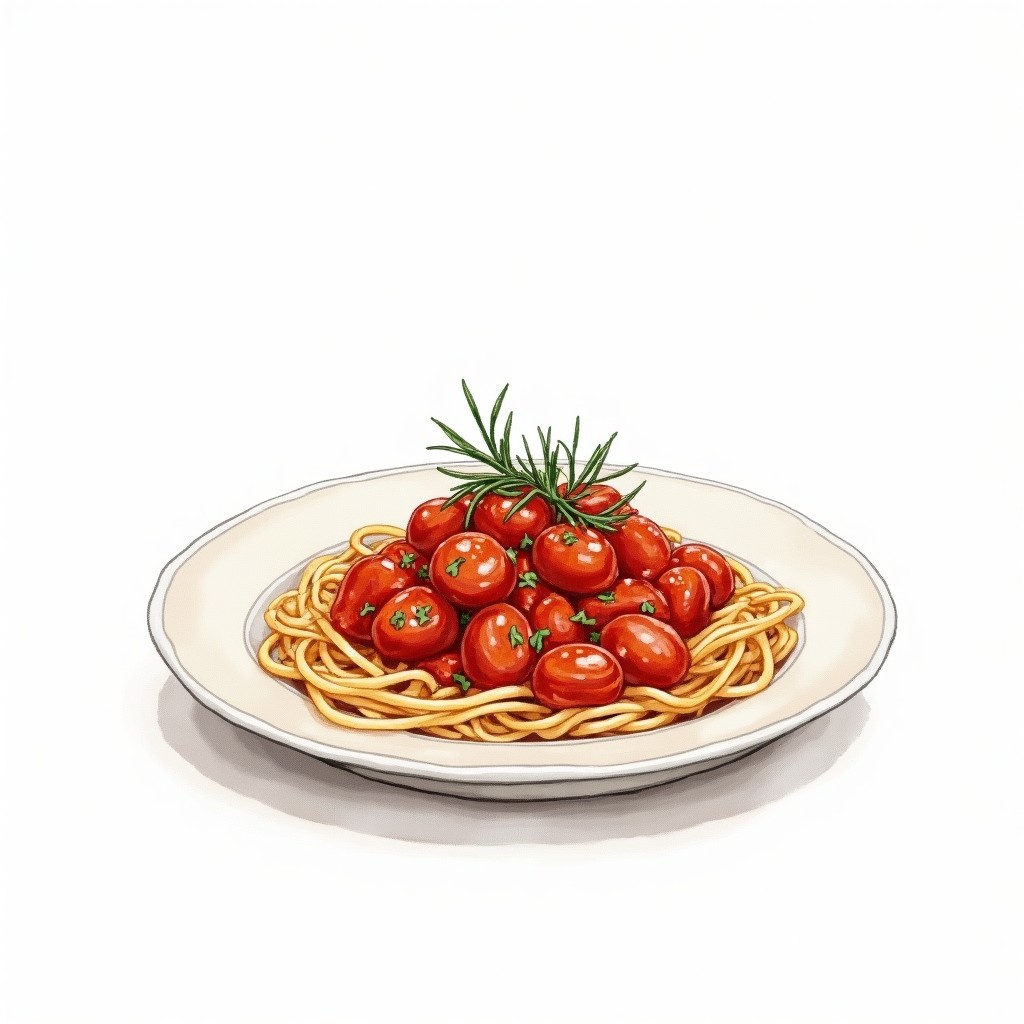
Classic Meat Sauce
Slow-Simmered Sausage and Vegetable Ragu
Real Italian ragu doesn't happen in 30 minutes — this version takes over an hour of gentle cooking to build layers of flavor. The sausage browns slowly alongside aromatic vegetables until everything melts into a rich, deeply satisfying sauce that clings beautifully to pasta.
There's a particular rhythm to making real Italian ragu that modern cooking has largely forgotten. No rushing, no shortcuts — just the steady hiss of vegetables slowly surrendering their moisture and the gradual deepening of color as everything caramelizes together. This isn't the thick, meat-heavy sauce many Americans think of as ragu, but something more nuanced: a marriage of good sausage and patient technique that results in a sauce with genuine depth.
The key lies in that long, slow cooking phase where the sausage and vegetables meld together over low heat. Most recipes hurry past this step, but those 40 minutes of gentle browning create layers of flavor that simply can't be replicated any other way. The vegetables break down just enough to become part of the sauce's body, while the sausage fat renders slowly, carrying all those aromatic notes throughout.
What emerges after more than an hour of simmering is a sauce that clings to pasta without being heavy, rich without being greasy. It's the kind of ragu that Italian nonnas have been perfecting for generations — one that transforms simple ingredients into something that tastes like it took all day, because in the best possible way, it did.
Ingredients
- 1 lbsweet Italian sausage, preferably in natural casings
- extra-virgin olive oil
- 1 yellow onion, minced fine
- 1 carrot, peeled and minced fine
- 1 celery stalk, minced fine
- ¼ cupfresh flat-leaf parsley, minced
- 1 28-ounce canwhole tomatoes with their juice, good quality San Marzano if available
- 1 large sprigfresh thyme sprig, large
- 1 large sprigfresh rosemary sprig, large
- 3 tbsptomato paste, double-concentrated
- kosher salt
- freshly ground black pepper
- 1 lbtubular pasta like rigatoni or penne
- Parmesan cheese, freshly grated(optional)
Instructions
- Remove the sausages from their casings and crumble the meat directly into a wide skillet over medium-low heat. Drizzle with olive oil if the pan looks dry. Cook gently, breaking up any large chunks with a wooden spoon, just until the meat loses its raw pink color — don't let it brown yet, about 5 minutes.⏱ 5 min
- Fold in the minced onion, carrot, celery, and parsley with the partially cooked sausage. Turn the heat down to very low and cook patiently, stirring every few minutes, until the vegetables turn golden and sweet and the meat develops a rich brown color. This slow caramelization takes about 40 minutes but builds the flavor foundation of the entire sauce.⏱ 40 min
- Crush the tomatoes with your hands as you add them to the pan along with all their juice — this gives you better texture than chopping. Nestle in the thyme and rosemary sprigs. Let everything bubble gently, uncovered, until the sauce thickens and looks almost dry on the surface, 20 to 25 minutes.⏱ 22 min 30 sec
- Whisk the tomato paste with 1 cup of hot water until smooth, then stir this mixture into the sauce. Keep cooking over very low heat until the sauce transforms into a velvety, dark red color with droplets of oil shimmering on top. Fish out the herb sprigs — they've done their job. This final step takes about 10 minutes.⏱ 10 min
- Meanwhile, bring a large pot of generously salted water to a rolling boil and cook the pasta until just shy of tender — it should still have a slight bite. Before draining, scoop out and save 2 cups of the starchy cooking water.
- Return the drained pasta to its cooking pot over low heat. Add a generous ladle of the ragu and a splash of the reserved cooking water. Toss vigorously for about a minute, then repeat with more sauce and pasta water until every piece is well-coated and the pasta finishes cooking through.⏱ 1 min
- Divide the dressed pasta among warmed bowls and top each serving with more ragu and a sprinkle of fresh parsley. Set the grated Parmesan on the table so everyone can add as much as they like.
Tips & Tricks
- Keep the heat lower than you think — the vegetables should sizzle gently, not aggressively brown, during that crucial 40-minute cooking phase.
- Don't skip crushing the tomatoes by hand; it gives you better texture control than pre-chopped canned tomatoes and prevents the sauce from becoming too uniform.
- Save those herb sprigs after you remove them — they're perfect for flavoring soup stock or tossing into roasted vegetables later in the week.
- The sauce should look almost dry and concentrated before you add the tomato paste mixture; this ensures maximum flavor development.
- Finish the pasta in the pot with the sauce rather than just spooning sauce on top — this final tossing step helps everything bind together properly.
Frequently Asked Questions
Can I use hot Italian sausage instead of sweet?
Absolutely — hot sausage works beautifully and adds a nice background heat to the finished sauce. You might want to go easy on additional black pepper since the sausage will bring its own spice.
How far ahead can I make this sauce?
The ragu actually improves after a day or two in the refrigerator, making it perfect for meal prep. It will keep for up to 4 days refrigerated or 3 months frozen.
What pasta shapes work best with this sauce?
Tubular shapes like rigatoni, penne, or paccheri are ideal because the sauce gets trapped inside the pasta. Avoid delicate shapes like angel hair, which can't support the hearty texture.
Why does my sauce look oily on top?
That's actually a good sign — it means the fat has properly rendered and the sauce is well-developed. The oil will incorporate when you toss the pasta, creating a silky coating.
Can I double this recipe?
Yes, but use a larger, wider pan to ensure proper evaporation during the long cooking phase. You may need to add 10-15 minutes to the vegetable browning time for the larger batch.