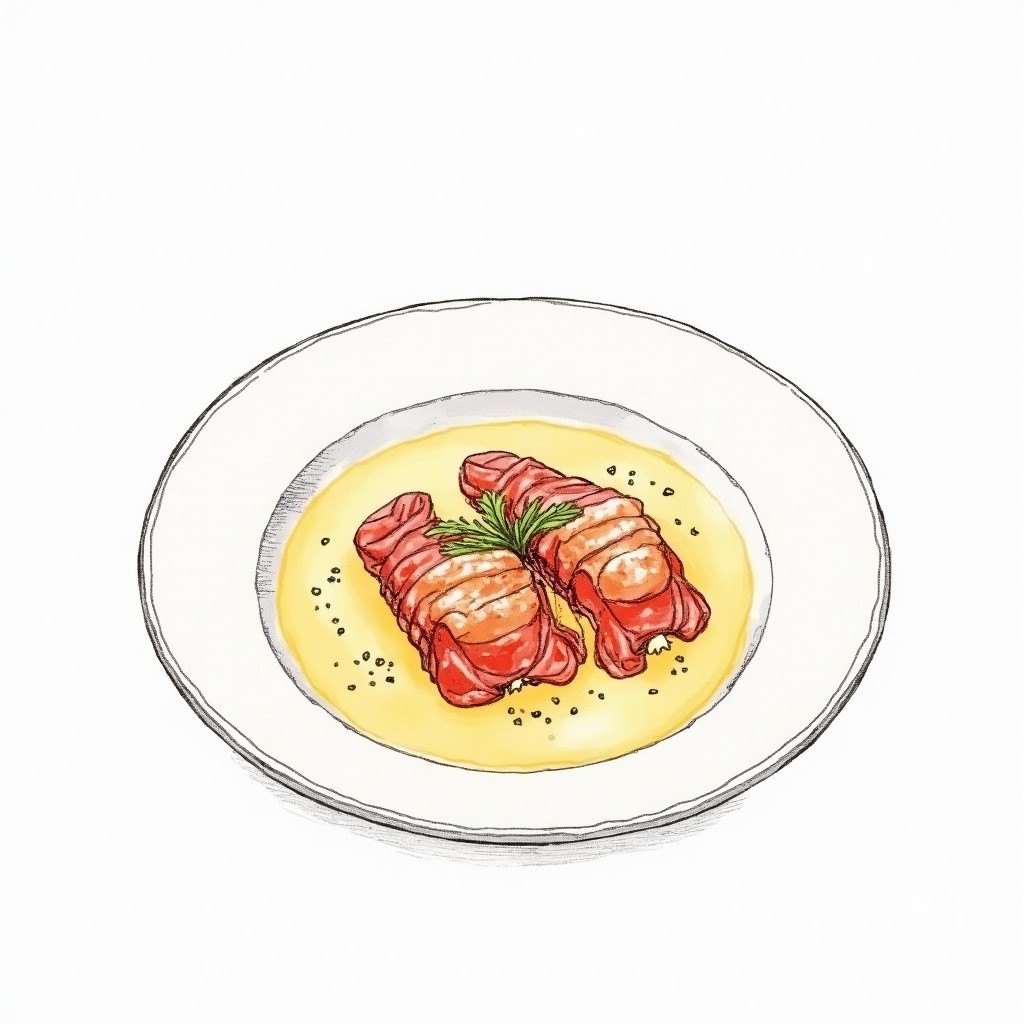
Classic Lobster Bisque
Luxurious Lobster Bisque — The Ultimate Celebration of Shell-to-Bowl Cooking
There's something deeply satisfying about transforming every part of the lobster into liquid gold. This bisque doesn't waste a single shell — they're the key to that intense, briny flavor that makes restaurant versions so memorable. The process takes time, but each step builds toward something genuinely spectacular.
Shell cookery is an art form that most home cooks abandon before they begin, intimidated by the idea of wrestling flavor from what seems like kitchen scraps. But those crushed lobster shells are your secret weapon — they contain concentrated essence that no amount of meat alone can provide. The French understood this centuries ago when they developed bisque as a way to honor every part of the lobster, transforming what might be discarded into liquid luxury.
The technique here is all about extraction and layering. Each step pulls different flavors from those shells: the initial toasting releases oils, the long simmer draws out minerals and depth, and the final straining captures every drop of that hard-won essence. It's methodical work, but the payoff is a bisque with genuine restaurant depth — the kind that makes you pause mid-spoonful.
This isn't a weeknight soup, and that's exactly the point. Lobster bisque belongs to special occasions, when you want to create something memorable and show real skill in the kitchen. The process becomes part of the celebration, filling your house with the smell of toasting shells and simmering aromatics. By the time you ladle it into bowls, you've created something that tastes like it took hours because it did.
Nutrition
Ingredients
- 2 lbwhole lobsters, cooked (about 1.5 lbs each)
- 2 tbspolive oil
- 1 largelarge onion, diced small
- 2 stalkcelery stalks, diced small
- 1 largelarge carrot, diced small
- 3 clovegarlic cloves, minced fine
- 2 tbsptomato paste
- ¼ cupbrandy or cognac
- 6 cupfish stock or good seafood stock (water works in a pinch)
- 2 bay leavesbay leaves
- 3 sprigfresh thyme sprigs
- 2 tbspall-purpose flour
- 1 cupheavy cream
- 2 tbspunsalted butter
- salt and white pepper to taste
- 1 tsppaprika for color(optional)
Instructions
- Carefully extract all the lobster meat from the shells, keeping it in large pieces when possible. Save every single shell — claws, body, legs, everything. Using a rolling pin or meat mallet, crush the shells into small pieces about the size of quarters. Don't powder them, but break them down enough to release maximum flavor.
- Heat the oil in your largest, heaviest pot over medium-high heat until shimmering. Add all the crushed shells and cook, stirring frequently, until they turn deep red and smell intensely aromatic. This toasting step is crucial — the shells should sound like they're crackling slightly as they release their oils.⏱ 5 min
- Add the diced onion, celery, and carrot to the shells, stirring to combine. Cook until the vegetables have softened and lost their raw edge — you want them tender but not browned. The shells will continue releasing flavor as the vegetables cook.⏱ 8 min
- Stir in the minced garlic and tomato paste, cooking just until the garlic becomes fragrant and the tomato paste darkens slightly. Don't let the garlic burn — it should smell sweet and mellow, not sharp.⏱ 2 min
- Pour in the brandy and let it bubble vigorously, stirring up any browned bits from the pot bottom. Cook until the alcohol smell dissipates and the liquid has reduced by about half — this concentrates the flavor and cooks off the harsh alcohol notes.⏱ 3 min
- Add the stock, bay leaves, and thyme sprigs, then bring everything to a rolling boil. Reduce heat to maintain a gentle simmer and cook uncovered, stirring occasionally. The liquid should reduce slightly and develop a deep, rich color as it extracts every bit of flavor from those shells.⏱ 45 min
- Set a fine-mesh strainer over a large bowl and pour the entire contents through it. Using the back of a ladle, press the solids firmly to extract as much liquid as possible — this is where you get the concentrated flavor. Discard the solids and return the strained liquid to your pot.
- In a small bowl, whisk the flour with about 1/4 cup of the warm bisque until completely smooth with no lumps. Pour this mixture back into the pot, whisking constantly to prevent any flour clumps from forming. This technique ensures a silky-smooth thickener.
- Bring the bisque to a gentle simmer and cook, stirring occasionally, until it coats the back of a spoon lightly. The consistency should be somewhere between a light cream soup and heavy cream — rich but not gluey.⏱ 10 min
- Remove from heat and stir in the cream, butter, and reserved lobster meat. Season generously with salt and white pepper, tasting as you go. The bisque should taste deeply of the sea with a luxurious, velvety mouthfeel. Add the paprika if you want a more vibrant color.
- Return the pot to low heat just long enough to warm the lobster meat through — don't let it boil or the cream might curdle. Ladle into warmed bowls and serve immediately while the bisque is at its silkiest.⏱ 2 min
Tips & Tricks
- Don't skip the shell-crushing step — use a rolling pin or meat mallet to break them into quarter-sized pieces, which maximizes surface area for flavor extraction.
- The shells are ready when they sound like they're crackling and smell intensely oceanic, usually about 5-6 minutes of stirring over medium-high heat.
- Press the solids hard when straining — this is where you extract the concentrated essence that makes the difference between good and great bisque.
- Add the cream off the heat to prevent curdling, then gently rewarm without boiling to keep that silky texture intact.
- Make the base a day ahead if you want — add the cream and lobster meat just before serving for the freshest flavor and texture.
Frequently Asked Questions
Can I use frozen lobster tails instead of whole lobsters?
Yes, but you'll need to buy additional shells from your fishmonger for the base. Frozen tails don't provide enough shell material for proper flavor extraction — you need about 2 pounds of shells total for this recipe.
What can I substitute for brandy?
Dry sherry or cognac work well, or you can use white wine in a pinch. The alcohol helps extract flavors and adds depth, but skip it entirely rather than using cooking wine.
How long will this keep and can I freeze it?
The bisque keeps for 3 days refrigerated, but add the cream and lobster meat fresh when reheating. You can freeze the base (before adding cream) for up to 3 months, though the texture may be slightly less silky.
Why did my bisque turn out grainy?
Usually this means the flour wasn't mixed smoothly before adding, or the bisque boiled after adding the cream. Whisk the flour with warm liquid first, and never let it boil once the dairy goes in.
Can I make this without fish stock?
Water works fine since the shells provide most of the seafood flavor. If you have shrimp shells in your freezer, simmer those in water for 20 minutes to make a quick stock substitute.