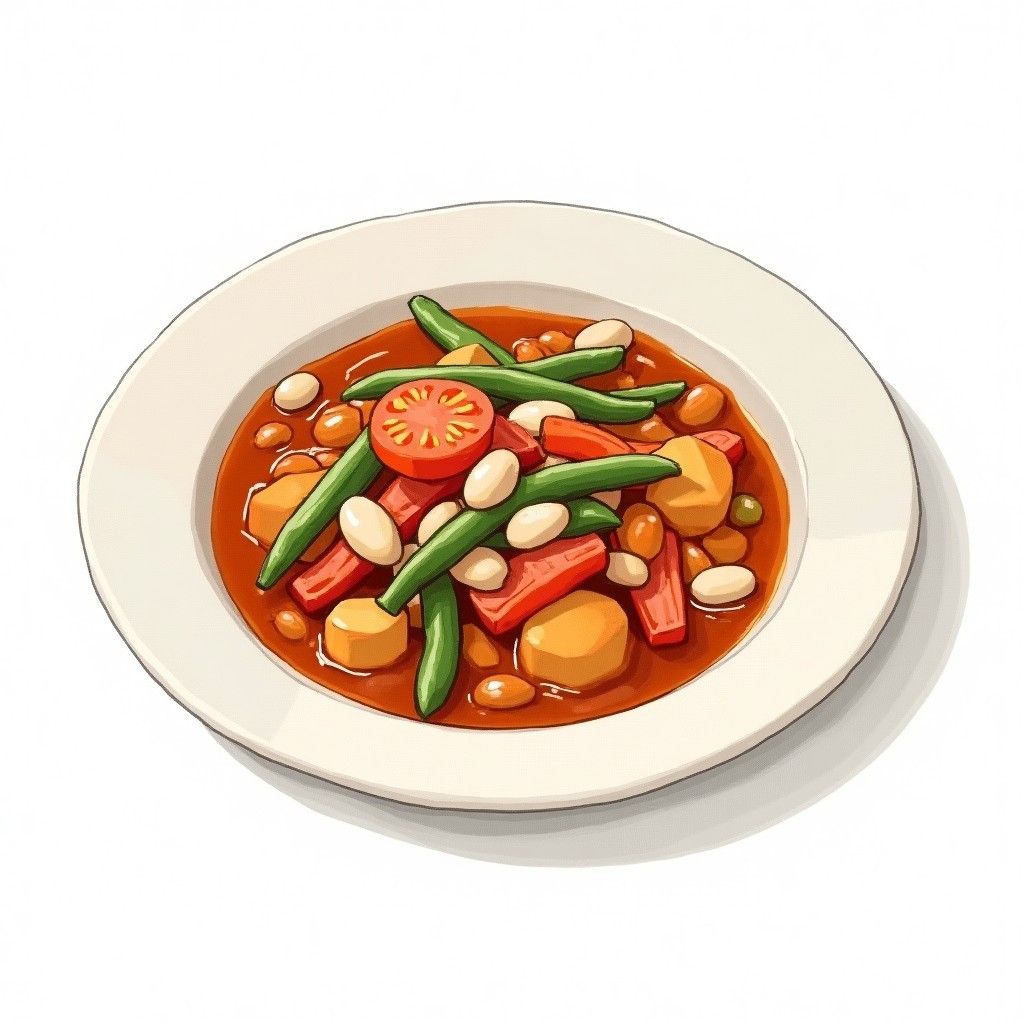
Classic Italian Minestrone Soup
Garden-Fresh Italian Minestrone with Cannellini Beans
This minestrone captures the essence of Italian home cooking — vegetables that sing together in harmony, beans that add heartiness without heaviness, and pasta that makes every spoonful satisfying. It's the kind of soup that gets better as it sits, developing deeper flavors with each passing hour.
Walk into any Italian kitchen during soup season and you'll likely find a pot of minestrone simmering quietly on the stove, filling the house with the kind of aroma that makes everyone linger a little longer at the table. This isn't the watery, sad excuse for minestrone you might remember from cafeteria lunches — it's the real thing, built on a foundation of properly cooked vegetables and finished with beans that have had time to absorb every bit of flavor from the broth.
What makes this version sing is the timing. The vegetables go in stages, each added when it needs to be to reach perfect doneness together. The soffritto — that holy trinity of onion, carrot, and celery — gets its time to develop sweetness before anything else joins the pot. The tomatoes cook down until they lose their harsh edge, and the beans simmer long enough to become creamy while still holding their shape.
Minestrone is forgiving in the way that all great peasant dishes are, but it's not careless. Each vegetable contributes something specific to the final bowl: the beans provide protein and substance, the greens add color and minerals, and the pasta transforms it from side dish to meal. This is the kind of soup that Italian nonnas have been perfecting for generations — simple ingredients treated with respect, nothing wasted, everything in harmony.
Nutrition
Ingredients
- 3 tbspextra-virgin olive oil
- 1 largelarge yellow onion, diced
- 2 medium carrots, diced
- 2 celery stalks, diced
- 3 clovegarlic cloves, minced
- 1 can (14.5 oz)canned diced tomatoes (14.5 oz)
- 8 cupgood-quality vegetable broth
- 1 can (15 oz)cannellini beans (15 oz), drained and rinsed
- 1 can (15 oz)kidney beans (15 oz), drained and rinsed
- 1 cupfresh green beans, trimmed and cut into 1-inch pieces
- 1 mediummedium zucchini, diced
- 2 cupfresh baby spinach, roughly chopped
- 1 cupsmall pasta such as ditalini or elbow macaroni
- 2 tbspfresh basil leaves, chopped
- 1 tbspfresh oregano, chopped
- 1 tspkosher salt
- ½ tspfreshly ground black pepper
For serving
- freshly grated Parmesan cheese(optional)
Instructions
- Pour the olive oil into a large, heavy pot and set over medium heat. You want the oil warm but not smoking — it should shimmer gently when ready.
- Drop in the diced onion, carrots, and celery, stirring to coat with oil. Let them cook until they've softened and the onion turns translucent, stirring every few minutes to prevent sticking. This soffritto base is crucial for building flavor.⏱ 8 min
- Stir in the minced garlic and let it cook just until aromatic — you'll smell it immediately. Don't let it brown or it'll turn bitter.⏱ 1 min
- Pour in the diced tomatoes along with their juices. Use your spoon to break up any large pieces as they cook down and concentrate. The tomatoes should lose their raw edge and start to meld with the vegetables.⏱ 5 min
- Add the vegetable broth, cannellini beans, kidney beans, and fresh green beans. Increase the heat and bring the mixture to a rolling boil, then you'll adjust the temperature in the next step.
- Lower the heat to medium-low and let the soup simmer gently. The beans will absorb flavor while the green beans become tender. Keep the pot partially covered to prevent too much evaporation.⏱ 15 min
- Add the diced zucchini and pasta to the pot. Cook until the pasta reaches al dente — it should have a slight bite since it'll continue cooking slightly in the hot broth. Stir occasionally to prevent sticking.⏱ 8 min
- Fold in the chopped spinach, fresh basil, oregano, salt, and pepper. The spinach will wilt quickly in the hot soup, so stir gently until it's just wilted and bright green.⏱ 2 min
- Taste and adjust the seasoning — you might need more salt or pepper depending on your broth. Ladle into bowls and top with freshly grated Parmesan cheese if desired. The soup improves with time, so leftovers are a blessing.
Tips & Tricks
- Don't skip the soffritto step — those eight minutes of gently cooking the onion, carrot, and celery creates the flavor foundation that makes this soup taste authentic.
- Add the pasta directly to the soup rather than cooking it separately; it absorbs flavor and releases starch that naturally thickens the broth.
- If your soup gets too thick as it sits (and it will), thin it with more broth rather than water to maintain the rich flavor.
- Fresh herbs make a real difference here — dried oregano and basil will work, but use half the amount and add them earlier in the cooking process.
- Save any Parmesan rinds in your freezer and toss one into the pot while the soup simmers for extra umami depth.
Frequently Asked Questions
Can I use different beans in this recipe?
Absolutely — great northern beans, navy beans, or even chickpeas work well. Just stick with two varieties for texture contrast, and if using dried beans, cook them separately first since they take much longer than the vegetables.
How long will this soup keep in the fridge?
It stays good for up to 5 days refrigerated, though you'll need to add more broth when reheating since the pasta continues absorbing liquid. The flavors actually improve after a day or two.
What if I don't have fresh green beans?
Frozen green beans work fine — just add them directly to the pot without thawing. You can also substitute with fresh or frozen peas, broccoli florets, or even diced bell peppers.
Can I make this soup ahead of time?
Yes, but cook it without the pasta and spinach. Add those ingredients when you reheat so the pasta doesn't get mushy and the spinach stays bright green.