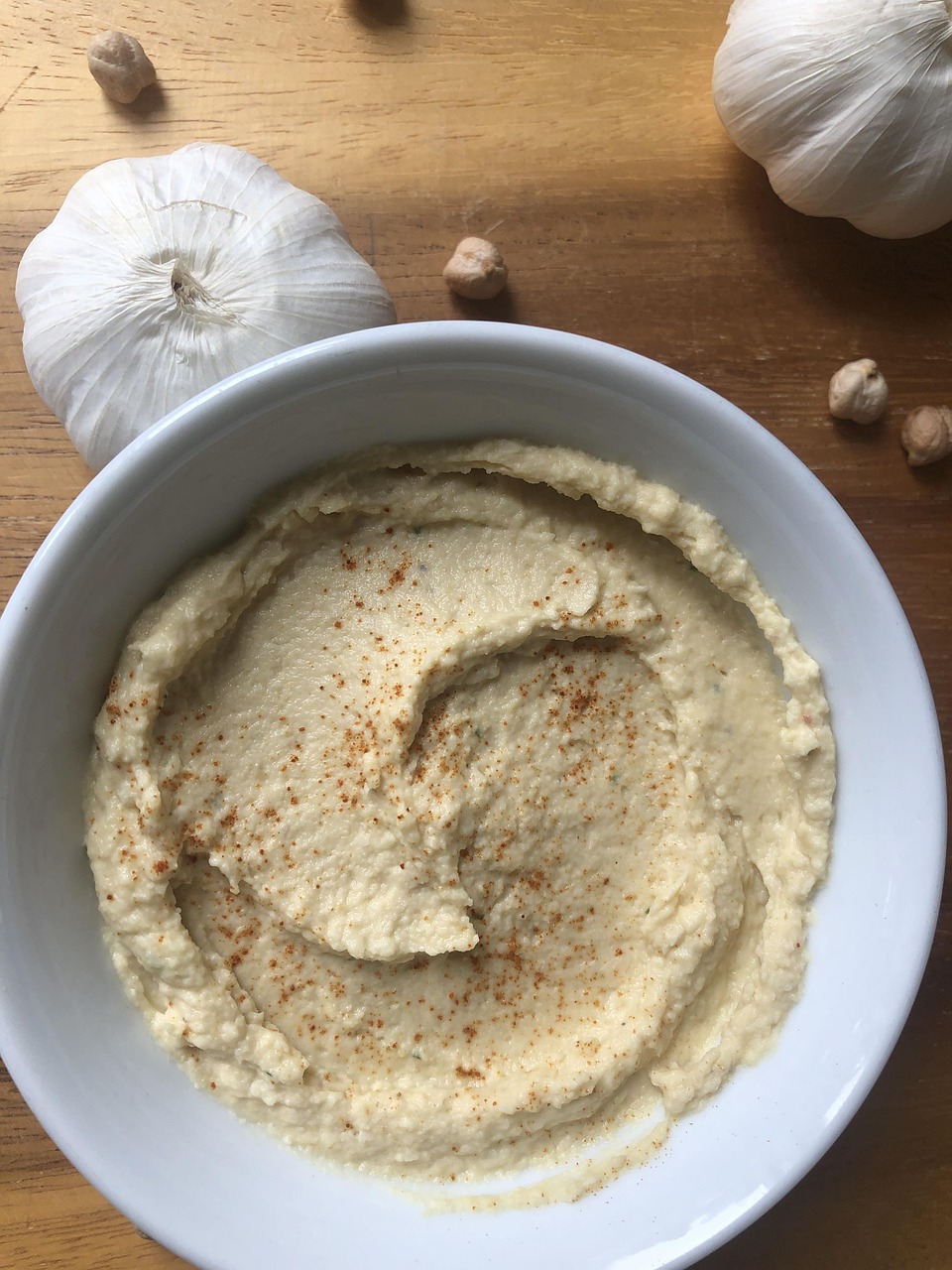
Classic Hummus
Silky Restaurant-Style Hummus
There's a reason restaurant hummus tastes different from the grainy stuff at home — it's all about technique. Proper processing transforms humble chickpeas into something luxuriously smooth, with tahini and lemon juice creating the perfect tangy backdrop.
Most people think the difference between restaurant hummus and homemade comes down to special ingredients or secret recipes. The truth is simpler: it's processing time. That velvety, almost mousse-like texture that makes restaurant hummus so irresistible happens when you push your food processor past what feels reasonable — well beyond the point where most home cooks stop.
The traditional Middle Eastern approach involves peeling chickpeas by hand, a meditative but time-consuming process that removes the skins for ultimate smoothness. This version achieves similar results through extended processing instead, letting the machine do the work of breaking down those fibrous bits that create graininess. The key is patience and the right liquid temperature — cold water helps the tahini emulsify properly rather than seizing up.
What emerges after several minutes of processing is genuinely transformative. The chickpeas lose their individual identity and become part of something cohesive and silky, while the tahini binds everything together with its nutty richness. This isn't just mashed chickpeas with tahini stirred in — it's an emulsion that coats a spoon and spreads like butter.
Nutrition
Ingredients
- 1 canchickpeas, drained and rinsed (reserve a few tablespoons liquid if possible)
- 3 tbsptahini, well-stirred
- 2 tbspfresh lemon juice
- 2 clovegarlic cloves, minced
- ½ tspfine sea salt
- 3 tbspcold water
For serving
- 2 tbspextra virgin olive oil for drizzling(optional)
- ¼ tsppaprika for sprinkling(optional)
Instructions
- Add the chickpeas, tahini, lemon juice, minced garlic, and salt to your food processor. Make sure the tahini is well-stirred before measuring — it separates naturally and needs mixing to be smooth.
- Pulse and then process continuously until you have a thick, somewhat coarse paste. It won't be smooth yet, but you want everything well combined and the chickpeas mostly broken down.⏱ 1 min
- With the processor running, slowly drizzle in the cold water. Keep processing until the hummus transforms into something genuinely creamy — this takes patience, but you'll know when it happens. The texture should be smooth enough to spread easily.⏱ 2 min
- Stop and taste for seasoning. Add more salt if it tastes flat, or more lemon juice if it needs brightness. The flavor should be balanced but vibrant.
- Scoop into a shallow serving bowl and use the back of a spoon to create gentle swirls on the surface. Drizzle with olive oil and dust with paprika before serving.
Tips & Tricks
- Process for at least 3-4 minutes after adding the water — the texture change happens gradually, then all at once when the proteins fully break down.
- Make sure your tahini is fresh and well-stirred; separated or bitter tahini will give you grainy, unpleasant results no matter how long you process.
- Add the water slowly while the processor runs — dumping it in all at once can cause the mixture to seize instead of becoming creamy.
- Hummus thickens as it sits, so if serving later, thin it back out with a tablespoon of cold water and a quick stir.
- For extra richness, substitute 1-2 tablespoons of the cold water with ice cubes — the extra cold helps create an even silkier texture.
Frequently Asked Questions
Can I use dried chickpeas instead of canned?
Yes, but cook them until they're very soft — firmer beans won't break down properly. Use about 1/2 cup dried chickpeas, soaked overnight and cooked until they practically fall apart when pressed.
Why is my hummus still grainy after processing?
Keep going — most home cooks stop too early. Process for a full 3-4 minutes after adding water, scraping down sides as needed. If it's still grainy, your tahini may be old or your chickpeas weren't soft enough.
How long does homemade hummus keep?
It'll stay fresh in the refrigerator for up to a week in an airtight container. The flavors actually improve after a day, though you may need to stir in a little water if it thickens.
Can I make this without tahini?
Technically yes, but it won't be true hummus — tahini provides both the nutty flavor and helps create that creamy texture. You could substitute with well-stirred natural peanut butter for a different but still creamy result.