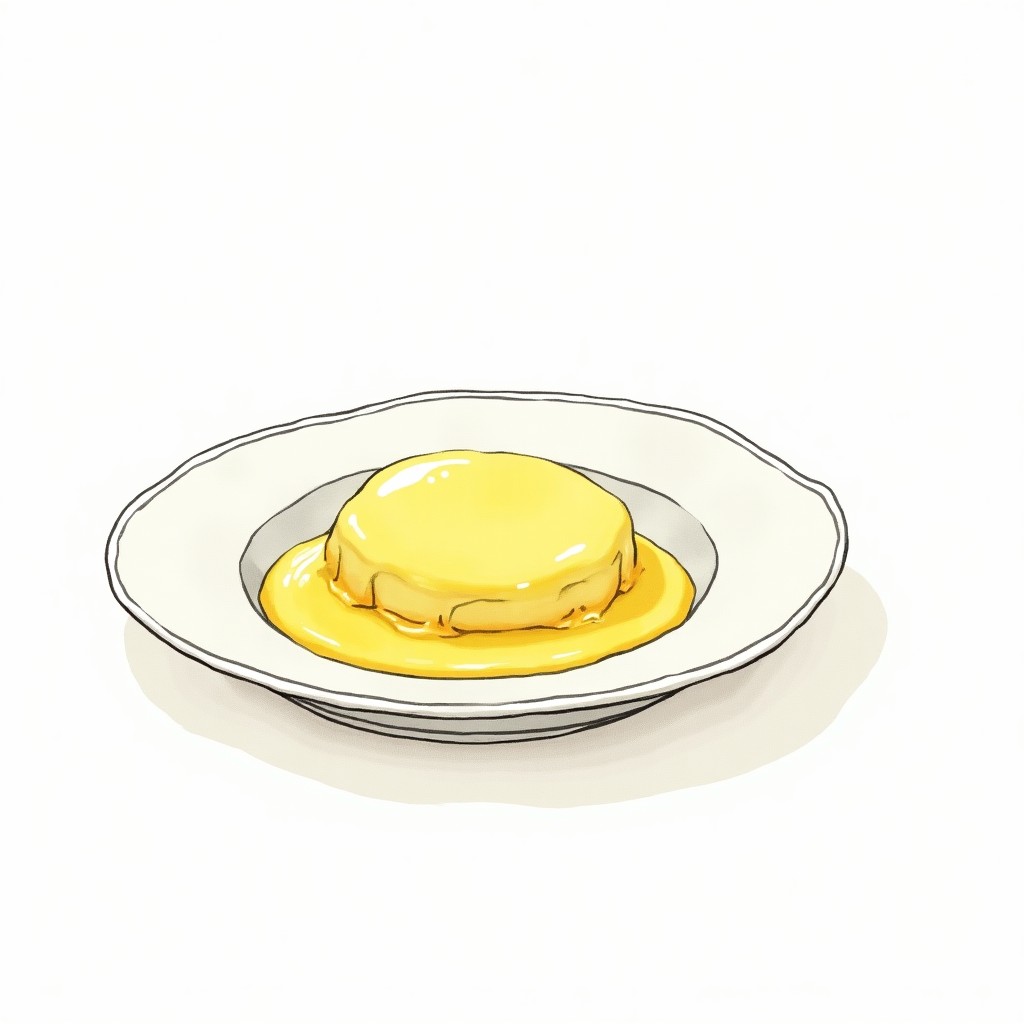
Classic Hollandaise Sauce
Silky French Hollandaise Sauce
This elegant emulsion is all about temperature control and steady hands — master the gentle heat and patient whisking, and you'll have a velvety sauce that transforms everything it touches. The key is building the emulsion slowly, letting each drizzle of butter find its place before adding more.
Most sauce-making disasters happen in the first thirty seconds, when impatient cooks try to rush what needs patience. Hollandaise earned its reputation as a temperamental sauce not because it's particularly difficult, but because it punishes speed and rewards steady hands.
The French developed this mother sauce as part of their systematic approach to building flavor through technique rather than ingredients. At its core, hollandaise is just egg yolks, butter, and acid transformed into silk through controlled heat and constant motion. The magic happens when the lecithin in the egg yolks binds with the fat in the butter, creating an emulsion that's both rich and light.
What makes hollandaise special isn't just its luxurious texture — it's the way it amplifies whatever it touches. Asparagus becomes elegant, eggs Benedict reaches its full potential, and even simple steamed vegetables turn into something worthy of a dinner party. The sauce asks for your attention while you make it, but gives back that investment in every spoonful.
Nutrition
Ingredients
- 3 largelarge egg yolks, room temperature preferred
- 2 tbspfresh lemon juice, strained
- ½ cupunsalted butter, European-style if available
- ¼ tspfine sea salt
- cayenne pepper, pinch(optional)
Instructions
- Gently melt the butter in a small saucepan over low heat, letting it become completely liquid without browning. You want pure, golden butter — any sizzling means the heat is too high.⏱ 2 min
- In a heatproof bowl, whisk the egg yolks and lemon juice together until the mixture lightens to a pale yellow and feels slightly thicker on the whisk. This initial mixing is what gives you the base for emulsification.⏱ 1 min
- Set the bowl over a saucepan of barely simmering water — the water should not touch the bowl's bottom. Whisk the yolk mixture constantly in smooth, steady strokes until it thickens enough that you can draw a line across the back of a spoon with your finger and it holds for a second.⏱ 3 min
- Lift the bowl from the heat and begin adding the warm butter in the thinnest stream you can manage, whisking vigorously without stopping. If the butter pools instead of incorporating, you're going too fast — the emulsion needs time to accept each addition.⏱ 2 min
- Taste and adjust with salt and a light dusting of cayenne if using. Hollandaise waits for no one — serve immediately while it's warm and silky.
Tips & Tricks
- Keep your butter warm but not hot — if it's too cool, it won't incorporate smoothly, but if it's too hot, it will cook the egg yolks and break the emulsion.
- The bowl should be warm to the touch but not hot enough to scramble eggs; if the water underneath is boiling hard, turn it down to the gentlest simmer.
- If your hollandaise breaks, don't panic — whisk a fresh egg yolk in a clean bowl and slowly drizzle the broken sauce into it while whisking constantly.
- Make hollandaise just before serving; it doesn't hold well and can't be reheated successfully without breaking.
- A broken sauce often means you added the butter too quickly — next time, aim for a stream so thin it almost looks like you're adding it drop by drop.
Frequently Asked Questions
Can I make hollandaise ahead of time?
Hollandaise is best made fresh and served immediately. It can sit in a warm spot for about 30 minutes, but any longer and it will likely break or become unsafe to eat due to the raw egg yolks.
What can I substitute for butter?
Traditional hollandaise requires butter for both flavor and emulsification properties. Margarine won't give the same rich taste, and olive oil will create a completely different sauce with a much thinner consistency.
Why did my hollandaise curdle or separate?
The most common causes are adding butter too quickly, having the eggs too hot, or using butter that's either too hot or too cold. The emulsion needs gentle heat and gradual incorporation to stay smooth.
Can I use bottled lemon juice instead of fresh?
Fresh lemon juice gives the brightest flavor and best acidity balance. Bottled juice will work in a pinch, but start with less since it can be more concentrated and harsh-tasting than fresh.