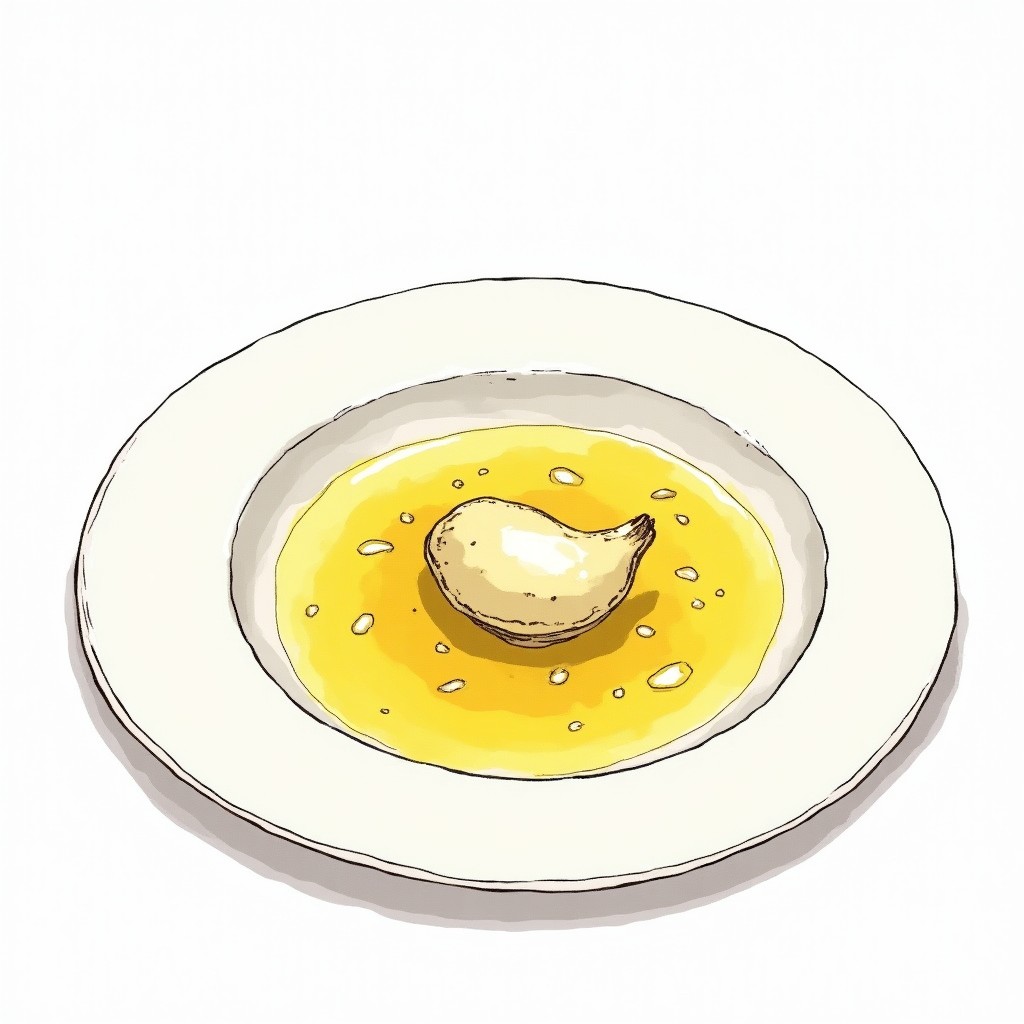
Classic French Vinaigrette
Perfect French Vinaigrette Every Time
A proper French vinaigrette is the foundation of great salads — sharp vinegar balanced with Dijon's tang, then unified with golden olive oil into silky perfection. Master this classic technique and you'll never buy bottled dressing again.
At its heart, vinaigrette is an impossibility — oil and vinegar don't mix. They sit in separate layers like strangers at a party, until you introduce them to Dijon mustard. That single teaspoon contains natural lecithin, the matchmaker that convinces these opposites to dance together in perfect suspension.
The French have been making this alchemy work for centuries, not because they had secret ingredients, but because they understood the technique. The key isn't what you put in the bowl — it's how you coax those liquids into cooperation. Rush the oil and you'll get broken puddles. Add it patiently, whisking like you mean it, and you'll watch separate elements transform into something golden and unified.
Once you nail this basic ratio and technique, you own the template for countless variations. A splash of shallot vinegar here, a whisper of honey there, maybe some fresh herbs from the garden. But start here, with this clean, sharp classic that lets you taste exactly what good olive oil and proper technique can accomplish together.
Nutrition
Ingredients
- 2 tbspred wine vinegar, good quality
- 1 tspDijon mustard, smooth variety
- 1 small clovegarlic clove, small and finely minced(optional)
- 6 tbspextra virgin olive oil, fruity and peppery
- salt, fine sea salt preferred
- black pepper, freshly ground
Instructions
- Combine the vinegar, mustard, and garlic (if using) in a small bowl and whisk vigorously until completely smooth. The mustard acts as an emulsifier, so beat it well to activate its binding power.
- Begin adding the olive oil in the thinnest stream possible while whisking constantly — we're talking droplets at first, then a pencil-thin drizzle. Watch the mixture transform from separate liquids into a unified, glossy emulsion that coats your whisk.
- Taste and adjust with pinches of salt and fresh pepper until the flavors sing in harmony — you want bright acidity balanced by the oil's richness. The vinaigrette should taste bold enough to enhance, not overpower, your greens.
- Dress your salad immediately for the best texture, or transfer to a jar and refrigerate for up to a week. If it separates during storage, just shake vigorously or re-whisk before using — the emulsion will come right back together.
Tips & Tricks
- The thinner you stream the oil, the more stable your emulsion will be — aim for droplets at first, then gradually increase to a pencil-thin pour.
- Room temperature ingredients emulsify more easily than cold ones, so let your olive oil sit out for 10 minutes if it's been in a cool pantry.
- If your vinaigrette breaks, start fresh with just the mustard in a clean bowl and slowly whisk the broken mixture back in like you're adding oil.
- For make-ahead convenience, double or triple the recipe and store it in a jar — it keeps perfectly in the fridge and just needs a good shake to reunite.
- Dress your salad just before serving and use only what you need — overdressed greens turn soggy and sad within minutes.
Frequently Asked Questions
Can I use white wine vinegar instead of red wine vinegar?
Absolutely — white wine vinegar works beautifully and creates a slightly more delicate flavor. You can also try champagne vinegar for something extra elegant, or even apple cider vinegar for a touch more sweetness.
My vinaigrette separated in the fridge — is it ruined?
Not at all — separation is completely normal when vinaigrette sits. Just shake the jar vigorously or re-whisk in a bowl, and the emulsion will come right back together good as new.
How long does homemade vinaigrette last?
It keeps beautifully in the refrigerator for up to a week, sometimes longer. The acid in the vinegar actually helps preserve the mixture, just like it does in pickling.
Can I make this without mustard?
You can skip the mustard, but you'll lose the emulsifying power that keeps everything together. The result will be more like a broken vinaigrette that needs constant stirring, rather than a smooth, unified dressing.