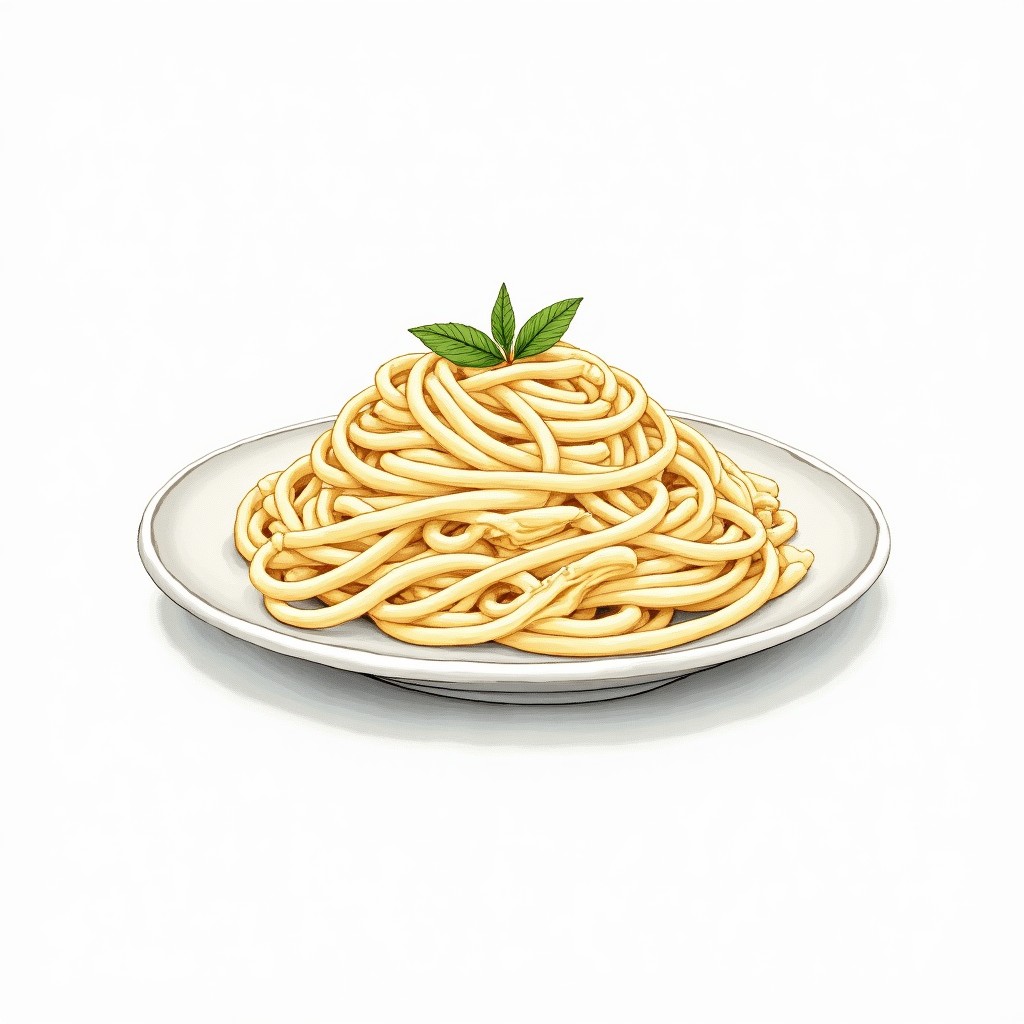
Classic Fettuccine Alfredo
Restaurant-Quality Fettuccine Alfredo
The secret to great Alfredo isn't just dumping cream and cheese together — it's about creating an emulsion that clings to every strand of pasta. This version builds the sauce properly in stages, resulting in that glossy, luxurious coating that stays put on your fork.
Most Alfredo you encounter is either a gluey mess or a thin, broken sauce that slides right off the pasta. The real thing — creamy, glossy, and clinging to every strand like silk — requires understanding the science behind the emulsion. It's not about drowning pasta in cream and cheese; it's about coaxing those ingredients into a unified sauce that becomes one with the noodles.
This technique builds the sauce in careful stages, using residual heat and pasta water to create the proper texture. The key moment happens off the heat, when you work the cheese into the warm cream base with vigorous tossing. Done right, you'll see the sauce transform from separate components into something that catches the light and moves like liquid velvet.
The dish originated in Rome, where it was traditionally made with just butter, cheese, and pasta water — no cream at all. This version adds cream for richness and forgiveness, making it more approachable for home cooks while maintaining that essential silky quality that separates restaurant-quality Alfredo from the heavy, separated versions that give the dish a bad name.
Nutrition
Ingredients
- 1 lbfettuccine pasta, preferably fresh or high-quality dried
- 6 tbspunsalted European-style butter
- 1 cupheavy cream, at room temperature
- 1½ cupfreshly grated Parmigiano-Reggiano, at room temperature
- kosher salt
- freshly cracked black pepper
- freshly grated nutmeg(optional)
Instructions
- Fill your largest pot with water and season it well with salt — it should taste like mild seawater. Bring to a rolling boil over high heat.
- Drop the fettuccine into the boiling water and stir immediately to prevent sticking. Cook according to package directions until just al dente — it should still have a slight bite since it'll finish cooking in the sauce.⏱ 10 min
- While the pasta cooks, melt the butter in your largest skillet over medium-low heat. Watch for it to foam and subside — you want melted butter, not browned butter.
- Pour in the cream and let it simmer very gently — just tiny bubbles around the edges. This gentle heat prevents the cream from breaking and creates a smooth base for the cheese.⏱ 2 min
- Before draining the pasta, ladle out a full cup of the starchy cooking water and set it aside. This liquid gold will help bind your sauce. Drain the pasta quickly but don't rinse.
- Immediately transfer the hot, dripping pasta to the skillet with the cream mixture. Use tongs to toss everything together, coating each strand with the warm cream.
- Pull the skillet off the heat completely. Now add the Parmigiano-Reggiano in three additions, tossing vigorously with tongs after each addition. The residual heat will melt the cheese into a silky sauce.
- If the sauce seems tight or clumpy, splash in pasta water a few tablespoons at a time, tossing constantly. You want a glossy sauce that moves like silk and coats the pasta completely.
- Taste and adjust with salt and pepper — remember that Parmesan is already salty. A light grating of nutmeg adds traditional warmth if you're using it.
- Plate immediately in warmed bowls and pass extra grated Parmigiano-Reggiano at the table. Alfredo waits for no one — serve it hot and eat it fast.
Tips & Tricks
- Use the largest skillet you have — the pasta needs room to move freely when you're tossing it with the sauce, and a cramped pan makes it harder to achieve that smooth emulsion.
- Grate your Parmigiano-Reggiano fresh from a wedge; pre-grated cheese contains anti-caking agents that prevent smooth melting and can make your sauce grainy.
- Keep the cream at just barely a simmer — aggressive bubbling will cause it to separate and you'll end up with broken, oily pools instead of a smooth base.
- Add the cheese off the heat and work fast with your tongs; the residual heat is enough to melt it properly without overcooking and causing the proteins to seize up.
- If your sauce breaks despite your best efforts, return the pan to very low heat and whisk in pasta water a tablespoon at a time until it comes back together.
Frequently Asked Questions
Can I use half-and-half instead of heavy cream?
Heavy cream works best because its higher fat content creates a more stable emulsion. Half-and-half can work in a pinch, but the sauce will be thinner and more prone to breaking when you add the cheese.
Why does my Alfredo sauce always turn out clumpy?
This usually happens when the cheese is added over direct heat or when the cream gets too hot. Pull the pan completely off the heat before adding cheese, and make sure your cream is just barely simmering, not rapidly boiling.
Can I make this ahead of time?
Alfredo is best served immediately since cream sauces don't reheat well — they tend to separate. If you must make it ahead, undercook the pasta slightly and store everything separately, then combine in a skillet with a splash of pasta water when reheating.
What's the best way to reheat leftover Alfredo?
Add a few tablespoons of milk or cream to the cold pasta and reheat gently in a skillet over low heat, tossing constantly. The extra liquid helps re-emulsify the sauce as it warms.