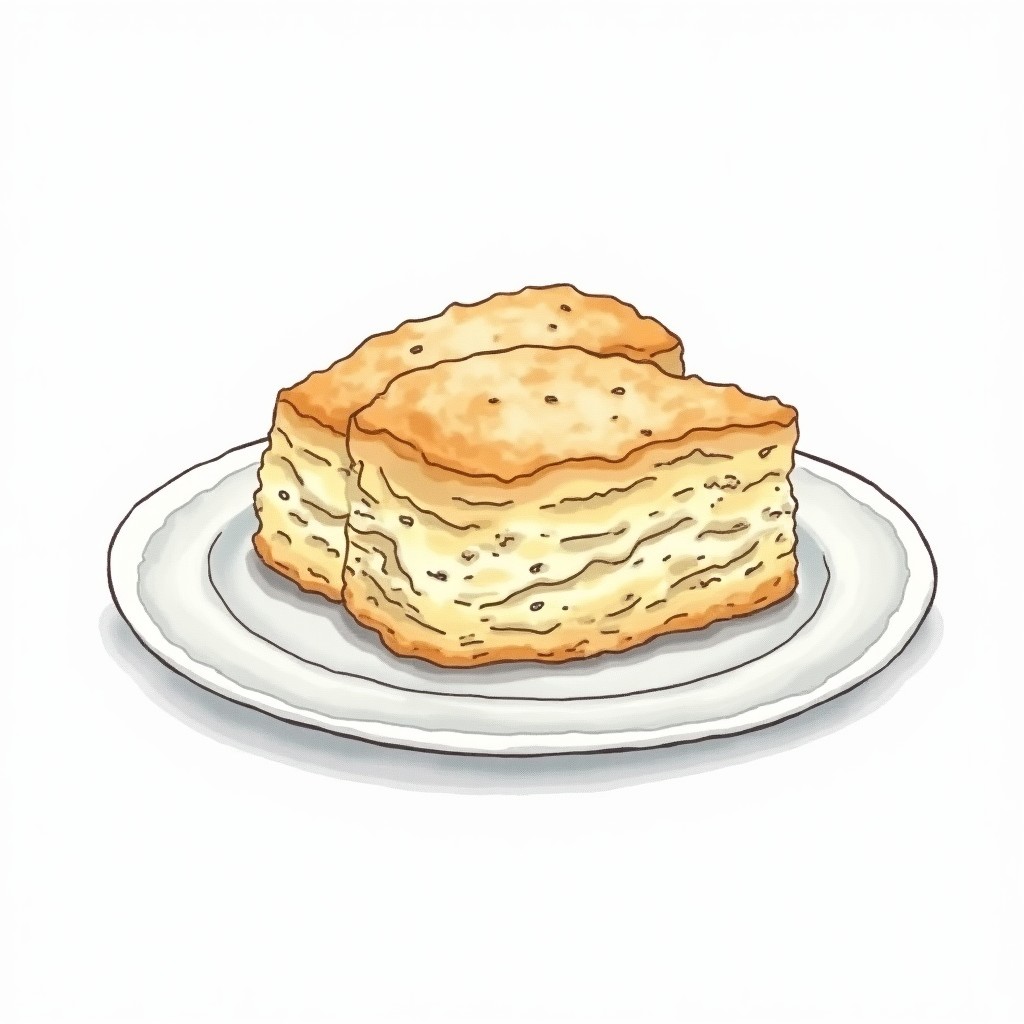
Classic Buttermilk Scones
Buttermilk Scones That Actually Taste Like Something
Here's the thing about scones — most are dry, flavorless doorstops that need jam to be edible. These aren't those scones. The buttermilk gives them a subtle tang and keeps the crumb impossibly tender, while proper technique creates layers that split apart beautifully when you break them open.
The British have been making scones for centuries, but somewhere along the way, many lost sight of what makes them good. Real scones aren't the crumbly, flavorless things you find at most coffee shops — they're tender, with just enough structure to split cleanly when you pull them apart with your fingers.
Buttermilk is the secret weapon here. Its acidity reacts with the baking powder to create extra lift, while the slight tang balances the richness of the butter. More importantly, it keeps the crumb moist without making the dough sticky or hard to handle. The key is keeping everything cold — cold butter creates steam pockets as it melts, and cold buttermilk slows gluten development so your scones stay tender.
These work just as well at breakfast with jam and cream as they do alongside a hearty soup or stew. The beauty is in their restraint — they're flavorful enough to eat plain, but neutral enough to pair with both sweet and savory accompaniments. That's exactly what a proper scone should do.
Nutrition
Ingredients
- 2 cupall-purpose flour
- 2 tbspgranulated sugar
- 1 tbspbaking powder, fresh for best rise
- ½ tspfine salt
- 6 tbspunsalted butter, cold from the fridge and cubed
- ¾ cupbuttermilk, cold and well-shaken
- 2 tbspheavy cream for brushing tops
Instructions
- Get your oven heating to 425°F and line a baking sheet with parchment paper. This high heat creates steam quickly, which gives you those flaky layers.
- Whisk together the flour, sugar, baking powder, and salt in a large bowl until evenly combined. No lumps of baking powder hiding anywhere — they'll create bitter pockets.
- Add the cold butter cubes and work them into the flour using a pastry cutter or your fingertips. Stop when you have a mixture that looks like coarse meal dotted with pea-sized butter pieces — these butter bits will create steam pockets and flaky layers.
- Create a well in the center of your flour mixture and pour in the cold buttermilk all at once. Using a fork, gently stir from the outside in until the dough just barely holds together. It should look shaggy and a bit rough — overmixing kills the tenderness.
- Dump the dough onto a lightly floured surface and knead it gently just 2-3 times — enough to bring it together but not enough to develop gluten. Your hands should barely touch it.
- Pat the dough into an 8-inch circle that's about ¾-inch thick. Use your palms, not a rolling pin — you want to keep those butter pieces intact for maximum flakiness.
- Use a sharp knife or bench scraper to cut the circle into 8 equal wedges, like you're cutting a pizza. Clean cuts help the scones rise evenly without sealed edges.
- Transfer each wedge to your prepared baking sheet, leaving about 2 inches between them. They'll puff as they bake and you don't want them sticking together.
- Brush the tops with heavy cream — this gives you that beautiful golden color and helps any toppings stick if you want to add them later.
- Bake until the tops and bottoms are golden brown and the scones feel set when you gently press the sides. They should sound slightly hollow when tapped.⏱ 18 min
- Let them rest on the baking sheet for 5 minutes — this brief cooling keeps them from falling apart when you move them, but they're still warm enough to melt butter.⏱ 5 min
Tips & Tricks
- Keep your butter cold right up until you mix it in — pop the cubes in the freezer for 10 minutes if your kitchen is warm.
- Don't skip the heavy cream brush on top; it's what gives you that beautiful golden color and slight richness.
- Cut straight down with your knife — don't twist or saw, which can seal the edges and prevent proper rising.
- These are best eaten within 6 hours of baking, but they freeze beautifully for up to 3 months if wrapped individually.
- If you don't have buttermilk, add 1 tablespoon of lemon juice to ¾ cup regular milk and let it sit for 5 minutes.
Frequently Asked Questions
Can I add dried fruit or other mix-ins?
Absolutely — fold in up to ⅓ cup of currants, dried cranberries, or chopped herbs after adding the buttermilk. Don't add more or the dough becomes too wet and won't hold together properly.
Why are my scones dense instead of flaky?
Usually it's from overworking the dough or using butter that's too warm. The dough should look rough and shaggy, not smooth, and you should still see visible butter pieces before baking.
Can I make the dough ahead of time?
Yes, but it's better to shape and cut them first, then freeze the wedges on a tray. Bake them straight from frozen, adding 2-3 extra minutes to the cooking time.
What's the best way to reheat leftover scones?
Wrap them in foil and warm in a 300°F oven for 8-10 minutes. The microwave makes them tough and chewy.