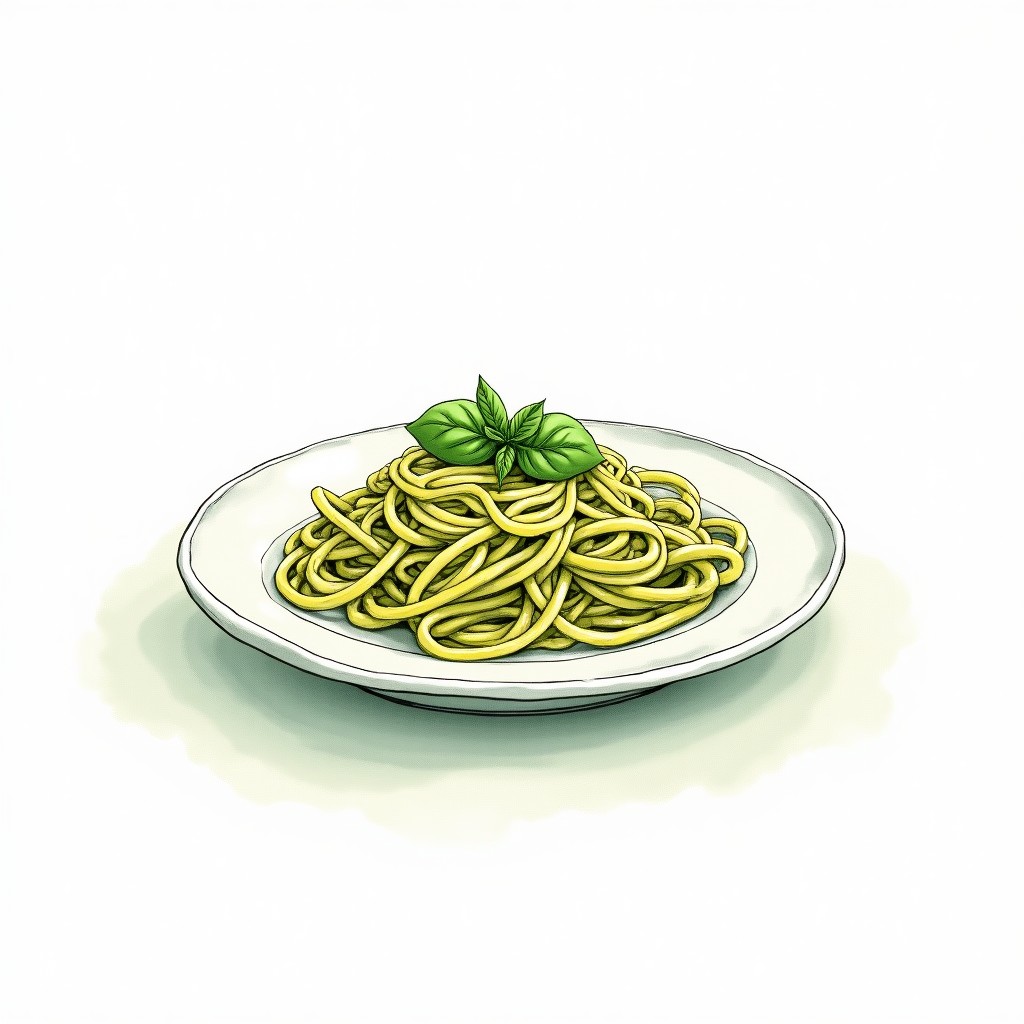
Classic Basil Pesto Pasta
Homemade Basil Pesto Pasta — Garden-Fresh Sauce That Puts Store-Bought to Shame
Real pesto starts with a mortar and pestle, but a food processor delivers the same vibrant results in half the time. Toasted pine nuts add richness while good olive oil brings everything together into a sauce that coats each strand of pasta like silk.
Real pesto betrays its presence before you even see it — that unmistakable perfume of bruised basil and sharp cheese drifting from the kitchen. I used to think the jarred versions were acceptable shortcuts until I made my first batch from scratch and understood what I'd been missing all along.
This isn't about food processor versus mortar and pestle debates (though both work beautifully). It's about understanding that pesto is essentially an emulsion, like mayonnaise made with herbs instead of eggs. The basil provides body, the cheese adds salt and funk, and the olive oil binds everything into something greater than its parts. Pine nuts contribute a buttery richness that makes sense of the whole combination.
The technique matters more than you'd expect. Toasting the pine nuts awakens their oils and prevents that raw, sometimes bitter edge. Processing in stages — dry ingredients first, oil drizzled slowly — creates the proper texture. And that splash of pasta water at the end? It's the difference between pesto sitting on top of your noodles and actually becoming one with them.
Nutrition
Ingredients
- 1 lblinguine or spaghetti
- 2 tbsppasta cooking water, reserved
Pesto
- 2 cupfresh basil leaves, packed tight
- 3 clovegarlic cloves
- ¼ cuppine nuts
- ¾ cupextra virgin olive oil
- ¾ cupParmigiano-Reggiano cheese, freshly grated
- 1 tspsalt
- ¼ tspblack pepper, freshly ground
Instructions
- Fill a large pot with water, salt it generously, and bring to a vigorous boil over high heat. The water should taste like mild seawater — this seasons the pasta from the inside out.⏱ 10 min
- Heat a dry skillet over medium heat and add the pine nuts. Stir them constantly as they toast, watching for an even golden color that takes about 5 minutes. They can go from perfect to burnt quickly, so stay close.⏱ 5 min
- Drop the pasta into the boiling water and cook according to the package timing for al dente — usually 10-12 minutes. You want it tender but with a slight bite in the center.⏱ 12 min
- Pulse the basil, garlic, toasted pine nuts, and salt in a food processor until everything is roughly chopped. Don't over-process — you want texture, not powder.
- With the processor running, drizzle in the olive oil in a thin, steady stream. Let it run until the mixture forms a smooth, thick paste that holds together.
- Scrape the pesto into a large serving bowl and fold in the grated cheese and black pepper. The residual heat from processing will help melt the cheese slightly.
- Before draining the pasta, scoop out 2 tablespoons of the starchy cooking water and set aside. Then drain the pasta thoroughly in a colander.
- Add the hot, drained pasta directly to the bowl with the pesto. Toss vigorously, adding the reserved pasta water to help the sauce coat every strand evenly.
- Serve right away while the pasta is still steaming hot. Pass extra cheese at the table for those who want it.
Tips & Tricks
- Toast pine nuts in a dry pan until fragrant and golden, about 5 minutes — raw pine nuts can taste flat or even slightly bitter in the finished sauce.
- Don't skip the pasta water; its starch content helps bind the oil-based pesto to the noodles instead of leaving it pooled at the bottom of the bowl.
- Pulse the dry ingredients first before adding oil to avoid over-processing; you want some texture, not baby food.
- Room temperature basil processes better than cold — if your leaves are chilled, let them sit out for 10 minutes before making pesto.
- Store leftover pesto with a thin layer of olive oil on top to prevent browning; it'll keep in the fridge for up to a week.
Frequently Asked Questions
Can I make this without pine nuts?
Absolutely — walnuts, blanched almonds, or even sunflower seeds work well as substitutes. Toast them the same way you would pine nuts for the best flavor.
What if my basil turns black while processing?
This happens when the basil gets too warm from over-processing or sits too long before serving. Pulse in short bursts and serve immediately, or blanch the basil in boiling water for 10 seconds before processing to preserve the color.
Can I freeze homemade pesto?
Yes, but leave out the cheese before freezing since it doesn't thaw well. Freeze the herb-oil mixture in ice cube trays, then stir in fresh grated cheese when you're ready to use it.
How do I know if I've added enough pasta water?
The pesto should coat the noodles evenly without looking greasy or dry. Start with a tablespoon, toss well, and add more if the sauce seems thick or isn't distributing properly.