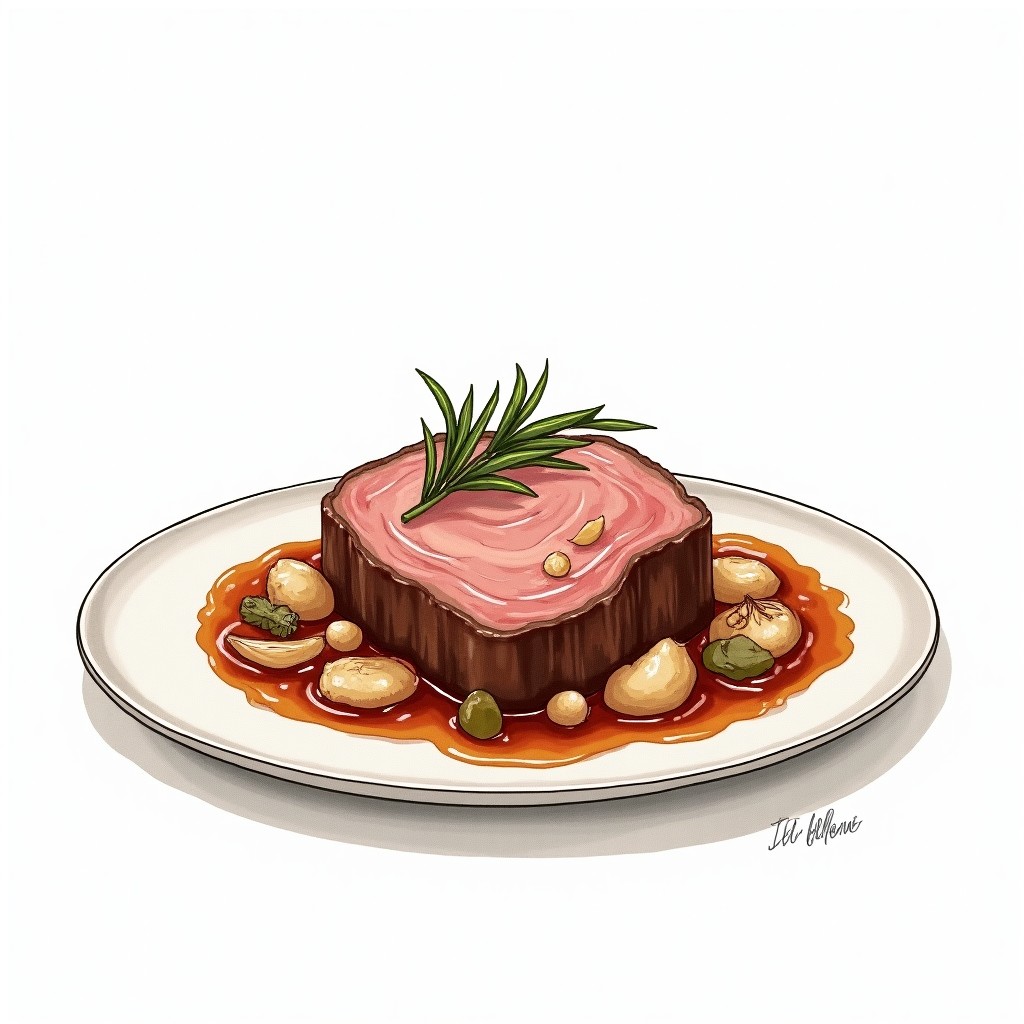
Chuck Roast Instant Pot
Tender Chuck Roast with Rich Instant Pot Gravy
This chuck roast practically falls apart after pressure cooking in its own savory juices, enriched with umami-packed soy and fish sauce. The vegetables cook separately to maintain their texture, while cornstarch transforms the cooking liquid into a silky gravy that ties everything together.
Chuck roast exists in that sweet spot where tough meets tender, where patience rewards you with something extraordinary. This cut starts out dense and chewy, packed with connective tissue that would ruin a quick-cooking method. But give it time under pressure, and those tough fibers break down into silk.
The secret here isn't just the pressure cooking — it's building layers of flavor before the lid goes on. That initial sear creates fond, the browned bits that become the backbone of your gravy. The soy and fish sauce might seem unconventional in what feels like an American pot roast, but they add depth without announcing themselves. They're working behind the scenes, enhancing the beef's natural richness.
What makes this different from traditional pot roast is the technique. Instead of everything cooking together for hours, the vegetables get their own shorter cook time. Your carrots stay carrots instead of becoming mush, and the potatoes hold their shape. Meanwhile, that cooking liquid — already concentrated with flavor from the meat and aromatics — transforms into a proper gravy with just a whisper of cornstarch.
Ingredients
- 3 lbchuck roast, well-marbled
- 4 clovegarlic cloves, minced fine
- 2 small yellow onions, sliced into half-moons
- 1 cupchicken stock, low-sodium preferred
- 1 tbspsoy sauce
- 1 tbspfish sauce
- 1 tbspolive oil
- 1 pinchdried rosemary, crushed between fingers
- 1 pinchdried thyme
- 2 bay leaves
- 2 tbspred wine or balsamic vinegar
- kosher salt and freshly cracked black pepper
- 8 white button mushrooms, sliced thick
- 2 large carrots, cut into 2-inch chunks
- 3 medium Yukon Gold potatoes, quartered
- 1½ tbspcornstarch
- 2 tbspcold water
Instructions
- Set your Instant Pot to Sauté More and let it heat until the display reads HOT — this takes about 8 minutes but ensures proper browning.⏱ 8 min
- Pat the chuck roast completely dry with paper towels, then season one side generously with salt and pepper. Pour the olive oil into the hot pot, swirling to coat the bottom evenly.
- Place the seasoned side of the roast down in the pot — it should sizzle immediately. Season the top side while it browns. Let each side develop a deep brown crust for exactly 10 minutes without moving it.⏱ 20 min
- Transfer the browned roast to a plate and set aside. Drop the sliced onions into the same pot and cook, stirring occasionally, until they soften and pick up some of the browned bits. Season lightly with salt and pepper.
- Stir in the minced garlic and cook for 30 seconds until fragrant. Add the mushrooms and cook for 2 minutes until they start to release moisture, then season with a pinch of salt.⏱ 2 min 30 sec
- Pour in the wine or vinegar and immediately scrape up all the browned bits from the bottom with a wooden spoon — this fond is pure flavor for your gravy.
- Stir in the chicken stock, soy sauce, fish sauce, rosemary, thyme, and bay leaves. Taste the liquid and adjust seasoning — it should be well-seasoned since it will become your gravy base.
- Nestle the chuck roast back into the pot along with any accumulated juices. Lock the lid in place and turn the venting knob to the sealing position.
- Pressure cook on High for 45 minutes, then allow the pressure to release naturally — don't touch the valve. The full natural release takes about 25 minutes and keeps the meat incredibly tender.⏱ 1 hr 10 min
- Carefully remove the roast to a cutting board and tent with foil to rest. Add the quartered potatoes to the cooking liquid, then stack the carrot chunks on top.
- Seal the lid again and pressure cook on High for 4 minutes, then immediately quick-release the pressure. The vegetables should be tender but not mushy.⏱ 4 min
- Whisk the cornstarch with cold water until smooth. Switch to Sauté mode and stir the slurry into the gravy one-third at a time, simmering until it reaches your desired thickness — about 2-3 minutes total.
- Slice the rested roast against the grain into thick slices. Arrange on plates with the vegetables and spoon the rich gravy over everything.
Tips & Tricks
- Don't skip the natural pressure release even though it adds 25 minutes — this is what keeps the meat from seizing up and turning stringy.
- Save time by slicing your onions while the Instant Pot heats to HOT, which takes a full 8 minutes on the Sauté More setting.
- Test the gravy's seasoning after adding the cornstarch slurry, since the starch can dull the flavors slightly.
- If your roast is closer to 2.5 pounds, reduce the pressure cooking time to 38 minutes to prevent overcooking.
Frequently Asked Questions
Can I use a different cut of beef instead of chuck roast?
Chuck roast is ideal because of its marbling and connective tissue that breaks down beautifully. Bottom round or rump roast will work but may be less tender. Avoid lean cuts like eye of round — they'll turn out dry and tough.
What if my gravy isn't thick enough after adding the cornstarch?
Mix another tablespoon of cornstarch with cold water and add it gradually while the pot simmers on Sauté mode. The gravy will continue thickening for a minute or two after you stop stirring.
Can I make this without the fish sauce?
Yes, but replace it with an extra tablespoon of soy sauce plus a teaspoon of Worcestershire sauce. The fish sauce adds umami depth that's hard to replicate, but this substitution comes close.
How do I store and reheat leftovers?
Store the meat, vegetables, and gravy separately in the refrigerator for up to 4 days. Reheat portions in the microwave or gently on the stovetop, adding a splash of broth if the gravy has thickened too much.