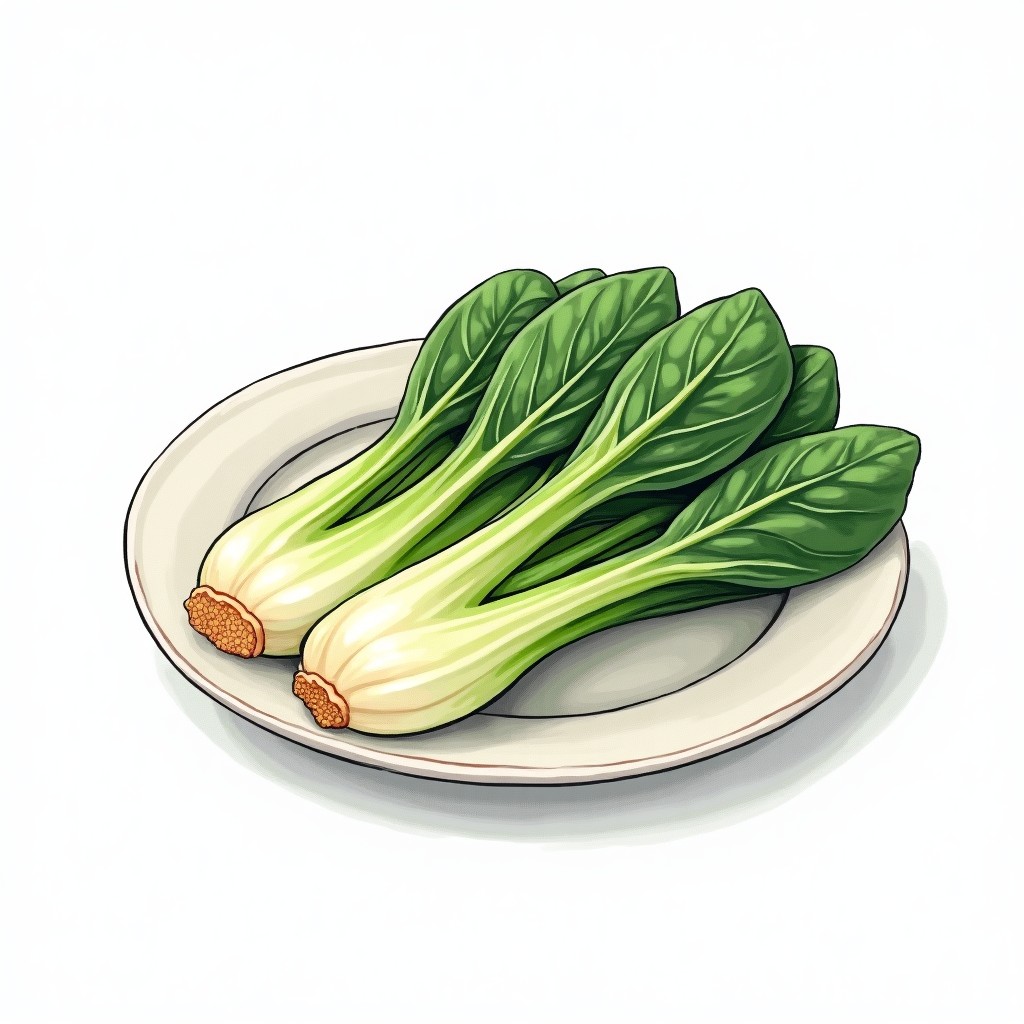
Bok Choy In Ginger Sauce
Ginger-Glazed Bok Choy with Silky Cornstarch Sauce
This classic Chinese technique transforms humble bok choy into something extraordinary. The secret lies in the aromatic ginger oil and that glossy, restaurant-style sauce that clings perfectly to each tender leaf. It's the kind of dish that makes you feel like a real chef.
The glossy, jewel-toned bok choy you see at your favorite Chinese restaurant isn't the result of complicated techniques or mystery ingredients. It comes down to understanding two simple principles: timing and that magical cornstarch slurry that transforms into liquid silk when it hits the hot pan.
This technique is called "oil blanching" in professional kitchens, and it's the secret behind countless Cantonese vegetable dishes. The bok choy gets just enough time to soften while keeping its vibrant color and crisp bite. Meanwhile, the julienned ginger blooms in oil first, releasing those warming aromatics that make this dish so much more than steamed greens.
What I love about this recipe is how it teaches you a fundamental sauce-making skill that you'll use over and over. That cornstarch mixture isn't just thickening the liquid — it's creating a glossy coating that clings to every leaf and carries the ginger-soy flavors into each bite. Master this technique, and you'll never look at vegetables the same way.
Ingredients
- 6 small bok choy heads, trimmed and leaves separated
- 2 tbspneutral vegetable oil (peanut or canola work beautifully)
- ¼ cupfresh ginger, peeled and finely julienned into matchsticks
- ¼ cupwater for steaming
Sauce
- 3 tspcornstarch for thickening
- 1½ tsplight soy sauce (not dark soy)
- 1 tspoyster sauce for depth
- 2 tspChinese cooking wine (Shaoxing preferred)
- 1 tsptoasted sesame oil for finishing
- ¼ cupwater for sauce base
- ¼ tspfine salt
- white pepper, freshly ground if possible
Instructions
- Prepare your bok choy by trimming away the tough base and gently separating each leaf. For larger stems, slice them lengthwise so everything cooks evenly. Give them a thorough rinse in cold water, then shake off the excess—you want them clean but not waterlogged.
- In a small measuring cup, whisk together all the sauce ingredients except the water until the cornstarch completely dissolves—no lumps allowed here. Gradually stir in the water until smooth. This sauce will be your silky finish, so take a moment to get it right.
- Heat your oil and julienned ginger together in a large non-stick pan over medium heat. Listen for that gentle sizzle as the ginger releases its aromatic oils. Sauté for exactly 1 minute until the ginger turns light golden and your kitchen fills with that incredible fragrance.⏱ 1 min
- Add the bok choy to the fragrant ginger oil and toss quickly with tongs or a spatula for 15 seconds. You're coating each leaf with that aromatic oil—this is where the magic begins.⏱ 15 sec
- Crank the heat to medium-high and immediately pour the water over the bok choy. Cover the pan quickly to trap the steam and let it work for 45 seconds. You'll hear that satisfying hiss as the water hits the hot pan.⏱ 45 sec
- Remove the lid and pour in your prepared sauce, tossing everything together for 30 seconds. Watch as the sauce transforms from cloudy to glossy and thickens beautifully. The bok choy should be tender-crisp—still with some bite but no raw crunch.⏱ 30 sec
- Transfer everything to your serving plate, making sure to get every drop of that glossy sauce. The dish should glisten with flavor and look absolutely restaurant-worthy. Serve immediately while the colors are still vibrant.
Tips & Tricks
- Cut larger bok choy stems in half lengthwise so they cook at the same rate as the tender leaves — nobody wants crunchy stems and mushy greens.
- Don't skip the step of cooking ginger in oil first; those 60 seconds create the aromatic base that makes restaurant-style difference.
- Whisk the cornstarch sauce right before using it, as cornstarch settles quickly and can create lumps if it sits too long.
- Keep the heat high once you add the sauce — you want it to thicken and turn glossy within 30 seconds, not slowly simmer.
- This same technique works beautifully with baby spinach, Chinese broccoli, or any tender Asian greens you find at the market.
Frequently Asked Questions
Can I use regular bok choy instead of baby bok choy?
Absolutely. Just slice the thick white stems into 1-inch pieces and separate the leaves. The stems will need an extra 30 seconds of cooking time before you add the sauce.
What can I substitute for Chinese cooking wine?
Dry sherry works perfectly, or you can use mirin for a slightly sweeter flavor. In a pinch, white wine or even water will work, though you'll lose some depth of flavor.
Why does my sauce stay cloudy instead of turning glossy?
Your pan probably isn't hot enough. The cornstarch needs high heat to activate and create that restaurant-style shine. Make sure you're cooking over medium-high heat when you add the sauce.
How do I keep the bok choy from getting soggy?
Work quickly and don't overcook — the whole process from adding bok choy to serving should take less than 2 minutes. The leaves should still have some bite to them when finished.