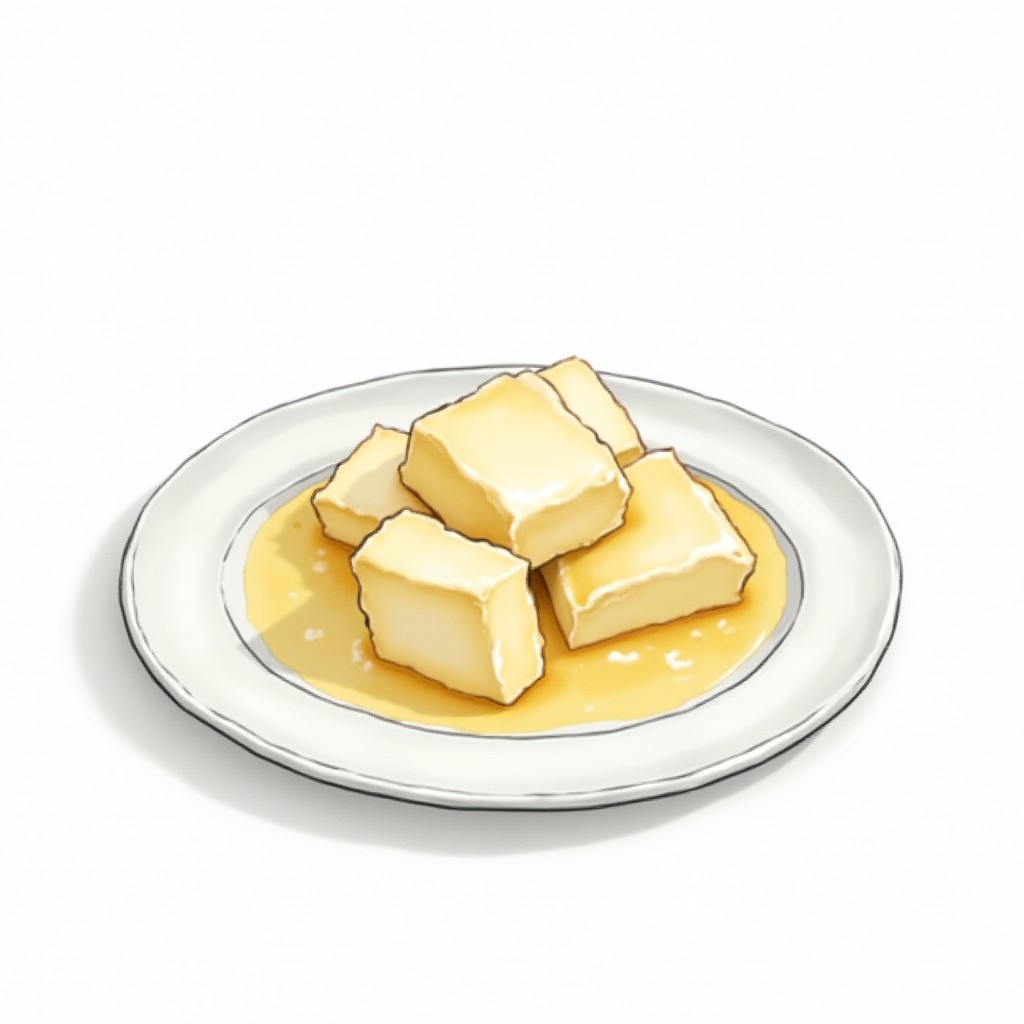
Beurre Blanc
French Butter Sauce (Beurre Blanc)
This legendary French sauce might look simple — just butter whisked into a wine reduction — but it's pure technique and timing. When done right, you get a glossy, velvety sauce that transforms any fish or vegetable dish into restaurant-quality fare. The secret is patience and constant motion.
French chefs guard their sauce techniques like state secrets, but beurre blanc might be the most revealing of them all. Strip away the mystique and you're left with a physics lesson in emulsification — fat suspended in liquid through nothing but heat control and elbow grease. It's the kind of sauce that separates confident cooks from tentative ones, not because it's particularly difficult, but because it demands your full attention for those crucial ten minutes.
The magic happens in that moment when cold butter meets warm reduction. Each piece of butter contains water, and as it melts, that water wants to create an emulsion with the wine base. Too much heat and the proteins seize up, breaking the sauce into a greasy mess. Too little and you'll never achieve that glossy, coating consistency that makes beurre blanc legendary. The constant whisking isn't just busy work — it's creating the mechanical action that keeps everything bound together.
This sauce transforms the simplest piece of fish into something restaurant-worthy, but it's equally stunning spooned over roasted vegetables or stirred into risotto. The beauty lies not just in its versatility, but in the confidence it builds. Master beurre blanc, and you've mastered the fundamentals of French sauce-making.
Ingredients
- ¼ cupdry white wine, such as Sauvignon Blanc or Pinot Grigio
- ¼ cupwhite wine vinegar
- 2 tbspshallot, finely chopped (about 1 medium)
- ⅓ cupheavy cream
- ¼ tspsalt
- ⅛ tspwhite pepper, freshly ground if possible
- 2 sticksunsalted butter, cut into tablespoon pieces and chilled
Instructions
- Combine the wine, vinegar, and shallot in a heavy saucepan over moderate heat and bring to a vigorous boil. Let it bubble away until it's thick and syrupy — you should have about 2-3 tablespoons left, which takes roughly 5-6 minutes. Stir in the cream, salt, and pepper, then boil for exactly 1 minute. Lower the heat to moderately low and begin the butter dance: add a few tablespoons of the cold butter while whisking constantly. Keep adding the remaining pieces one by one, whisking furiously and adding each new piece before the previous one completely disappears. If the sauce gets too hot and starts to break, lift the pan off the heat for a few seconds to cool it down.⏱ 5 min
- Pull the pan off the heat completely and taste for seasoning — adjust with salt and pepper as needed. Pour the sauce through a medium-mesh sieve into a warmed serving vessel, pressing the shallot solids against the mesh to extract their flavor before discarding them. Serve this beauty immediately while it's still glossy and warm — beurre blanc waits for no one.
Tips & Tricks
- Keep your butter pieces uniform and cold — they should come straight from the refrigerator to ensure even melting and proper emulsion formation.
- If the sauce starts to look oily or grainy, immediately pull the pan off the heat and whisk in a tablespoon of cold cream to bring it back together.
- The reduction should be syrupy enough to coat the back of a spoon — if it's too thin, the butter won't emulsify properly.
- Taste the reduction before adding butter; it should be quite acidic since the butter will mellow it significantly.
- Strain the finished sauce through a fine mesh to catch any bits of cooked shallot, but press those solids to extract their flavor first.
Frequently Asked Questions
Can I make beurre blanc ahead of time?
Unfortunately, no — beurre blanc is best served immediately as it will separate when cooled and reheated. You can prepare the wine reduction up to a day ahead and store it covered, then finish with butter when ready to serve.
What should I do if my sauce breaks?
Remove the pan from heat immediately and whisk in a tablespoon of cold heavy cream. If that doesn't work, start over with a fresh tablespoon of reduction in a clean pan and slowly whisk the broken sauce back in.
Can I substitute the white wine with something else?
Stick with dry white wine for the best flavor — the acidity is crucial for proper emulsification. In a pinch, you can use all white wine vinegar, but increase the cream to 1/2 cup to balance the extra acidity.
How do I know when the reduction is ready?
The liquid should coat the back of a spoon and have a syrupy consistency. You'll have reduced about 1/2 cup of liquid down to 2-3 tablespoons, and the shallots will look slightly caramelized around the edges.